CES 2026 drew 148,000 attendees, including nearly 7,000 members of the media, making it the largest CES since the pandemic. Among the 4,100 exhibitors was the Incheon Free Economic Zone Authority (IFEZ), which used the global stage to announce Incheon’s evolution from “Smart City” to “AI City.”
For over 20 years, Incheon has been at the forefront of Korea’s transformation and innovation and is now becoming an “AI City” that integrates AI technologies across the entire urban landscape.
As Mayor Yoo Jeong-bok stated, “CES 2026 is an important stage for presenting Incheon’s vision for its next growth leap—one that has led Korea’s transformation and innovation for over the past two decades—into an AI City. We will continue to do our utmost so that Incheon can establish itself as a leading global AI city.”
Beyond Smart Cities: The AI City Evolution
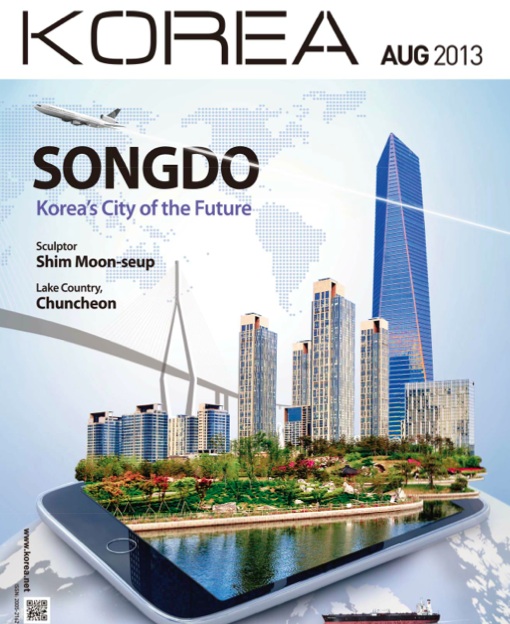
In my 2024 article “Smart Cities: A Tale of Innovation and Collaboration in South Korea,” I examined Songdo’s development within IFEZ, a community of 167,000 residents featuring underground waste tubes, traffic sensor networks, and integrated platforms that create a “15-minute city.”
Two years later, the strategic landscape has shifted. The concept of a “Smart City” has become commoditized. IFEZ’s pivot to an “AI City” signals that the next phase isn’t just about connected infrastructure but about artificial intelligence fundamentally reshaping how cities function.
Where Songdo laid the Smart City foundation with IoT sensors, the AI City vision layers sophisticated AI across those systems, moving from reactive data collection to predictive urban management.
Incheon has been central to Korea’s economic transformation—the international airport has reshaped global connectivity, and the free economic zone has drawn significant international investment.
The transformation from Smart City to AI City isn’t just about deploying technology; it’s about evolving the narrative. Cities that successfully attract international investment don’t just build infrastructure; they craft compelling stories about why global companies should be part of their future.
The Incheon-IFEZ Promotion Booth to showcase innovative South Korean Incheon startups.
Special guest Incheon Mayor Yoo Jeong-bok will share his smart city vision and future strategies, showcasing innovative technologies and urban plans to the world.
The city of Incheon and the Incheon Free Economic Zone Authority (IFEZ) will participate in the 2025 Consumer Electronics Show (CES) in Las Vegas.
Of particular interest and a not to miss event, on Tuesday, January 7, from 10:30 to 11:30 AM, at North Hall #9037, Incheon and IFEZ will host their “Unveiled Incheon” reveal: “Urban Renaissance: Building Tomorrow’s Smart Cities Today,” featuring special guest Mayor Yoo Jeong-bok.
Mayor Yoo will spotlight his vision, highlighting Incheon and IFEZ’s global leadership by presenting its smart city vision and future strategies, showcasing innovative technologies and urban plans to the world.
We are currently scheduling a limited number of media interviews with the visionary Mayor for January 7, 2025. (See media contact below to arrange an interview and RSVP).
“On behalf of the City of Incheon and IFEZ, we invite you to visit us in LVCC North. Booth # 9037 to learn more about our technology partners, our Innovation Award Honorees, and the opportunities we offer within the Incheon Startup and Tech Park ecosystem. I look forward to meeting you at CES 2025, as we enter the Renaissance of the Smart City.” Mayor Yoo Jeong-bok
Products and technology to be introduced and showcased at CES 2025:
Verses- A music-tech startup that develops user-driven music experience services. A 2025 CES Innovation Award Honoree.
Sheco- A maritime and inland water clean-up robot.
PABLO AIR- at the forefront of drone innovation, developing proprietary autonomous swarming technology and swarm control platform.
Motov- Based on real-time urban data collected and Edge AI technology, operates an Alot advertising and data-driven AI business.
ILias AI- a digital sniffer dog drug detection scanner utilizing olfactory AI technology. A 2025 CES Innovation Award Honoree.
PurrSong- dedicated to improving the “lives of cats” through an AI-enabled Internet of Things (IoT) healthcare ecosystem.
ZipShowKorea- A smart content production company that produces innovative content including online exhibition halls, VR, AR, media walls, artificial intelligence (AI) content, ultra-high resolution 8K content, realistic experience zones, and entertainment fields.
Nine Watt- A key player in urban energy savings, its flagship platform, Watti, uses geographic information system data and simulation tools to diagnose the energy efficiency of buildings and factories across cities.
Future Sense- Leveraging blockchain-based data-driven food safety and supply chain management to create an efficient manufacturing and distribution ecosystem.
Deep Fusion AI-Providing 4D image radar applications for the real environment.
Additionally, Twelve companies supported by the City of Incheon have received Innovation Awards.
Don’t hesitate to contact us to learn more about our partner companies and schedule one-on-one meetings.
Incheon has become a global business hub boasting an ideal international business environment. It includes Incheon International Airport, the rapidly growing Incheon Port, world-class foreign universities located in the Songdo Global Campus, and an international business and bio-hub. The Incheon-IFEZ is where everything from bio to logistics, medical care, education, and high-tech industries can be enjoyed.
Globally, foreign direct investment in the tourism sector has been steadily increasing. Yeongjong, located within the Incheon Free Economic Zone(IFEZ), has quickly become the primary destination for tourism and leisure, attracting tens of thousands of visitors and offering numerous investment opportunities.
Over twenty years ago, IFEZ initiated an ambitious plan to attract foreign investment. Districts Songdo, Cheongna, and Yeongjong in Incheon were designated as South Korea’s first free economic Zones (FEZs). A free economic zone attracts foreign investment, capital, and technology by offering tax reductions and deregulation.
More specifically, global FDI in tourism, leisure, recreation, and entertainment has continued to improve, as cited by the World Tourism Organization (UNWTO), which partnered with the fDi Intelligence from the Financial Times.
Today, IFEZ offers an unparalleled strategic location, world-class infrastructure, a favorable business environment, and supportive government policies. In addition to providing expedited access to Incheon International Airport and Sea Port, the surrounding Capital Metropolitan Market boasts a population of 25 million, and over 800 million individuals are accessible regionally within a 2-hour flight radius.
Yeongjong, a part of the IFEZ business triangle, is being developed as a hub for tourism, leisure, recreation, and entertainment, catering to tens of thousands of visitors. Yeongjong and IFEZ host two integrated resort casinos: Paradise City and Inspire Entertainment Resort. A third site, Midan City, is ready for development and open to investment.
Paradise City resort boasts a Forbes Travel Guide 4-star Hotel, shopping mall, spa, convention facilities, and a casino for foreigners.
In addition to its five-star hotel, expansive convention facilities, and casino for foreigners, Inspire Entertainment Resort is newly opening and showcases local and international performance talent in its 15,000-seat area. Plans include Discovery Park, an outdoor entertainment space.
Midan City, former Caesar’s, is a ‘ready to build’ site with approximately 25% of the initial development completed. It offers a unique opportunity to ‘fast-track’ investment in a luxury hotel, spa, conference center, restaurants, and a casino for foreigners.
The adjacent Muui Island Solaire Ocean Resort is perfect for resort hotels, convention facilities, water and theme parks, and meditels, where foreign patients visiting South Korea can enjoy high-quality medical services and amenities. Connected by a bridge from the Incheon International Airport, Muui Island Solaire Ocean Resort will share ocean views, hotels, a convention center, and a water park.
The Muui Island Solaire Ocean Resort medical tourism industry opportunities are of special interest. Specifically, Korea has become a favored destination for foreigners seeking affordable and quality medical services.
Meditel is a compound of ‘medicine’ and ‘hotel’, where Korean medical services and lodging facilities are in one building for foreign patients.
The South Korean government has officially approved designated sites for constructing and managing meditels so that foreign patients visiting South Korea can enjoy both high-quality medical services and tourism.
There is no better location than Muui Island with its tranquil beaches, solitude, and relaxing lifestyle—all within minutes of the airport and dynamic greater Seoul-Incheon metro area.
Future development and investment opportunities also include Yeongjong Dream Island. Infrastructure work is underway for future amenities, including a sports park, golf course, marina, shopping mall, and commercial business district.
IFEZ FDI Benefits and Incentives
Notably, international foreign direct investments (FDI) deals comprised 28% of the global tourism & leisure industry’s M&A activity in Q1 2024 and signal Yeongjong’s growth. For foreign direct investment (FDI), IFEZ offers benefits, including a skilled workforce, tax reduction incentives, and real estate investment immigration programs.
FDI incentives include tax reduction options in the tourism, hotel, and resort sectors. As in all FDI, each opportunity is subject to a case-to-case review. Some can include exemptions from Customs for hotels and resorts importing goods and local taxes based on the investment.
Real estate investment opportunities, too, are an IFEZ benefit for those who invest locally and retain the investment for at least five years. Immigration programs allow investors to freely enter, depart, live, work, and run their businesses in Korea. Their family may receive education and be eligible for Korean medical insurance and its benefits—again, equal to Korean residents.
In conclusion, South Korea, the City of Incheon, the Incheon International Airport, and the Sea Port have significantly enhanced the development of IFEZ’s Yeongjong as a hub for tourism, leisure, recreation, and entertainment. With the global increase in tourism FDI, we can expect investment partners, facilities, and new opportunities to continue attracting tourists, visitors, and local vacationers.
The Incheon Free Economic Zone Authority (IFEZ) recently sent a delegation to the United States to announce the regional “Northeast Asian Global R&D Hub “strategy and hold an Investment Attraction(IR) Briefing for potential international investors.
Led by IFEZ Commissioner Wonsok Yun, who was joined by representatives from five Incheon-based startups—nSAGE, FutureSense, IliasAI, Ninewatt, and IDCITI—the Investment Attraction Delegation participated in various events and meetings at the Korea-U.S. Conference on Science, Technology and Entrepreneurship, now in its 37th edition, held in San Francisco, California, from Aug.21 to 24. Dr. Peter Wonsok Yun
The delegation led a forum called “Establishing a Cross-Border Redub between Korea and the U.S.” during the conference, the most significant bilateral event in science and technology hosted by the Korean-American Scientists and Engineers Association.
Hosting the forum on “Establishing a Cross-Border R&D Hub between Korea and the U.S.,” Commissioner Yoon actively strove to attract investors to establish an IFEZ Global R&D Center. He also hosted the IFEZ Forum, introducing Incheon’s selection as a bio-specialized complex and its R&D Hub strategy.
Commissioner Yun also participated in the “R&D Leadership Forum panel,” meeting up with representatives from the U.S. National Research Foundation and Korean Research Institutions to introduce the Global R&D Hub being established in Incheon and gain insight into the status of joint research.
The Bay Area K-Group, the largest Silicon Valley IT network for Koreans, with over 5,800 members, agreed to work with IFEZ to promote advanced industry exchanges and the entrance of the U.S. market.
Representatives from the Incheon-based startups attended the IR Pitching Competition, three of which made it to the finals and attracted investors’ attention.
IFEZ’s efforts opened the door to U.S. investment and the entrance of Incheon-based firms into the U.S. market.
Before departing for the conference, Commissioner Yun said, “Once Incheon develops into a Global R&D Hub and attracts outstanding scientists and talent, not only will it attract promising corporations from all over the globe, but also create a global entrepreneurial ecosystem, facilitating Incheon’s rise to become a global top 10 city.” Source: Joongang Ilbo [kim.yeonsoo1@joongang.co.kr]
Just us in Part 2 of Korea’s Money Today’s interview with Dr. Peter Wonsok Yun, Commissioner of the Incheon Free Economic Zone Authority, and his Q and A.
I provided the translation and editorial review. Please check it out. Few grasp global developments as well as Dr. Yun.
Dr. Wonsok Yun, Commissioner of Incheon Free Economic Zone Authority, (Photo provided by Incheon Free Economic Zone Authority)
The following is a Money Today Q&A with Commissioner Yun. In Part 2 of the interview, Dr. Yun shared his insights, thoughts, and plans.
Q. Please briefly explain IFEZ
IFEZ was designated “Korea’s first free economic zone” on August 11, 2003. At the time, no one could have imagined reclaiming the desolate West Sea mudflats and turning them into a global city.
Over the past 20 years, IFEZ has successfully transformed ‘Songdo, Yeongjong, and Cheongna’ into international cities with exceptional innovation and lifestyle.
Above all, we are proud of what we have achieved — our original goal of ‘attracting foreign investment’.
Last year, the environment for attracting domestic and foreign investment contracted due to the war between Russia and Ukraine, but we achieved $432 million in FDI, a 10.7% increase compared to 2022.
Large multinational corporations and research institutions were established, fostering a global startup ecosystem where international talents, including overseas Koreans, congregate and collaborate.
The role of IFEZ is crucial for the success of Incheon City’s 8th popularly elected core policies, ‘Global Top 10 Cities (New Hong Kong City)’ and ‘Jemulporn Renaissance’.
It is now time to lay the foundation for long-term, sustainable growth in the future.
Q. What needs to change to lay the foundation for sustainable growth?
So far, IFEZ has adopted the ‘linked development’ approach, which involves constructing profit-making facilities alongside public facilities. The profits generated from the development and land for private apartments and businesses have been channeled for public facilities such as parks and social infrastructure (SOC) for the city.
Significant progress has been achieved in developing infrastructure for smart and international cities through this interconnected method. However, the development is highly residential, which limits its ability to attract domestic and foreign companies for business and job creation.
Now that IFEZ is 20 years old, we aim to develop a new model that integrates linked development and investment attraction.
We will attract strategic industries to fulfill the core function of the free economic zone as a ‘global business hub’ and to advance in name and reality.
We need to provide a driving force for new industries, such as start-ups, and foster the AI industry.
Q. The target for foreign investment attraction this year is set at $600 million. What is the strategy?
This year, we plan to expand our strategy to attract “global IR companies” and bring in more cutting-edge companies.
In addition, we will achieve this year’s target of $600 million by establishing a ‘Day Station Incheon Strategy’ where companies gather in Incheon.
We will take the lead in balancing development within the existing industrial complexes in the original city center of Incheon. To this end, we plan to strengthen our network by collaborating with the Korea Trade-Investment Promotion Agency (KOTRA) and the World Federation of Overseas Korean Traders Associations (World OKTA).
During the first half of this year, we are putting every effort into our high-tech industrial complex strategy in the bio-pharma sector.
We believe that Songdo, which already possesses world-class biopharmaceutical production capabilities, is the perfect match.
We are putting our efforts into attracting a bio-specialized complex to build a ‘Bio-Triangle’ connecting the Songdo-Namdong-Yeongjong region.
As the companies in Songdo possess advanced strategic biotechnologies, as noted by the Ministry of Trade, Industry, and Energy, I believe it is the most suitable region for the government’s industrial development.
Q. Why are you pursuing additional FEZ lands, including the southern end of Ganghwa and Incheon Inner Port?
Twenty years have passed since IFEZ was launched. As we enter maturity, investment demand is increasing, but available land is in short supply.
For a specialized bio hub complex to be constructed within IFEZ, like Songdo, additional land must be made accessible.
Currently, IFEZ’s development rate exceeds 90%. There is a lack of space to attract the four major high-tech industries that Incheon pursues.
In many cases, other countries and their competitive cities have available land and rival clusters. IFEZ must also be able to compete in high-tech industries, future mobility, cultural tourism, green bio, and smart cities. To achieve this, additional FEZ designation is essential.
Q. A red light has been turned on for large-scale projects that have stalled, including the Golden Terra City (formerly Midan City) casino project. How are you going to solve it?
I am aware of the concerns shared by the residents of Incheon. We are focusing our efforts on getting things back to normal.
Last March, the Ministry of Culture, Tourism and Sports did not extend the casino project development period applied for by RFKR, the Korean subsidiary of China’s Furi Group, the operator of the Midan City complex resort.
We will seek to develop alternatives to meet the expectations of residents.
In addition, the ‘Icore City Project’, which involves constructing landmark buildings in Zones 6 and 8 of Songdo and has been in consideration for 17 years since announced in 2006, has seen repeated delays. These delays have been due to financial crises, changes in local governments, and the ups and downs of the global economy.
We are currently discussing options and plans to resolve, for example, the height restriction issue with the relevant ministries.
Q. Inaugurated as the 8th Commissioner of IFEZ last February, what activities have you undertaken since taking office, and what kind of organization are you aiming to create in the future?
First, for over a month since taking office, I have spent my time reviewing major work in progress, and visiting the central Incheon City ministries, business sites, and related organizations. I have dedicated considerable time to communicating with shareholders to understand the current business issues better.
Internally, we are promoting the establishment of the ‘IFEZ Vision and Strategy 2040 Project’ that will drive future leaps forward.
We will, too, strive to create a productive and happy IFEZ organizational culture.
In the future, the goal is to make IFEZ a world-class global city that surpasses Dubai and Hong Kong. To this end, we will do our best to attract corporate investment, for example, by conducting ‘visiting investment IR’.
In addition, we will increase the city’s competitiveness so that IFEZ becomes a top free economic zone, creates good jobs, revitalizes the local economy, and serves as a model for a new growth engine for our country.
A Brief Bio, Dr. Wonsok Yun
Born in Chungcheongnam-do in 1960.
Graduated from Sungkyunkwan University, English Language and Literature, a Master’s degree from Seoul National University Graduate School, and a Doctor of Business Administration, from Sungkyunkwan University Graduate School.
Director of Economic and Trade Cooperation Division, Korea Trade-Investment Promotion Agency (KOTRA)
CEO, International Business, Hangul and Computer Group
Chairman of Global Industrial Competitiveness Forum
This article was originally published in the Korean language in the June issue of Leader’s Money Today, a legislative affairs magazine. Sang-gu Yoon, head of Incheon headquarters, Reporter Se-mi Hong.
I am delighted to share my latest work, which explores global business trends and is featured as a Special Edition in the Incheon Free Economic Zone (IFEZ) Journal.
Along with my Special Edition article, I provided both the translation of the Journal into English and the editorial review.
It was an honor to be asked to share my insights, cultural understanding, and experience with Korea’s leading Free Economic Zone and the City of Incheon.
I’ve been asked how I support businesses… the short answer is I bring solutions to Korean global business, and global firms working with Korea.
I also seek exciting opportunities and challenges. If you encounter a deadlock, stalled work, or a potential issue that needs resolution, let’s discuss it.
“Much like the Salt Lake campus, the Incheon campus is located right in the heart of a bustling city.”
Photo IFEZ
Nice mention of Songdo in The Daily Utah Chronicle.
Songdo has many large businesses and it is very convenient to students, holding the popular term “Smart City” for being efficient in technology use. Business consultant Don Southerton wrote “Songdo’s development aimed to create an integrated 15-minute city, where people can access 90% of their daily activities by bike or public transportation in fifteen minutes or less.
As part of the Incheon Global Campus, Utah, is joined by SUNY, George Mason, GHENT and Stanford. https://www.igc.or.kr
The article goes on to share… In addition to the University of Utah’s main Salt Lake City campus, there is a campus located in Incheon, South Korea. The U’s Asia Campus is conveniently located in Songdo, the business district. This provides students with not only a comprehensive learning experience but is also great for future career opportunities and internships.
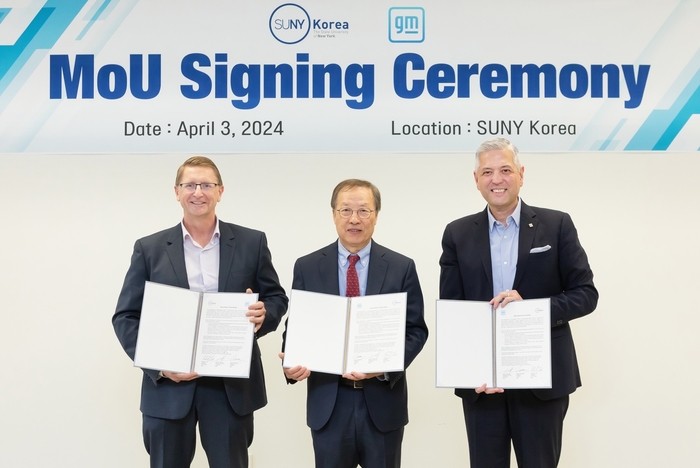
New York State University President Arthur Lee, GM Korea President Hector Vizarreal and GM R&D Corporation President Brian McMurray (Photo IFEZ)
The Incheon Free Economic Zone Authority Incheon Free Economic Zone(IFEZ) under Commissioner Dr. Peter Wonsok Yun has announced New York State University and General Motors (GM), both with operations within the Incheon Global Campus, have signed a business agreement to foster future talent
I’ve noted in previous posts how IFEZ specifically Songdo is home to a community of foreign and domestic academic institutions, companies, and NGOs.
As noted in Maeil Business Newspaper Co., Ltd. the NY State Univerity and GM signed the MOU on April 3, 2024. GM operates an R&D center within IFEZ.
Attending the signing ceremony were Arthur Lee, president of New York State University, Hector Vizarreal, president of GM Korea, and Brian McMurray, president of GM R&D.
On this day, the two sides agreed to join forces to provide various educational programs for the growth of students at New York State University in Korea, including mentoring, seminars, and internships, to plan and promote job training and joint research and development (R&D) for GM employees, to visit both institutions and to contribute to the local community.
“We are happy that our students, who have strengths in engineering and management, will have the opportunity to strengthen the capabilities needed in global companies and grow into future talents,” President Lee said. “We will contribute to student growth and community development by promoting various programs with GM.”
President Vizarreal said, “STEM (Science, Technology, Engineering, Mathematics) education is an indispensable keyword in GM that leads future mobility,” adding, “I am happy to have an opportunity to cooperate with New York State University in Korea, which has strengths.” He said, “We will discover more innovative and creative programs and support fostering talents who will lead the rapidly changing future industry.”
“We are happy to have various collaborations with potential students and excellent faculty at New York State University in Korea through this partnership,” said McMurray.
“The high student recruitment rate (of IGC resident universities) means that IGC meets the purpose of creating new growth engines and creating a global education hub,” said Yoon Won-seok, head of the Incheon Economic Office.
New York State University Korea, which opened in 2012, is the first U.S. university in Korea with undergraduate and master’s, and doctoral courses. It operates an excellent department at Stony Brook University, which has the best science and engineering education programs in North America, and Fashion Technology University (FIT), the world’s top fashion school. All classes are the same as the faculty at New York State University in Korea through this partnership,” said McMurray.
Currently, FDIs in many markets are experiencing a global decline in funding. So, what are the best approaches markets should take for FDI 2024?
Foreign direct investment has become a cornerstone for governments and corporations looking to stimulate and sustain business growth. Foreign direct investment plays an important role on a macroeconomic and microeconomic level. We define foreign direct investment (FDI) as investment made by a company in one country into another country’s business or assets. FDI is a crucial aspect of international commerce, but it is also an evolving ecosystem that continues to change and develop over time.
Some key benefits of foreign direct investment include:
Economic Growth: Countries receiving foreign direct investment often experience higher economic growth by opening up to new markets, as seen in many emerging econom
Job Creation: Most foreign direct investment is designed to create new businesses in the host country, which usually translates to job creation and higher wages.
Technology: Foreign direct investment often introduces innovative technologies and creates hubs for technical expertise.
Stepping back between 2000 and 2008, the world saw an early growth phase in FDI. This was the peak time for global investment in FDI.
An Asia-Pacific (APAC) standout was South Korea’s Songdo International Business District (Songdo IBD). The project was a Joint Venture project I was engaged as a consultant and have continued to follow. Like other FDI of the period in the region, the 1997 Financial Crisis brought to the forefront the need for the APAC nations impacted to broaden their economies beyond domestic export-driven businesses
Economists recommended attracting foreign direct investments as a buffer against the potential impact of recessions and fiscal crises.
The Songdo vision in the early 2000s was to build an international business-friendly hub on the West coast of South Korea. The community with Western amenities was built on reclaimed land and covered roughly 1500 Acres complete with a Central Park, an international school, and a Jack Nichols-designed golf course–all within a short distance of the Incheon shipping port and international airport.
Over the years, Songdo IBD, now Songdo International City, has broadened beyond FDI to include residential, domestic companies, and NGOs. As part of the Incheon Free Economic Zone (IFEZ) which was created in 2003 and designated as Korea’s first free economic zone, today Songdo is one of three districts—along with Cheongna, and the airport’s Yeongjong International City.
Currently, FDIs in many markets are experiencing a global decline in funding. So, what are the best approaches markets should take for FDI 2024?
Over the years, the approach to international foreign direct investment (FDI) has evolved from a model solely focused on incentivizing foreign businesses to a more collaborative, synergistic, and dynamic ecosystem. This is observed in countries such as South Korea, Singapore, Vietnam, and Indonesia, as well as Ireland, the Netherlands, Latin America, and the Caribbean.
And, as noted by the World Bank, an exception to the downturn can be found in Greenfields–projects that require developing a new product or service from the ground up. Data shows this is the top area of FDI growth.
In turn, APAC markets like South Korea, Vietnam, and Singapore seek to position themselves as global hubs. Specifically for future industries such as bio-healthcare, smart manufacturing, high-tech finance and future robots, information and communication (IT), and artificial intelligence (AI) while making great strides in distribution, logistics, tourism, and MICE.
One takeaway does stand out—FDI is an evolving ecosystem that continues to change and develop over time.
Over the past nearly 20 years, I have been engaged in Smart Cities. This work has involved various Smart City projects. The first was the Songdo International Business District in Incheon, South Korea, and more recently—cutting-edge Smart City Platforms.
The concept of “Smart City” is an emerging technology that many local governments see as the future; however, few municipalities have a solid roadmap.
The term “Smart City” can be defined differently. Some envision a green and sustainable community that offers a life-work balance and implements cutting-edge technologies to achieve these benefits.
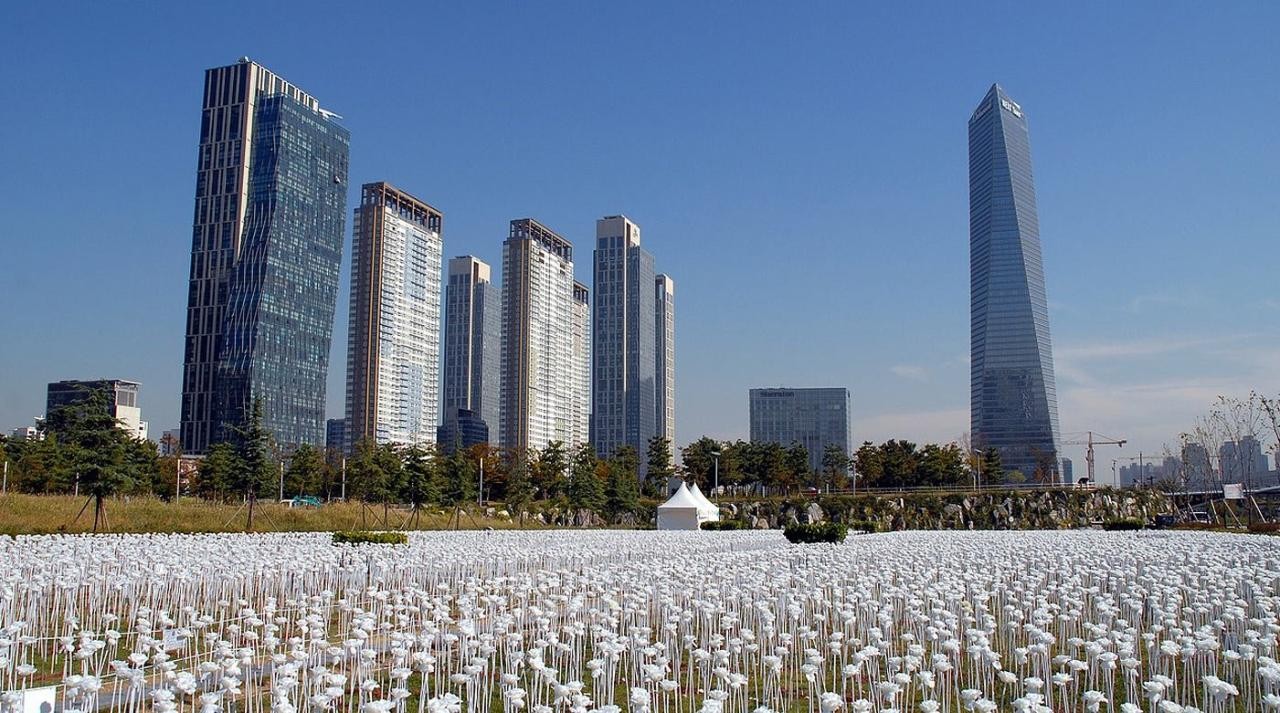
For example, Songdo, on the West coast of South Korea was built on reclaimed land and covers roughly 1500 Acres. Today, Songdo is a community of 167,000 residents located within one of three Free Economic Zones (IFEZ) in Incheon, South Korea. The project has been approximately 86% completed. Aside from residential areas, the location is also home to a Global Campus, Pharma Hub, Startup Center, and international organizations such as the Green Climate Fund.
Songdo’s development aimed to create an integrated 15-minute city, where people can access 90% of their daily activities by bike or public transportation in fifteen minutes or less.
In Songdo, traffic sensor data is utilized to regulate signal timing on the technical front, while household waste is directly transported from homes to waste processing centers through underground tubes.
Additionally, various apps assist residents in managing their daily lives providing them with information on bus schedules or checking on parking availability in the area.
That said, since these innovative systems were first offered, many new smartphone apps are now available across Korea and provide these and other digital services.
Today, there is a continuing effort to foster the development of Songdo as an urban district under the Incheon Free Economic Zone (IFEZ).
Dr. Won Sok Yun, who has been named the new Commissioner of the IFEZ) notes, “Over the next three years, I will aim to attract foreign and domestic investment in pharma and healthcare, tourism and leisure, and high-tech industries to create a ‘world-class city’.”
Smart City Platform
Recently, we are seeing the adoption of Smart City Platforms. These provide an integrated Geographic Information Systems (GIS) and Information and Communication Technology (ICT) platform. Plus, they offer municipalities some innovative urban solutions.
With the help of the Internet of Things (IoT) and AI, cities can enhance their emergency and fire response, traffic management, sanitation services, and facility maintenance. I’d add that it’s a tool for urban development and revitalization, and in some cases can enhance a city’s security.
Seoul, South Korea’s Smart City Platform is an example of successful integration. The system was developed between 2017 and 2019 to provide various services, including sophisticated drone defense monitoring.
The platform has been highlighted at recent Consumer Electronics Shows (CES) and gained global attention when it was modified during the COVID-19 pandemic to track real-time virus outbreaks.
In January 2024, neighboring Incheon’s Mayor Yoo Jeong-bok was quoted, “Building a smart city is a global challenge that all cities worldwide should aspire…. in collaboration with leading global companies and cities that possess state-of-the-art technology related to smart city construction.”
I agree that developing “Smart Cities” will require collaboration between private tech companies and local government. The mayor envisions building “eco-friendly smart cities centered around people’s needs.” This will address concerns about the ambiguous nature of the “Smart City” identity, which may mean different things to different groups.
The bottom line is that in discussions centered on “Smart Cities,” I suggest there is no one exact definition, however, the goal should be improved quality of public services and citizen welfare.
Incheon
Incheon is a city located on the northwest coast of South Korea and is home to a population of about 3 million people. Its suburbs are situated on the outskirts of Seoul.
Moreover, Incheon is home to South Korea’s primary international airport, the Incheon International Airport, serving as a gateway to northeast Asia.
IFEZ
In 2003, the Incheon Free Economic Zone (IFEZ) was designated as Korea’s first free economic zone. Within the Zone are three districts– Songdo, Cheongna, and Yeongjong International City.
Over the past 20 years, IFEZ has grown significantly and developed into a global city currently home to more than 400,000 residents, 3,300 businesses, 14 international organizations, and renowned foreign universities.
Don Southerton takes a look at smart city development in South Korea




IFEZ: An Emerging Hub of Tourism, Leisure, Recreation, and Entertainment
Globally, foreign direct investment in the tourism sector has been steadily increasing. Yeongjong, located within the Incheon Free Economic Zone (IFEZ), has quickly become the primary destination for tourism and leisure, attracting tens of thousands of visitors and offering numerous investment opportunities.
By Don Southerton
Over twenty years ago, IFEZ initiated an ambitious plan to attract foreign investment. Districts Songdo, Cheongna, and Yeongjong in Incheon were designated as South Korea’s first free economic Zones (FEZs). A free economic zone attracts foreign investment, capital, and technology by offering tax reductions and deregulation.
More specifically, global FDI in tourism, leisure, recreation, and entertainment has continued to improve, as cited by the World Tourism Organization (UNWTO), which partnered with the fDi Intelligence from the Financial Times.
Today, IFEZ offers an unparalleled strategic location, world-class infrastructure, a favorable business environment, and supportive government policies. In addition to providing expedited access to Incheon International Airport and Sea Port, the surrounding Capital Metropolitan Market boasts a population of 25 million, and over 800 million individuals are accessible regionally within a 2-hour flight radius.
Yeongjong, a part of the IFEZ business triangle, is being developed as a hub for tourism, leisure, recreation, and entertainment, catering to tens of thousands of visitors. Yeongjong and IFEZ host two integrated resort casinos: Paradise City and Inspire Entertainment Resort. A third site, Midan City, is ready for development and open to investment.
Paradise City resort boasts a Forbes Travel Guide 4-star Hotel, shopping mall, spa, convention facilities, and a casino for foreigners.
In addition to its five-star hotel, expansive convention facilities, and casino for foreigners, Inspire Entertainment Resort is newly opening and showcases local and international performance talent in its 15,000-seat area. Plans include Discovery Park, an outdoor entertainment space.
Midan City, former Caesar’s, is a ‘ready to build’ site with approximately 25% of the initial development completed. It offers a unique opportunity to ‘fast-track’ investment in a luxury hotel, spa, conference center, restaurants, and a casino for foreigners.
The adjacent Muui Island Solaire Ocean Resort is perfect for resort hotels, convention facilities, water and theme parks, and meditels, where foreign patients visiting South Korea can enjoy high-quality medical services and amenities. Connected by a bridge from the Incheon International Airport, Muui Island Solaire Ocean Resort will share ocean views, hotels, a convention center, and a water park.
The Muui Island Solaire Ocean Resort medical tourism industry opportunities are of special interest. Specifically, Korea has become a favored destination for foreigners seeking affordable and quality medical services.
The South Korean government has officially approved designated sites for constructing and managing meditels so that foreign patients visiting South Korea can enjoy both high-quality medical services and tourism.
There is no better location than Muui Island with its tranquil beaches, solitude, and relaxing lifestyle—all within minutes of the airport and dynamic greater Seoul-Incheon metro area.
Future development and investment opportunities also include Yeongjong Dream Island. Infrastructure work is underway for future amenities, including a sports park, golf course, marina, shopping mall, and commercial business district.
IFEZ FDI Benefits and Incentives
Notably, international foreign direct investments (FDI) deals comprised 28% of the global tourism & leisure industry’s M&A activity in Q1 2024 and signal Yeongjong’s growth. For foreign direct investment (FDI), IFEZ offers benefits, including a skilled workforce, tax reduction incentives, and real estate investment immigration programs.
FDI incentives include tax reduction options in the tourism, hotel, and resort sectors. As in all FDI, each opportunity is subject to a case-to-case review. Some can include exemptions from Customs for hotels and resorts importing goods and local taxes based on the investment.
Real estate investment opportunities, too, are an IFEZ benefit for those who invest locally and retain the investment for at least five years. Immigration programs allow investors to freely enter, depart, live, work, and run their businesses in Korea. Their family may receive education and be eligible for Korean medical insurance and its benefits—again, equal to Korean residents.
In conclusion, South Korea, the City of Incheon, the Incheon International Airport, and the Sea Port have significantly enhanced the development of IFEZ’s Yeongjong as a hub for tourism, leisure, recreation, and entertainment. With the global increase in tourism FDI, we can expect investment partners, facilities, and new opportunities to continue attracting tourists, visitors, and local vacationers.
Source: https://www.ifez.go.kr/journaleng/eng/view.do?jrnl_pst_sn=346
For more information, contact: Dsoutherton@bridgingculture.com