
In this week’s Everything Korea my thoughts again turn to discussing why some Korean businesses do well outside Korea, while others struggle.
A caveat is tied to last week’s episode where although Korea entrepreneurs have and continue to launch some amazing new startup concepts—few ever gain the stellar funding and success achieved by similar startups the US in the past or now with concepts like Periscope, Meerkat or my favorite Super.me.
Frankly what works well in Korea may not work well outside Korea and with regard to the Startup Model even work within Korea. Same thing goes for global brands, what works well in each respective country or region needs some if not substantial localization—localizations a catch phrase that everyone agrees to but few truly embrace.
In particular, I see with Korea brands looking outside Korea to often the same missteps re-occurring. In my recent case study “A Global Approach: For Korea Management Teams” I address many of the challenges. See the link below for a copy of the study.
So what are some steps in my opinion for 1) Korean brands already having a global footprint, or 2) brands that wish to expand outside Korea, or 3) domestic Korea startups, all need to take?
I’ll talk more on this in the next episode, but for a first step–embrace and immerse in the local culture, market norms and success model.
What is a poor idea is for an overseas team modeling practices after the Korea operations. This I know can be difficult–most Korean teams dispatched are most familiar with the Korean model, receive limited support to transition, or are subjected to pressure from their peers and seniors to limit the embracing of local norms over the mother company’s. The later situation a real concern.
Again in the next episode we’ll drill deeper to the core causes of the disconnects.
Oh one more thing…
Those struggling with some of the challenges I’ve mentioned, or have issues within your organization that need to be addressed….I have blocked out my availability to chat and discuss…. Just go tohttp://www.meetme.so/southerton
Until next time, all the best.
Case Study http://unbouncepages.com/case-study-fb/
And a very cool App, please join and follow me https://super.me
#Koreanculture #bridgingculture #koreanbusiness #globalstartups#Koreanstartups #koreanbrands #globalbrands #localize #localization#globalfootprint
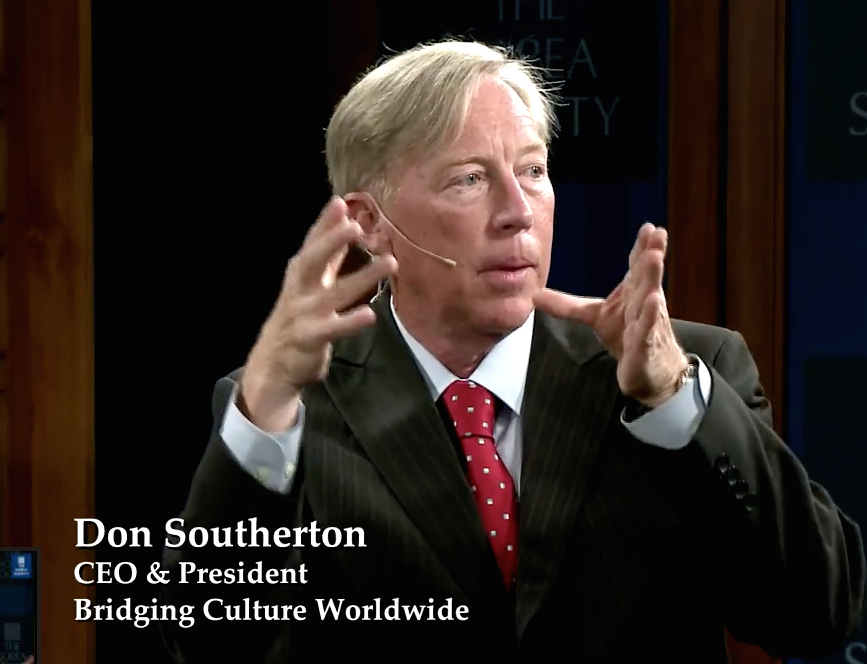



Everything Korea: May 11 Episode, Startup Culture
Summary and Links:
Just back from NYC, so I wanted to share the link to The Korea Society presentation. Nikita Desai and the team did a wonderful job hosting and then professionally producing and uploading the event. You’ll want to set aside some time to watch the recorded session. I have included the YouTube link in week’s copy.
The topic of Korean startups seemed to come up lots last week. We touched upon it in The Korea Society interview, but it was a subject of discussion in several of my high level meetings while in the City.
I feel it is a “talking point” that I will be elaborating more on in the next few weeks, but frankly Entrepreneurship and the roots of Korean style Entrepreneurship has long been a subject of my study, writing and work.
In fact, my first book was titled, The Filleys: 350 Years of American Entrepreneurial Spirit
A second book Intrepid Americans: Bold Koreans—Early Korean Trade, Concessions, and Entrepreneurship
As well as Chemulpo to Songdo IBD: Korea’s International Gateway, and Hyundai Way: Hyundai Speed all approach Entrepreneurship from different perspectives, historically and culturally.
So today, just as an introduction to the topic of Korean startups, I see the major challenge with Korean startup is culture. Let me explain, what has evolved in America regarding startups is they tend to hub in cities like Boulder, Colorado, San Francisco, Austin, TX, and NYC, although more and more scenes are emerging like here in Golden, CO…
Within these communities I have witnessed an amazing synergy not only in day-to-day interactions and dialogue, but also in resources. Actually spending an hour and listening to the chats and even pitches for funding in edgy Caffe Centro on a South Park Street in San Francisco (the couple of blocks once referred as Ground Zero of the dot.com, where concepts like Twitter were launched and scores of tech companies and startups now call home ) one quickly sees why locating in one of these scenes is key ….
Noting this, where the gap between US and Korea occurs is primarily in mindset. Today the entrepreneurs, angel investors and VC who launched Facebook, Twitter, Instagram, Linkedin and Shopify continue to look for, invest and provide mentorship and guidance to what they hope will be the next success story…. In most cases they are investing resources in multiple ventures….
This said they know and accept that failure is part of the process…. As Biz Stone (Twitter, Square, Xanga, Medium…and a bunch more) said at SXSW… “the failure of one venture, Jelly, led to success at a venture, Super.”
So getting back to Korea the real challenge is not in lack of ideas, innovation, and talent, but in allowing and fostering a culture for an acceptance of failure. And this is where I will take up in the next episode of Everything Korea and share some an exciting developments, which may be the very answer…so stay tuned.
Until next time….
Link to The Korea Society
https://youtu.be/
Link to Don’s Books
http://www.amazon.com/gp/
For some fun with your iPhone
https://super.me/
Questions? Go to questions@koreabcw.com
Korea Perspective