New book shows how Korea’s industrial groups and technology companies build, govern and secure connected systems across ten sectors
GOLDEN, CO. Bridging Culture Worldwide founder Don Southerton has announced Connected: How Cars, Factories, Chips, Robotics, Smart Manufacturing, Ships, AI, and Biopharma Run on the Same Architecture, is to be released October 15, 2026. The Kindle edition is available for pre-order now on Amazon, with the paperback following on release day.
Connected cars, smart factories, semiconductor fabs, robots, digital twins, battery plants, shipyards, AI, smart cities and biopharma clusters look like different industries. Southerton shows that underneath, they run on the same architecture: sensors, controllers, a network, a gateway to the cloud, and software that updates.
Drawing on more than 30 years of work with Korea’s leading industrial groups and firsthand visits to plants, suppliers and innovation hubs, the book follows Hyundai Motor Group, Samsung and other global players from the vehicle, with Pleos and Gleo AI, to the factory floor, the shipyard and the biopharma cluster in Songdo.
Three threads run through every chapter: the same architecture at every scale; regulators certifying the process, not just the product, from UN R155 and R156 in vehicles to ISO 10218 in robotics and IACS E26 and E27 in shipbuilding; and ownership as the advantage, with groups that own more of the stack integrating faster and governing more easily.
“I have watched the auto industry move from carburetors to over-the-air updates. What struck me writing Connected is that the same architecture now runs through every sector Korea competes in. The technology is never the hard part. Governing it is,” said Southerton.
Connected is written for executives, engineers, compliance leaders and investors who need to see the whole system. It follows Hyundai Way: Transformation (2026) and adds to more than a dozen books by Southerton on Korean business, US-Korea history and historical fiction.
Connected releases October 15, 2026. Kindle pre-order ($9.99) is open now on Amazon at
amazon.com/dp/B0H7VRNCRY
The paperback ($24.95) will be available October 15.
A quick personal note. My new book, Connected, is out October 15.
Cars, factories, chips, robotics, ships, AI and biopharma look like different industries. Underneath, they run on the same architecture: sensors, a network, the cloud, and software that updates. Connected follows that architecture across ten sectors and shows how Korea’s industrial groups and technology companies build and govern it, from Hyundai’s in-house software to Samsung and the biopharma cluster in Songdo.
Kindle pre-order is open now: amazon.com/dp/B0H7VRNCRY The paperback arrives on October release day.
We also have a limited number of early PDF drafts. If you would like one, just reply to this email. If it is useful to you or your team, I would be glad to hear what you think.
Chuseok, one of the most important Korean traditional holidays.
According to the Lunar calendar, the festivities begin on the 15th day of the 8th month of the full moon harvest.
Using the Gregorian calendar, Chuseok 2026 in South Korea KST, Chuseok falls on Friday, September 25, with the official public holiday extending from Thursday, September 24 through Saturday, September 26. This year, many residents will treat it as a four-day break through Sunday, September 27.
Like many agrarian cultures, Koreans once followed the lunar calendar; however, recently, they have shifted to the solar calendar in line with international practice.
While public holidays are based on the solar calendar, a few days are celebrated based on the lunar calendar.
In mass, and I mean a substantial part of the population, travels. For many, this can be back to their home villages. Over the holiday, they perform ancestral rituals at relatives’ graves and share time with their family over traditional foods.
Others opt to travel, or a popular trend has been staycations in luxury hotels.
For our Korean colleagues (in Korea), you can wish them a “Happy Chuseok” by Text, Message or email. Most will go offline for the Holiday
For international teams (abroad) Anytime from Friday September 25 is fine.
Currently drafting: Connected, a book tracing technology as it moves from the vehicle to the factory floor and beyond. Ten chapters so far: connected vehicles, smart manufacturing, semiconductors, robotics, digital twins, energy and storage, shipbuilding, AI, smart cities, and biotech and biopharma, framed with personal observations from two decades in the industry.
Don Southerton, CEO and president of Bridging Culture Worldwide
The Consulting Practice
Bridging Culture Worldwide LLC advises on Korea-US business: Western brands entering the Korean market, Korean brands entering the US, and the corporate, cultural, and ownership dynamics that shape how those moves actually work. Over twenty years across automotive, technology, food and beverage, and other sectors.
Immigration raid at the Hyundai-LG Energy Solution battery plant in Ellabell, Georgia,
One Year Later, Visa Gap
New reporting marking the first anniversary of the September 2025 immigration raid at the Hyundai-LG Energy Solution battery plant in Ellabell, Georgia, finds the underlying visa problem unresolved. The raid detained 475 workers, mostly South Korean nationals, in what was described as the largest single-site enforcement action in Homeland Security Investigations’ history. Korean nationals were released within eight days under a negotiated deal and returned home.
The episode remains a live risk factor as Seoul and Korean chaebols scale up the roughly $350 billion US investment pledge, since large buildouts depend on short-term technical labor that current visa categories do not clearly cover.
Korea Daily’s anniversary retrospective drew on immigration lawyers, former diplomats, business professors, and consultants, including Don Southerton, to assess what changed and what did not. Southerton’s read: the core failure was a local management gap. The Ellabell facility lacked seasoned, on-site personnel with authority to oversee operations and negotiate directly with authorities as the raid unfolded. His view is that a stronger local leadership presence, capable of managing stakeholder relations in a crisis, would likely have changed how the incident played out. He frames it as a broader structural gap for Korean companies building out US operations, not a one-off failure specific to LG.
Caveat: We saw a different pattern at the nearby Hyundai plant, where both Korean and Western leadership were in place and actively managing risk, and expat staff visas were in compliance. No comparable incident occurred there. That supports Southerton’s point: local leadership presence and visa compliance discipline, not the visa categories alone, appear to be the deciding factor.
Takeaway: expect continued scrutiny of how Korean chaebols staff and govern US mega projects, and continued demand for advisory support on visa strategy, local leadership builds out, and crisis coordination as investment pledges convert into construction.
Connected Series, Part 1 of 6 | Connected Vehicles
Headline: The car is where this architecture was proven. Everything that follows this week, the plant, the fab, the robot, the battery, is the same pattern moved to a different asset.
This week we are sharing Connected: A Case Study in Six Sections
1. Connected Vehicles (today)
2. Smart Manufacturing and Logistics
3. Semiconductors
4. Robotics
5. Digital Twins
6. Energy and Storage
The Setup
A connected car is any vehicle with a network link to outside systems: the OEM cloud, mobile apps, other vehicles, and road infrastructure. Every one of those connection points is also an attack surface. The threats look like any networked IT system. The consequences are physical.
The Architecture
Five parts carry the load. The Telematics Control Unit is the vehicle’s cellular modem and gateway out. The in-vehicle network, CAN bus plus automotive Ethernet, lets the control units talk to each other. The over-the-air update system pushes software and firmware remotely. The backend cloud handles data, diagnostics, and app connectivity. The Software Update Management System governs all of it.
Risk sits in four places: remote exploitation through the TCU, infotainment, or app APIs; vulnerable components from Tier 1 and Tier 2 suppliers; hijacked OTA updates pushed to a fleet; and exposure of location, driving behavior, and biometric data.
The Compliance Frame: R155 and R156
R155 requires a certified, organization-wide Cybersecurity Management System covering design, production, and in-service monitoring, plus risk assessment, incident response, and supplier verification.
R156 governs how updates are planned, deployed, and verified, with RXSWIN traceability and safe rollback that does not compromise safety-critical systems if an update is interrupted. Both are now a precondition for type approval in major markets.
Note what these regulations actually regulate. They sit on the process, not on the box. That is the single most useful thing to carry into the rest of the week.
Case: Hyundai Motor Group, Owning the Stack
The Group sells into the EU and Korea, both R155 and R156 markets, while converging on one in-house software brand, one consolidated telematics unit, and in-house certification.
Pleos launched as the mobility software brand at the Pleos 25 conference in Seoul in March 2025. The first production deliverable, Pleos Connect, shipped in May 2026 on the new Grandeur in Korea, with the IONIQ 3 in Europe next and a target of roughly 20 million Hyundai, Kia, and Genesis vehicles by 2030. Mobis introduced a 5G antenna-integrated Multi-Function Telematics Control Unit at CES 2026.
AutoEver holds a Level 3 cybersecurity capability certification and earned ASIL-D functional safety certification for its mobilgene platform in February 2025. AllDayEnergy launched in July 2026 as the global V2X brand.
Three design choices raise exposure: continuous OTA feature delivery, which puts R156 discipline on the product roadmap rather than only on recalls; an LLM-based agent that interprets driver intent instead of executing fixed commands; and an open platform giving third-party developers access to automotive endpoints. V2X adds grid interconnection as a new risk category.
Supplier cybersecurity verification is the hardest R155 obligation, because it depends on parties you do not control. Hyundai owns AutoEver, Pleos, and Mobis, so it certifies in house. The advantage is ownership, not technology.
Volvo
Volvo built its connectivity case around safety rather than features. More than one million Volvo models had active OTA capability as of August 2026, and through the European Data for Road Safety ecosystem the alerts reach vehicles Volvo did not build.
Four warnings arrived in 2026 software: Large Animal Alert, Vulnerable Road User Alert, Roadwork Alert, and Accident Ahead Alert.
Sharing safety data outside the brand deliberately widens the R155 boundary.
BCW Take
Two mo, and neither is really a technology strategy. Hyundai reduces exposure by owning the stack. Volvo accepts a wider boundary in exchange for network effect, because a hazard warning is worth more when it reaches cars outside your fleet. Toyota runs software through Woven, Volkswagen through CARIAD. Most other OEMs get neither position and will manage dozens of Tier 1 relationships under an obligation that reaches into every one of them.
Takeaways
The connected vehicle is a networked system with physical safety consequences. Every connection point is an attack surface.
R155 and R156 regulate the process, not the product. That pattern repeats every day this week.
Vertical integration is a compliance strategy before it is a technology strategy.
Continuous OTA delivery turns compliance from a one-time event into a permanent operating discipline.
Don Southerton Founder and CEO, Bridging Culture Worldwide bridgingculture.com
For decades my consultancy has engaged with Korean chaebol. My work has been uncovering and sharing company cultures, for example my Hyundai Way book series. I’ve also done deep dives into SK and LG plus dozens of other companies. I am now turning to Hanwha.
Hanwha lists three core values: Challenge, Dedication, and Integrity. Those are cited on the website and in the onboarding deck. Like the other chaebol, it is not what drives the company. More telling is the founding philosophy of Kim Jong-hee, who formed Korea Explosives in 1952. His core values, their corporate motto (sahoon) was sinyong gwa uiri, trust and loyalty.
I see these as core Hanwha values.
Sinyong신용 and Uiri의리
Sinyong is in the moral sense, trust.
Uiri is a strong sense of honor and duty within a relationship, not corporate loyalty in the HR sense.
I see both as grounded in Korea’s Neo-Confucian roots.
The Agreement Is a Roadmap, Not a Blueprint
Contracts matter, but Hanwha treats the signed document as a roadmap. Terms can and do get revisited as conditions change, and the expectation is that you revisit them together.
Western teams can read a long assessment period as slow, or as a sign there is no deal, and pull back right before the deal can move forward.
What Shapes Hanwha
Founder family at the center. Kim Seung-yeon took the chair from his father in 1981 and re-shaped the group. His eldest son, Kim Dong-kwan, now drives strategy across solar, aerospace, and shipbuilding. Decisions still get routed upward, and middle managers are expected to implement.
Two Hanwhas. Qcells in Georgia, Philly Shipyard, and Hanwha Ocean’s US work all operate closer to Western norms than the Korea-based explosives and defense units do. Treating the company as one culture is an assumption. There are several.
Shinsedae, or the new generation in the ranks. Younger Korean staff are often more pragmatic than in the past, which can mean less attached to lifetime employment, and more direct than their seniors. Your working-level counterpart may be far more candid than their seniors.
Be patient at the front. Be relentlessly consistent on small commitments. Best to have a senior sponsor on your side, but be aware that internal movement is common. These rotations can disrupt and delay projects.
Cadence: Briefing Mon-Fri, Sunday Week in Review, plus special updates most Saturdays.
In this week’s Saturday Update, I’d like to share a partial preview of my work in progress, “Connected.”
Chapter 1 focuses on the connected vehicle architecture. Other chapters, so far, include semiconductors, AI, robotics, shipbuilding, steel, and batteries, all tied to the “Connected” theme.
Again, this is only a partial of my first draft. That said, it does share my thought process.
Enjoy.
CHAPTER 1
Connected Vehicles
A “connected car” is defined as any vehicle with a network connection linking it to external systems: the OEM cloud, mobile apps, other vehicles (V2V), and road infrastructure (V2I).
Architecture Basics
The core components are:
Telematics Control Unit (TCU). The vehicle’s cellular modem and gateway to the outside world.
In-vehicle network. The Controller Area Network (CAN bus) is a specialized internal communications network. It allows microcontrollers and Electronic Control Units (ECUs) to talk to each other directly, without a central computer, over the Ethernet linking the ECUs for engine, brakes, infotainment, and ADAS.
Over-the-air (OTA) update system. Pushes software and firmware to ECUs remotely.
A certified SUMS process covering the full update lifecycle: development, validation, deployment, and rollback.
RXSWIN (RX Software Identification Number), a traceable ID confirming which software version is installed.
Safe update delivery. Updates must not compromise safety-critical systems, even if interrupted mid-update.
Cybersecurity Management System (CSMS)
What OEMs must demonstrate:
A certified CSMS covering the full vehicle lifecycle: design, production, and post-production in-service monitoring.
A risk assessment process for identifying and mitigating cyber threats before type approval.
Incident monitoring and response, meaning the ability to detect and react to cyberattacks on vehicles already on the road.
Supply chain oversight, verifying that supplier components meet the same cybersecurity bar.
Risk
Every one of the connection points above is also an attack surface. Connected vehicles face threats similar to any networked IT system, but with physical safety consequences.
Key risk categories:
Remote exploitation. An attacker gains control via the TCU, infotainment, or app APIs.
Supply chain risk. Vulnerable components or software from Tier 1 and Tier 2 suppliers.
OTA update hijacking. Malicious or corrupted software pushed to fleet vehicles.
Data privacy. Location, driving behavior, and biometric data exposure.
The Global Compliance Landscape: R155 and R156
More connectivity also means more regulatory exposure.
Regulators responded with two linked UN regulations: R155 on how you manage cyber risk, and R156 on how you manage software updates safely. Together they are now a precondition for vehicle type approval in many major markets.
More specifically, R155 requires a certified, organization-wide Cybersecurity Management System covering design, production, and post-production in-service monitoring, plus risk assessment, incident response, and supplier verification.
R156 governs how OTA and wired software updates are planned, deployed, and verified. It is the companion regulation to R155.
OEM Approaches
I am assuming the major vehicle manufacturers may be taking similar approaches, while maintaining their own proprietary oversight.
What is universal is how they look at the shared landscape: the links to external systems noted above, the OEM cloud, mobile apps, other vehicles (V2V), and road infrastructure (V2I), as well as V2G (Vehicle-to-Grid) and V2H (Vehicle-to-Home).
One example is Hyundai and their connected vehicle architecture and compliance.
Hyundai Motor Group is converging its connected vehicle effort on one in-house software brand (Pleos), one consolidated telematics unit (Mobis MTCU), and in-house certification through Hyundai AutoEver.
This vertical integration allows for greater oversight of the supply chain that R155 imposes on OEMs, as well as tighter internal governance.
Thursday, August 13, 2026 | Bridging Culture Worldwide
HEADLINE
Hanwha bids up to $1.2 billion for Austal USA.
Hanwha Defense USA submitted a preliminary, non-binding offer of $1.05 billion to $1.2 billion for Austal USA’s Mobile, Alabama shipyard and its US support operations.
Austal’s board granted a four-week due diligence period that includes engagement with the Navy, Coast Guard, and the Department of War.
If it closes, Hanwha would run two US yards, Philadelphia and Mobile.
SECTOR WATCH
Semiconductors Samsung Electronics closed up as well as SK Hynix on a local report that Singapore’s Temasek plans to invest directly in both chipmakers. . Neither company has confirmed.
BCW TAKE
Beyond Austal, the $5 billion Hanwha Philly Shipyard program continues to operate at full speed.
Korea posts a record chip-driven July export month
TOP STORY
Korea’s July exports came in at $98.9 billion, with semiconductor shipments topping $40 billion for a second straight month.
Meanwhile, the won has weakened to the dollar. For US buyers of Korean components, this currency move partly offsets tariff costs.
SECTOR WATCH
Semiconductors: Samsung and SK Hynix are moving toward large long-term supply agreements with major US technology buyers, which will lock in AI memory volume ahead of the tariff step. The unresolved exposure is China, where Korean firms’ ability to run their existing fabs still depends on US license posture.
Automotive: Hyundai, Kia and Genesis vehicles built in Alabama and Georgia sit outside the import tariff entirely, which keeps widening the margin gap between their US-built and Korea-built lines.
BCW TAKE
Clients with Korea exposure should treat the won as a temporary cushion, not a trend.
The week of July 20 to 24 ended with the tariff question answered, and not the way Seoul and others wanted. Washington set a new floor, Korea, for example, kept its previous ceiling.
Forced-labor tariff landed at 12.5 percent. USTR issued its final Section 301 action Thursday covering Korea, Japan, Switzerland and 57 other economies, effective July 24.
For Korea it works as a floor, topping products up to 12.5 percent rather than adding 12.5 across the board. Seoul has held the 15 percent ceiling on cars. Washington reaffirmed that Korean goods should not exceed the negotiated bilateral rate. Section 232 metals stay capped at 15 percent through 2027. Pharma and semiconductor carve-outs are still being negotiated.
BCW Take Globally, the 12.5 percent forced-labor floor is the number to plan around now. It is not catastrophic, but it resets the base under every other trade conversation, and clients with EU, China, or Vietnam-adjacent supply chains sit in the same bucket. The bigger story is the trade: Korea has bought its 15 percent ceiling with capital planted on American soil. Shipbuilding, energy, and chips are the currency.
Cadence: Briefing Mon-Fri, Sunday Week in Review, plus special updates most Saturdays.
New on Kindle: Hyundai and Kia Motors, 2026 Edition
I have revised and reissued my 2012 history of how South Korea built a global automotive industry. It runs from Hyundai’s first Ford assembly agreement in 1967 through the Pony and the Excel, Kia’s rise from three-wheel trucks to the Festiva and Sephia, the IMF Crisis, and the merger and quality turnaround that followed. The 2026 edition adds an afterword on why this matters now. The state-directed export playbook that built the car industry is the same one running today in semiconductors and AI.
Cadence: Briefing Mon-Fri, Sunday Week in Review, plus special updates most Saturdays.
I am in the process of updating after nearly 15 years. The book examines the origin of not only Hyundai and Kia, but Korean industry. Look for future updates on its release in Kindle and paperback.
From 2012,
Author Don Southerton Announces Hyundai and Kia Motors: The Early Years and Product Development
Author Don Southerton has announced the release of a new publication Hyundai and Kia Motors: The Early Years and Product Development. The Book provides deep insights into the rise of the South Korean car industry.
Southerton’s latest writing weaves first-hand accounts of the challenges experienced by Korean management during the first years of Korean car production with the development of specific models, such as Kia’s Brisa, Pride, Sephia, Sportage and Rio plus Hyundai’s Pony, Excel, and Santa Fe
Southerton notes, “Today we are witnessing a remarkable transformation in Hyundai and Kia brand image and sales are at record pace. This accomplishment was decades in the making. Hyundai and Kia Motors: The Early Years and Product Development shares the story behind this success.”
TOP STORY Samsung Electronics and SK Hynix shares tumbled in pre-market trading Monday (Samsung down over 5%, SK Hynix down 7.6%), even as both companies press ahead with a combined 800 trillion won ($518B) domestic fab buildout in southwestern Korea.
The sell-off lands days after SK Hynix’s record $26.5B Nasdaq listing, the largest-ever US debut by a foreign company.
TRADE & TARIFF Section 232 metals tariffs on Korean goods remain capped at 15% through 2027.
SECTOR WATCH SK Hynix’s Nasdaq debut and the Samsung/SK Hynix 800 trillion won ($518B) national semiconductor and AI mega-project still dominate the week.
Samsung Electro-Mechanics also formed a 480 billion won JV with a Sumitomo Chemical unit for glass-core chip substrates.
Hanwha Qcells and Hanwha Systems signed a deal to co-develop tandem solar cells for satellites, with Systems investing 30 billion won ($20M) through 2028 ahead of fitting the cells to a planned 64-satellite SAR fleet from 2029.
Hanwha Systems separately signed a defense semiconductor development contract with Seoul National University and Sungkyunkwan University covering radar, seeker, and satellite comms chips.
Korean biotechs LigaChem Bio, ABL Bio, and Genome & Company are racing on next-generation antibody-drug conjugates as global pharma pours capital into cancer therapy deals.
BCW TAKE The chip story is now a two-track bet: Seoul is putting half a trillion dollars behind fabs at home while Washington keeps pushing the same companies to build in the US. Clients with Korea chip exposure should plan for both tracks to keep advancing in parallel, not for one to win outright.
The Hyundai Way is now available in Kindle, paperback, and hardcover. Inside the culture, leadership, and strategy that built a global automaker, the work-funneling model, the chaebol timeline, and the five transformation vectors reshaping Hyundai’s next decade.
If your team is weighing Korea exposure this year, this is the lens I bring to client work. Reply if you’d like to talk. 310-866-3777
AI Governance — Ander IPX as the front-runner in enterprise AI governance infrastructure, positioned as “the AWS of enterprise AI” per founder Ken Herfurth.
PIECES Magazine interview — Don’s Q&A on cross-cultural, cross-border leadership ran across the week: his take in global business is being trusted inside both systems (HQ and local) at once.
Gunsens — BCW is leading introductions for Gunsens, a Silicon Valley privacy-first AI gun-threat detection platform (sub-second detection).
TOP STORY: AI Governance — Ander IPX is the front-runner
Ander IPX is AI governance infrastructure for enterprise AI: the software that sits between a company’s knowledge and every AI tool that touches it. Think seatbelts, airbags, and flight recorder for enterprise AI.
Four forces are making AI governance mandatory, not optional: courts hold deployers (not vendors) liable for what their AI does; insurers are pulling AI coverage without proof of governance; regulators (EU AI Act, Colorado AI Act, California FEHA) name the deployer as accountable; and deployers are stuck between ungoverned risk and human-speed bottlenecks.
Every enterprise wants AI at full speed, but today each project is hand-walked through legal, IT, and compliance: slow, expensive, consultant-driven. IPX automates governance in real time: controls what AI sees, records every exchange, enforces company rules at machine speed, and generates a tamper-evident audit trail defensible to courts, regulators, and insurers.
“AWS gave enterprises the infrastructure the cloud era ran on. Ander is the AWS of enterprise AI: the infrastructure the AI era runs on.” — Ken Herfurth, Founder and CEO, Ander
PIECES Magazine (CoreAxis Lab) Q&A with Don on cross-cultural leadership
Through-line: global expansion doesn’t succeed by rigidly holding to headquarters’ playbook, but by how fast and accurately a company adapts to local realities.
“The companies that struggle are usually the ones trying to run the local operation on headquarters’ timing and assumptions rather than adapting to how business actually gets done on the ground.”
Three takeaways:
The real barrier isn’t language or market knowledge — it’s speed of adaptation to local decision-making and trust structures.
The home-market playbook that built success (cadence, reporting lines, how authority is set) is exactly what a team reads differently.
The leaders who matter operate credibly in both systems at once, knowing when to apply the HQ approach and when to defer to local practice.
Commerce Secretary Howard Lutnick renewed pressure on Samsung and SK Hynix to build memory chip plants in the US, speaking at a concrete-pouring ceremony for Micron’s new fab in Clay, New York. He confirmed talks are already underway with both Korean chipmakers, and noted Micron’s CEO may not welcome the added competition.
The push follows Samsung and SK Hynix’s June 29 announcement of a combined 800 trillion won buildout in Korea’s Honam region. Neither company has committed to new US fabs beyond existing plans.
Trade & Tariff
Section 122’s 10% global tariff expires July 24 (capped by statute at 15%, 150 days max).
BCW Legal Watch
The Court of International Trade ruled the IEEPA tariffs unlawful in May 2026.
The USTR has proposed a 12.5% Section 301 tariff on 46 countries, including Korea, but it is not yet finalized. We will continue to monitor.
PIECES Magazine (CoreAxis Lab) just published a Q&A with Don on cross-cultural, cross-border leadership. The through-line: global expansion doesn’t succeed on how rigidly a company holds its headquarters’ playbook, but on how fast and accurately it adapts to local realities.
“The companies that struggle are usually the ones trying to run the local operation on headquarters’ timing and assumptions rather than adapting to how business actually gets done on the ground.”
Three takeaways:
The real barrier isn’t language or market knowledge: it’s speed of adaptation to local decision-making and trust structures.
The home-market playbook that built success: cadence, reporting lines, how authority is set, is exactly what a team reads differently.
The leaders who matter operate credibly in both systems at once, knowing when to apply the HQ approach and when to defer to local practice.
TOP STORY USTR’s proposed Section 301 forced-labor tariffs (10-12.5%) on 60 economies, including Korea, are testing the bilateral trade deal. Seoul is pressing Washington to keep any new action inside the existing framework that capped reciprocal tariffs at 15% in exchange for Korea’s $350B US investment pledge.
TRADE & TARIFF Korea’s Trade Minister Yeo Han-koo urged the US to resolve the USTR forced-labor probe, and future disputes, within the boundaries of the Korea-US deal rather than as standalone actions.
Commerce Secretary Lutnick said he wants Samsung and SK Hynix to build plants in the US, raising the stakes on how Korea’s $350B commitment gets allocated domestically vs. stateside.
SECTOR WATCH Semiconductors: SK Hynix completed a Nasdaq ADR listing this month, one of the largest US share sales this year, riding the AI memory boom; won inflows from the conversion helped strengthen KRW this week.
Samsung denied a Bloomberg report it’s weighing its own ADR listing, saying fundraising isn’t urgent. I, too, see Samsung not needing the cash and much more diversified than SK.
HANWHA WATCH Hanwha Philly Shipyard’s $5B infrastructure buildout (adding two docks, three quays) continues to anchor Korea’s US shipbuilding push, part of the $150B shipbuilding investment fund tied to the broader trade deal, with capacity set to scale from roughly one ship a year to up to twenty.
BCW TAKE The USTR’s proposed Section 301 tariffs probe is a test case for how Washington treats Korea and how Samsung and Hyundai mega-investments can shape negotiations.
PIECES Magazine (CoreAxis Lab) just published a Q&A with Don on cross-cultural, cross-border leadership. The through-line: global expansion doesn’t succeed on how rigidly a company holds its headquarters’ playbook, but on how fast and accurately it adapts to local realities.
“The companies that struggle are usually the ones trying to run the local operation on headquarters’ timing and assumptions rather than adapting to how business actually gets done on the ground.”
Three takeaways:
The real barrier isn’t language or market knowledge: it’s speed of adaptation to local decision-making and trust structures.
The home-market playbook that built success: cadence, reporting lines, how authority is set, is exactly what a team reads differently.
The leaders who matter operate credibly in both systems at once, knowing when to apply the HQ approach and when to defer to local practice.
FEATURE · PIECES Magazine Interview Don Southerton — Leadership That Earns Trust Inside Two Systems
PIECES Magazine (CoreAxis Lab) just published a Q&A with Don on cross-cultural, cross-border leadership. The through-line: global expansion doesn’t succeed on how rigidly a company holds its headquarters’ playbook, but on how fast and accurately it adapts to local realities. The rarest advantage is the ability to be trusted inside both systems at once.
“The companies that struggle are usually the ones trying to run the local operation on headquarters’ timing and assumptions rather than adapting to how business actually gets done on the ground.”
Three takeaways:
The real barrier isn’t language or market knowledge: it’s speed of adaptation to local decision-making and trust structures.
The home-market playbook that built success: cadence, reporting lines, how authority is set, is exactly what a team reads differently.
The leaders who matter operate credibly in both systems at once, knowing when to apply the HQ approach and when to defer to local practice.
Read the full interview: coreaxislab.com — Don Southerton, Founder & CEO, Bridging Culture Worldwide
SHARE-READY BLURB New in PIECES Magazine: my take on why Korean market entries in the U.S. stall or endure. It’s rarely language or the market; it’s speed of adaptation. The rarest advantage in global business is being trusted inside, both systems at once.
Headline: A July 24 tariff still looms as the 10 percent global Section 122 tariffs expire and USTR races to replace them with new Section 301 measures. Korea sits among 16 economies in the parallel excess-capacity probe.
Top Story
The Section 122 tariffs that set a 10 percent floor on most US imports expire July 24, and USTR wants replacement measures in place by then. Steel, aluminum, autos, and semiconductors ride on separate authority, so do Korea’s 15 percent auto, but Korea remains one of 16 jurisdictions in the Section 301 excess-capacity probe.
Sector Watch
Semiconductors: SK Hynix began trading Nasdaq ADRs July 10 and is committing 100 trillion won to domestic fabs, with the M17 plant targeted for first-half 2029. Samsung and SK Hynix are both scaling memory output for AI demand after an early-July chip selloff clipped both stocks.
Global: the memory duo still powers roughly two-thirds of the world’s memory chips, keeping Korea central to the AI supply chain.
Hyundai Motor Group confirmed an 86.5 billion dollar (125.2 trillion won) domestic investment plan for 2026 to 2030 following the auto tariff cut to 15 percent, reinforcing home production and exports.
Burger Watch
Shake Shack’s Korean-inspired K-Shack menu is running nationwide.
BCW Take
The July 24 tariff reset is noise for Korea’s protected sectors but a live risk everywhere else; the smart move is to lock in the 15 percent certainty on autos and chips while watching the 301 excess-capacity track for the next pressure point.
New:The Hyundai Way is now available in Kindle, paperback, and hardcover.
Inside the culture, leadership, and strategy that built a global automaker, the work-funneling model, the chaebol timeline, and the five transformation vectors reshaping Hyundai’s next decade.
I curate and offer this Briefing daily, as well as a Sunday ‘Week in Review,’ plus special updates most Saturdays. I plan to expand my coverage to a more global US-Korea-Global perspective.
TOP STORY The Korea International Trade Association (KITA) is asking the USTR to delay or cut a planned 12.5% Section 301 tariff on Korean goods, on top of the 10% Section 122 tariff set to expire around July 24.
LG says tariff uncertainty could delay its $28B US battery investment unless materials get an exemption.
Korea-US Trade & Investment Intelligence Briefing Wednesday, July 8, 2026
We offer this Briefing daily, as well as a Sunday ‘Week in Review,’ plus special updates most Saturdays.
HEADLINE Samsung and SK’s record 800 trillion won (about 522 billion dollars) domestic Korea chip build-out is becoming the flashpoint in Washington’s push to move more Korean manufacturing onto US soil.
TOP STORY The two chipmakers’ plan to anchor Korea’s southwestern semiconductor belt is now read as a test of the US relationship. Officials warn the Trump administration, focused on domestic manufacturing, may lean harder on Samsung and SK Hynix to expand US fabs, echoing Trump’s earlier threat of up to 100 percent tariffs on chipmakers that do not build stateside.
TRADE & TARIFF The base, across the board, 10 percent Section 122 tariff is set to expire around July 24, 2026. It was ruled unlawful by the Court of International Trade in May and continues to be collected under a Federal Circuit stay pending appeal, a live variable for Korean exporters.
SECTOR WATCH Autos: the Section 232 auto and parts tariff sits at 15 percent, but Hyundai and Kia, which draw roughly half their exports from the US, already booked double-digit operating profit declines from the earlier hit. Semiconductors: most chips enter at zero percent MFN, so the burden is the 10 percent Section 122 line, with Korea protected from disadvantage versus future deals.
KOREAN CORPORATE TRACKER As note, Samsung and SK lead with the 522-billion-dollar domestic program. That said, Hyundai has committed 86.5 billion dollars to Korea following the US tariff cut. This pattern of large home-market investment, rather than new US capacity, is the friction point Washington is watching.
KRW / FINANCIAL SIGNAL USD/KRW traded near 1,516.55 on July 8, up 0.14 percent on the session, off last week’s high near 1,558. The won is up modestly on the month but down about 10 percent year over year, keeping Korean exports price-competitive while raising import and US-investment costs.
BCW TAKE The story of 2026 is not about any new tariffs, but where Korea builds, and every large home-market announcement now invites fresh US pressure to break ground stateside.
New: The Hyundai Way is now available in Kindle, paperback, and hardcover. Inside the culture, leadership, and strategy that built a global automaker, the work-funneling model, the chaebol timeline, and the five transformation vectors reshaping Hyundai’s next decade.
If your team is weighing Korea exposure this year, this is the lens I bring to client work. Reply if you’d like to talk. Direct Message me at 310-866-3777
Top headline: Samsung and Hyundai Motor headline a combined 312 trillion won ($201.7B) domestic investment wave with Hanwha and SK.
Top Story South Korea’s Finance Ministry announced July 3 that Hanwha, Hyundai Motor, Samsung, and SK Group will invest a combined 312 trillion won ($201.7B) in the southeastern Yeongnam region, targeting AI, small modular reactors, and next-gen chips.
Analysts warn the domestic tilt could draw fresh US trade pressure, since Washington wants that capital flowing into American plants, not Korean ones.
Korean Corporate Tracker Samsung and Hyundai Motor: 102 trillion won for Yeongnam robotics, batteries, and mobility AI. SK Group: 140 trillion won toward a 2GW AI data center with unnamed overseas partners. LG Group: 9.4 trillion won for appliance R&D and semiconductor substrates.
BCW Take Korea’s conglomerates are betting big at home just as Washington wants that capital pointed at US soil, a mismatch that will keep tariff and defense-procurement friction alive through the summer.
That said, South Korea’s June exports just hit a massive milestone, breaking the $100 billion mark in a single month for the first time in history. Only three other nations have ever done this before: Germany, the USA, and China. Even Japan has never done this.
According to the Ministry of Trade’s report for June 2026, exports skyrocketed 70.9% year-on-year, reaching an eye-popping $102.25 billion. The previous record was made a month ago in May at $87.8 billion, meaning Korea skipped the $90 billion mark and jumped straight into the 100-billion club.
While semiconductors get the most credit with chip exports nearly tripling compared to last June, bringing in $44.82 billion, auto exports grew 5.8% to $6.71 billion. Shipbuilders did well also, with ship exports climbing.
The Hyundai Way is now available in Kindle, paperback, and hardcover. Inside the culture, leadership, and strategy that built a global automaker, the work-funneling model, the chaebol timeline, and the five transformation vectors reshaping Hyundai’s next decade.
Top story: Korea’s chaebol went all-in on domestic AI, mobility and defense, a 312 trillion won ($204B) wave of investment landed on top of a settled 15% tariff regime, while Hyundai posted its best-ever June in the US.
The week’s throughline: Korean top groups are building at home and on American soil at the same time.
Chips & AI, Korea doubles down at home
President Lee opened the week unveiling a $576 billion semiconductor and AI investment drive, anchored by Samsung and SK Hynix’s combined ~800 trillion won for new southwest fabs.
Midweek, SK Hynix moved to list an ADR on Nasdaq (SKHY) around July 10, raising up to ~$29B to fund chip infrastructure tied to US demand, the clearest signal yet of Korea buying US capital access. An ADR represents shares of a foreign company and allows international stocks to be easily bought and traded on U.S. exchanges like the NYSE or Nasdaq.
Trade & tariffs
The 15% reciprocal rate held all week, with Seoul citing US reassurance it will go no higher.
Battery makers (LG Energy Solution, Samsung SDI, SK On) are pursuing tariff refunds after February’s Supreme Court ruling, while Hyundai is staying cautious on refund claims to avoid friction with the Trump administration.
We are watching the Section 122 10% tariff, set to lapse around July 24.
Autos, Hyundai’s record run
Hyundai posted its best-ever June in the US (77,555 units, +11% YoY), capping record Q2 and first-half results and putting it on pace for a fourth straight annual US sales record.
Kia also set a June record.
The run is hybrid- and crossover-led, winning share on product mix, not price.
Hyundai’s bet in future mobility
Capping the week, Hyundai and Hanwha unveiled a combined 97 trillion won investment for southeastern Korea, part of a 312 trillion won conglomerate wave announced Friday in Jinju.
Hyundai committed 42 trillion won over 10 years to turn the Gyeongsang region into a hub for AI-defined vehicles, advanced manufacturing, aerospace and clean energy, centered on a new Ulsan EV plant, Level 4+ autonomy, Mobis/Wia EV-component lines, advanced air mobility (Supernal), lunar rovers, SMRs and hydrogen.
As a friend shared, “I believe the next wave of space hardware will be landers but right after that will be ground vehicles.”
That said, Hanwha added 55 trillion won for integrated AI space infrastructure.
The BCW Take
This was the week Korea’s strategy came fully into view: with the 15% tariff floor now a planning constant, the action is positioning.
Korea’s chaebol are pouring capital into home-soil AI, chips, mobility and defense while simultaneously planting flags on American ground, SK Hynix’s Nasdaq listing and Hanwha’s Philadelphia yard on one side, and the 312 trillion won domestic build-out on the other.
For clients with Korea exposure, this is the moment to lock US-side capacity and supply-chain footing while Korean balance sheets stay aggressive.
Hyundai posts best-ever June in the US, on pace for a fourth straight annual sales record.
TOP STORY
Hyundai posted its best-ever June in the US, 77,555 units, up 11% year over year, capping record Q2 and first-half results.
Hyundai is on pace for a fourth straight annual US sales record, powered by hybrids and crossovers.
Kia also set a June record as the hybrid surge lifted both Korean brands across the board.
KOREAN CORPORATE TRACKER
Hyundai’s momentum is hybrid-led, and Newsweek’s 2026 Readers’ Choice Awards named Hyundai Best SUV, Best Car, and Best Truck Brand, with Santa Fe, Elantra, and Santa Cruz taking segment honors. Consumer pull is reinforcing the sales run.
BCW TAKE
Hyundai’s hybrid-led run shows Korean autos winning US share on product mix, not price, and that is the playbook competitors will be forced to chase into 2027.
BCW Client Spotlight: CANICATICARE
CANICATICARE is a Daegu, South Korea-based veterinary precision-medicine company making cancer care affordable for pets. Its PCR-based diagnostic platform delivers targeted-therapy genetic testing for under $300 in 24 hours, versus more than $1,500 and 2 to 4 weeks for traditional sequencing, covering 21 to 23 hotspot mutations across seven key cancer genes.
Founded by Dr. Jaewoo Hong (DVM, PhD, a former Harvard Medical School and National Cancer Institute researcher), the company is live in 10-plus pilot veterinary hospitals as the global pet-healthcare market heads toward $500 billion by 2030.
The Bridging Culture Worldwide team is supporting its global partnerships and U.S. market entry.
New: The Hyundai Way is now available in Kindle, paperback, and hardcover.
Inside the culture, leadership, and strategy that built a global automaker, the work-funneling model, the chaebol timeline, and the five transformation vectors reshaping Hyundai’s next decade.
Headline: SK Hynix set to list on Nasdaq, targeting roughly $29B
Top Story SK Hynix’s Nasdaq listing is this week’s biggest Korea-US capital markets move, funding continued chip infrastructure buildout tied to US demand.
Trade & Tariff LG Energy Solution, Samsung SDI, and SK On move ahead with battery-sector refund claims after February’s Supreme Court ruling against Trump-era reciprocal tariffs.
Hyundai Motor Group is staying cautious on claiming U.S. tariff refunds, wary of friction with the Trump administration.
The Korean government has stepped back, calling refunds a company-by-company matter. Check out Chosun Daily.
BCW Take Korea exposure now cuts both ways, opportunity and legal risk.
BCW Client Spotlight: Ander.ai Ander.ai is an enterprise AI governance company building IPX, an IP Transaction Ledger that sits between an organization’s AI Governance Office and its live AI systems. In plain terms, the enterprise declares its policy, legal, regulatory, and ethical boundaries once, and IPX enforces that framework on every AI output, at AI speed and at scale.What makes it different is standing. Ander treats AI governance as a corporate governance function with the same weight as financial controls, not a compliance layer added on top of deployment. Boards and executive leadership set the boundaries, the AI Governance Office defines the framework, and IPX implements and operates it.
The payoff for the enterprise is evidence on demand. Every governance decision, authorization, and AI output is written to a tamper-evident ledger, so regulatory compliance proof and audit response become a query, not a fire drill. The system also surfaces governance drift before it becomes a liability.
Bridging Culture Worldwide is engaged with Ander.ai on its growth and market positioning, with an investor-and-enterprise lens on a category, AI governance infrastructure, that is moving from optional to mandatory.
Ander.ai: govern your enterprise AI at AI speed. Most companies can deploy AI in weeks. Almost none can prove, on demand, that every AI decision stayed inside the rules their board set. If your AI is already in production and your governance still lives in slides, let’s talk.
Twenty-plus years on Korea-US. The fundamentals don’t change; the stakes do. I take on only a handful of clients at a time; by choice.If your team is weighing Korea exposure this year, this is the lens I bring to client work.Reply if you’d like to talk. DM 310-866-3777
Don Southerton, Bridging Culture Worldwide
New: The Hyundai Way is now available in Kindle, paperback, and hardcover.
Inside the culture, leadership, and strategy that built a global automaker, the work-funneling model, the chaebol timeline, and the five transformation vectors reshaping Hyundai’s next decade.
Top Story At IndoPac 2026, Hanwha’s CEO said Korean shipbuilding strength is now firmly rooted in Philadelphia, where the workforce has grown from hundreds to over 2,000 since the Philly Shipyard acquisition. Hanwha just won its first US Navy contract for the Next-Generation Logistics Ship design and is building MARAD multi-mission vessels, with a $5 billion plan to lift annual output toward 20 vessels.
This is the clearest signal yet that the $150 billion Korea shipbuilding commitment is converting into US jobs and naval capacity.
Trade & Tariff The 10 percent Section 122 tariff on Korean goods is set to expire around July 24, 2026, the 150-day statutory limit. The Court of International Trade ruled it unlawful in May, but collection continues under a Federal Circuit stay pending appeal. Watch for whether the administration lets it lapse or pivots to Section 301/232 authority.
BCW Take The shipbuilding story is the durable one: tariffs may lapse, but Hanwha’s Philadelphia footprint and Navy contracts are structural bets that outlast any single trade ruling.
BCW Client Spotlight: GUNSENS
GUNSENS is a Silicon Valley public-safety platform bringing AI-powered gun threat detection. Its devices detect a gun threat and cut emergency response from minutes to seconds.
The design, and the technology, sits in the AI, mobility, and safety-technology lanes that strategic investors are actively funding.
New: The Hyundai Way is now available in Kindle, paperback, and hardcover. Inside the culture, leadership, and strategy that built a global automaker, the work-funneling model, the chaebol timeline, and the five transformation vectors reshaping Hyundai’s next decade.
Headline: Seoul unveils a $576 billion semiconductor and AI investment drive as Samsung and SK Hynix commit to massive new domestic fabs.
Top Story
President Lee Jae Myung laid out a sweeping industrial strategy built around chips and AI, with over $576 billion in planned investment to secure global leadership.
Samsung and SK Hynix anchor it with a combined 800 trillion won (about $518 billion) for new fabrication sites in the southwest, alongside regional and packaging-cluster funding.
The signal: Korea is doubling down on home-soil capacity even as it manages US tariff and investment pressure.
Trade & Tariff
Korea’s 15% reciprocal rate continues to hold under the bilateral deal, with Seoul’s industry minister citing US reassurance it will go no higher.
Watch the USTR forced-labor proposal that could add 12.5% on goods from 54 economies, Korea among them.
Metals face Section 232 at a 15% cap as of June 8.
Sector Watch
Semiconductors: the $576B drive dominates. SK Hynix is set to list ADRs on Nasdaq (ticker SKHY) around July 10, raising up to $29.4 billion, one of the largest recent US listings by a foreign firm.
Automotive and biopharma are quiet today.
Hanwha Watch
Hanwha Philly Shipyard delivered Acadia, a first-of-its-kind subsea rock installation vessel, to Great Lakes Dredge & Dock on June 25.
The yard continues two MARAD vessels and three Matson containerships, part of a $5 billion plan to scale toward 20 ships a year.
BCW Take
Korea is hedging Washington with scale at home: the $576B build-out and SK Hynix’s Nasdaq listing give Seoul leverage and capital flexibility even as tariff terms stay fluid.
New:The Hyundai Way is now available in Kindle, paperback, and hardcover.
Inside the culture, leadership, and strategy that built a global automaker, the work-funneling model, the chaebol timeline, and the five transformation vectors reshaping Hyundai’s next decade.
Top story: A 16-year-low won and a chip-led market whipsaw, all under a now-fixed 15 percent tariff ceiling.
The slide cuts both ways: a tailwind for exporters billing in dollars (Hyundai, Kia, Samsung, SK Hynix), a headwind for a country that imports nearly all its energy and raw materials in dollars and carries dollar-denominated debt.
Why it matters: Clients with Korea exposure should price into contracts rather than wait for a FX reversal.
Chips: SK Hynix takes the crown, then sets a U.S. listing.
SK Hynix overtook Samsung as Korea’s most valuable company on HBM/AI demand, with shares up more than 340 percent this year.
It then announced a U.S. ADR listing for July 10, issuing up to about 2.5 percent of shares for as much as 46 trillion won (BofA, Citi, Goldman, JPMorgan leading) to fund the Yongin chip cluster. Korean exports rose 60.4 percent year on year in the first 20 days of June on AI-chip strength, but the KOSPI still fell about 4.6 percent on the week as the rally gave way to profit-taking.
Net read: conviction in memory remains; the pullback looks technical, not fundamental.
Trade and tariffs: the 15 percent framework settles in.
The U.S.-Korea deal holding a 15 percent reciprocal rate is now the baseline, with Section 232 auto and auto-parts tariffs cut from 25 to 15 percent. Semiconductors remain under separate Section 232 review, with Commerce signaling Korea will be treated no worse than peers, though Secretary Lutnick warned of tariffs up to 100 percent on firms that do not invest in the U.S. The 350 billion dollar framework is live: Korea’s special investment law took effect June 18, and Industry Minister Kim Jung-kwan says the first concrete U.S. project announcements are imminent.
With annual outflows capped near 20 billion dollars, expect staged, sector-led commitments, and watch the first named project, which will set the template and political optics for the whole package.
The BCW take.
This was the week Korea’s two big stories, currency and chips, collided under a settled tariff regime. With the 15 percent floor now a planning constant, the action shifts from headline risk to positioning lock U.S.-side capacity, supply-chain, and defense-industrial footing while Korean balance sheets stay aggressive and the won stays weak. Korea’s champions are buying U.S. capital access and goodwill by planting capital on American soil, and SK Hynix’s future listing is the clearest signal yet.
Twenty-plus years on Korea-US. The fundamentals don’t change; the stakes do. I take on only a handful of clients at a time; by choice.
This paper defines the national security interests at stake, sets forth the architectural requirements enabling democratic AI deployment, and positions the United States as the democratic nation best positioned to lead and coordinate the delivery of a complete solution.
AI Deployment Without Governance Infrastructure: The National Security Threat Inside America’s AI Leadership. Why frontier leadership without deployment governance infrastructure is an incomplete and vulnerable strategy.
Kenneth Herfurth, Founder and Chief Executive Officer, Ander LLC, June 2026
Abstract
This paper is submitted in direct response to the Executive Order Promoting Advanced Artificial Intelligence Innovation and Security, signed June 2, 2026, and specifically to the mandate under Section 2(e) directing the Director of the Office of Management and Budget to determine within 30 days whether any federal grant programs have available funding that can be directed toward applicants developing advanced AI vulnerability detection. To lead artificial intelligence, a nation must lead on two tracks simultaneously. Track One is the production capacity of the AI era: frontier model development, hyperscale data center infrastructure, the energy supply that powers it, and the semiconductor design that makes it possible. Track Two is the infrastructure AI deployment runs on: the governance infrastructure that makes frontier AI capability safe, accountable, and absorbable by the enterprises, governments, and critical infrastructure operators it is meant to serve.
The United States leads Track One. Every major democratic economy has enacted or advanced deployer liability frameworks. None has built the infrastructure stack that makes those frameworks satisfiable at the deployment layer. That asymmetry is a market gap revealing a consequential national security vulnerability.
Six forces are converging at the deployment gap: courts establishing deployer liability; insurers withdrawing coverage for ungoverned AI deployments; a fragmented regulatory landscape (EU AI Act, Korea AI Basic Act, and more than a dozen inconsistent US state laws); capital flowing overwhelmingly to the supply side; deployers structurally unprepared to govern what they deploy; and the technical convergence of AI deployment scale with the quantum cryptographic transition deadline.
The paper concludes with a framework of architectural requirements that any AI deployment governance infrastructure must satisfy to enable democratized AI: the capability for enterprises, governments, and citizens to deploy AI on their own constitutional and sovereign terms, governing their own corpus by their own declared authorities.
BCW Client Spotlight: Ander.ai
Ander.ai is an enterprise AI governance company building IPX, an IP Transaction Ledger that sits between an organization’s AI Governance Office and its live AI systems. In plain terms, the enterprise declares its policy, legal, regulatory, and ethical boundaries once, and IPX enforces that framework on every AI output, at AI speed and at scale.
What makes it different is standing. Ander treats AI governance as a corporate governance function with the same weight as financial controls, not a compliance layer added on top of deployment. Boards and executive leadership set the boundaries, the AI Governance Office defines the framework, and IPX implements and operates it.
The payoff for the enterprise is evidence on demand. Every governance decision, authorization, and AI output is written to a tamper-evident ledger, so regulatory compliance proof and audit response become a query, not a fire drill. The system also surfaces governance drift before it becomes a liability.
Bridging Culture Worldwide is engaged with Ander.ai on its growth and market positioning, with an investor-and-enterprise lens on a category, AI governance infrastructure, that is moving from optional to mandatory.
Ander.ai: govern your enterprise AI at AI speed. Most companies can deploy AI in weeks. Almost none can prove, on demand, that every AI decision stayed inside the rules their board set. If your AI is already in production and your governance still lives in slides, let’s talk.
Contact: Don Southerton, dsoutherton@bridgingculture.com
The Signature Paradox: Why Korean Partners Hesitate, and What Korean Law Actually Says
Bridging Culture Worldwide | Client Advisory
Over more than twenty years of working with Korean companies, I keep running into the same paradox. A Korean partner is enthusiastic, has invested months in the relationship, and clearly sees the mutual benefit. Then the agreed documents arrive to be signed, and they hesitate, or simply do not sign.
Western teams read this as cold feet. It rarely is. The reluctance is usually not doubt about the deal. It is a reasonable response to how Korean law actually works.
Korea is a civil-law system with no consideration doctrine. Under the Korean Civil Act, a properly formed agreement is binding without the exchange of value that common-law systems require. The practical implication, which most U.S. lawyers miss: a document labeled “non-binding,” an MOU or a letter of intent, may already be an enforceable contract under Korean law, regardless of what either side intended. In Korea, the signature does the binding, not the consideration.
So a signed MOU carries weight on three layers at once. Legally, it may already be a contract. Culturally, it reflects a leadership-level decision with organizational commitment behind it, and walking it back signals that your word cannot be trusted. Reputationally, Korea’s senior business community is small and interconnected, and a company that treats MOUs as disposable will find future partners more guarded.
The mirror image is also true: the Western “immutable contract” assumption is partly wrong in Korea. There, signing formalizes the partnership, and the relationship is expected to keep adjusting the terms as conditions change. Korean law reinforces this. Good faith is not just a canon of interpretation; under Article 2 of the Civil Act it is an enforceable obligation. Two features compound the effect. Under the Standard Terms Regulation Act, boilerplate is not automatically enforceable even when signed, and surprising or onerous clauses must be specifically flagged or risk being void. And Korean mandatory rules, including PIPA, the Korea Fair Trade Act, and the National Core Technology framework, can override your choice of law where Korean operations, data, or technology are involved. The KFTA in particular can reach conduct that originates abroad.
BCW Take
After the ink dries, terms can be reopened. Staff rotate onto the project, arrive unfamiliar with prior compromises, and may press for changes. Korean management is highly hierarchical, the people who negotiate often cannot sign, and approvals can climb to quarterly board meetings. Even returning the executed copies can take weeks.
The takeaway is not to abandon documentation. It is to stop treating it as a friction-free formality. Build the relationship and the paperwork in parallel. Get Korean counsel to confirm whether your “preliminary” documents are already enforceable. Flag your boilerplate proactively rather than waiting for it to be challenged. Identify the Korean mandatory rules your deal engages at the drafting stage, not after a dispute. And budget for the hierarchy and board cycles that govern Korean sign-off.
The patience this requires is not a cost of doing business in Korea. It is the business of doing business in Korea.
BCW Client Spotlight: GUNSENS
GUNSENS is a Silicon Valley public-safety platform bringing privacy-first, AI-powered gun threat detection to Korea. Its devices detect a gun threat in under one second, with no cameras and no surveillance, and cut emergency response from minutes to seconds. The privacy-first design fits Korea’s PIPA framework, and the technology sits in the AI, mobility, and safety-technology lanes that Korean strategic investors are actively funding. The Bridging Culture Worldwide team is leading the GUNSENS Korea market entry and introductions.
Headline: Korean won closes above 1,540 per dollar, even as the KOSPI surges 3.4 percent on AI chip strength.
Top Story: The won settled at 1,541.8 per dollar, its weakest close since March 2009, on a third straight session of dollar strength and Fed rate-hike expectations. The slide cuts both ways for Korea Inc.
On the plus side, a weaker won inflates the local-currency value of dollar revenue, padding margins for exporters like Hyundai, Kia, Samsung, and SK Hynix that bill US buyers in dollars, and it partly offsets the bite of US tariffs by making Korean goods cheaper abroad.
On the minus side, Korea imports nearly all of its energy and much of its raw materials in dollars, so input costs and imported inflation climb just as firms carrying dollar-denominated debt face heavier service costs.
Net read: a tailwind for the export P&L, a headwind for importers and balance sheets, and a flashing signal on capital flows worth watching.
Sector Watch
Semiconductors: SK Hynix has overtaken Samsung as Korea’s most valuable company on HBM/AI demand, with shares up more than 340 percent this year. The KOSPI jumped 3.4 percent Wednesday on the chip rally.
Automotive: a weaker won lifts Hyundai/Kia US margins.
Hanwha: A Senate Armed Services Committee defense bill (approved June 11) could let the US Navy procure up to two bulk fuel and two strategic sealift vessels from foreign shipyards, a potential opening for Hanwha Philly Shipyard.
Separately, Hanwha Aerospace became Korea’s first defense firm to win an S&P credit rating, A- stable, on June 22.
BCW Take
A low won plus record AI-chip valuations is a split-screen Korea: pick your exposure deliberately, because the currency tailwind for exporters and the cost headwind for importers are now both real and widening.
New:The Hyundai Way is now available in Kindle, paperback, and hardcover.
Inside the culture, leadership, and strategy that built a global automaker, the work-funneling model, the chaebol timeline, and the five transformation vectors reshaping Hyundai’s next decade.
Headline: Won slides after the Fed signals a higher rate path, as Korean exports surge 60 percent on AI chip demand.
Top Story The won weakened to around 1,538 per dollar, reversing from a recent advance near 1,508, after the Federal Reserve held rates but signaled a higher policy path. A firmer dollar and portfolio rebalancing pressured the won, though the Bank of Korea is limiting the downside. Currency weakness raises import and financing costs for Korean firms even as their export engine runs hot.
Sector Watch Semiconductors are carrying the trade balance: Korean exports rose 60.4 percent year on year in the first 20 days of June on strong AI-driven chip shipments.
Korean Corporate Tracker Capital plans are domestic-heavy: Samsung is committing 450 trillion won (about 310 billion dollars) over five years, SK at least 128 trillion won through 2028 with an AI focus, and Hyundai Motor Group 125 trillion won from 2026 to 2030 for R&D, robotics, and autonomy.
That said, Hanwha continues to build out its US footprint at Philly Shipyard under the 5 billion dollar investment plan, now positioned as a potential relief valve for the Navy’s submarine production backlog and starting new smart-yard automation from Hanwha Ocean.
BCW Take A 1,500-plus won is now the working baseline, so clients with Korea exposure should price Foreign Exchange into contracts rather than treating the slide as temporary.
TOP STORY: Hyundai Moves to Take Full Control of Boston Dynamics
Hyundai Motor Group is set to buy SoftBank’s remaining stake in Boston Dynamics for roughly $325 million, a move that would give the Group full ownership of the robotics maker behind Spot and Atlas.
SoftBank is exercising a put option from the original 2021 sale; Hyundai’s board is expected to approve the deal at a June 22 meeting.
Why it matters: Full control consolidates Hyundai’s bet on humanoid robotics and smart logistics under one roof, a through-line to its CES 2026 Atlas showcase and its $86B+ domestic R&D push.
Expect tighter integration across robotics, AI, and manufacturing, and a cleaner strategic story for the Group’s mobility transformation.
Background: The original 2021 transaction valued Boston Dynamics at $1.1B, with Hyundai taking an 80% controlling stake and SoftBank retaining the balance.
BCW Take: No surprise here. The Boston Dynamics buyout is the logical next step in a story that has been a lead thread for Hyundai Motor Group.
It’s a further deep dive into robotics since the January CES reveal, where Atlas took center stage. Taking full ownership simply removes the last bit of ambiguity around a direction the Group has signaled all year.
ALSO LAST WEEK
Tariffs still the swing factor. Semiconductor and pharma tariffs remain open questions after the earlier cut to 15%, and a possible threatened upward snap-back.
$350B investment package in motion. Implementation continued on the U.S.-Korea fact sheet, a $150B shipbuilding fund plus ~$200B across semiconductors, nuclear, batteries and biotech.
Chips: Samsung & SK Hynix lean into U.S. incentives.
Brand watch: Atlas goes to the World Cup. Hyundai launched a “School of Football” campaign featuring Boston Dynamics’ Atlas ahead of FIFA World Cup 2026.
I see robotics moving from the lab into mainstream marketing.
A quick note on our cadence: we offer the ‘Korea-US Trade & Investment Intelligence Briefing’ Monday through Friday, a special ‘Week in Review’ on Sunday, and a variety of topics, on Saturday.
We’re always open to your questions. Text 310-866-3777
I’d like to offer you a complimentary one-on-one advisory chat. No agenda, no sales pitch, no strings attached. Just a direct conversation about whatever is on your mind, whether that’s Korea-US business, market shifts, leadership, or any decision you’re weighing.
As a member of our VIP group, you have an open invitation. I’m glad to make the time.
A quick note on our cadence: we offer the ‘Korea-US Trade & Investment Intelligence Briefing’ Monday through Friday, a special ‘Week in Review’ on Sunday, and a variety of topics, like this, on Saturday.
We’re always open to your questions. Text 310-866-3777
A softer won helps Korean exporters on price but raises the bar for the large US capital commitments Korean firms have pledged. Expectations that the Bank of Korea stays tighter for longer are limiting the downside.
SECTOR WATCH
Potential chip tariffs remain the central exposure for Samsung and SK hynix memory. Autos have relief at 15 percent, supporting Hyundai’s US pricing.
KOREAN CORPORATE TRACKER
Standing domestic capital map under the current tariff deal: Samsung 450 trillion won (about 310 billion dollars) over five years including a new Pyeongtaek line; Hyundai 125 trillion won (about 86 billion dollars) 2026-2030 for R&D, AI, robotics and autonomy; SK at least 128 trillion won (about 88 billion dollars) through 2028, AI-focused.
BURGER WATCH
Shake Shack opened 2026 with a K-Shack menu, including K-Shack Fried Chicken Bites and a first-ever spicy caramel shake, leaning into Korean flavors stateside. Mom’s Touch keeps expanding drive-throughs as the value-burger trend pressures premium K-burger players.
BCW TAKE
A weaker won will front-load US investment while Korea quietly presses Washington for semiconductor tariff parity. Clients with Korea exposure should plan for currency and tariff volatility through the summer.
A quick note on our cadence: we offer the Korea-US Trade & Investment Intelligence Briefing Monday through Friday, a special Week in Review on Sunday, and a variety of topics on Saturday.
We’re always open to your questions, and please share any posts, and text me if you’d like to chat, 310-866-3777
Top Story The won weakened to about 1,533 per dollar, its softest level in months. A weaker won cushions Korean exporters on price but raises import and dollar-financing costs, and it lands just as Korean firms ramp up large US capital commitments.
Trade & Tariff Seoul reaffirmed that US tariffs on Korean goods will not exceed the agreed 15%, after trade chief Kim Jung-kwan and negotiators met USTR Jamieson Greer. Autos and parts hold at 15%, and semiconductors are to be treated on terms no less favorable than peers.
Korean Corporate Tracker The post-deal domestic investment wave still anchors the story: Samsung ~450 trillion won over five years (Pyeongtaek expansion), Hyundai Motor Group ~125 trillion won 2026-2030 (R&D, AI, robotics, autonomy), and SK at least ~128 trillion won through 2028. US-facing capex now competes with these domestic commitments amid a weaker won.
BCW Take With the 15% ceiling holding but the won sliding, the smart move is to lock US project pricing and dollar exposure now rather than wait for further currency drift.
New:The Hyundai Way is now available in Kindle, paperback, and hardcover. Inside the culture, leadership, and strategy that built a global automaker, the work-funneling model, the chaebol timeline, and the five transformation vectors reshaping Hyundai’s next decade.
Order on Amazon: https://www.amazon.com/dp/B0GRPDFVNF If your team is weighing Korea exposure this year, this is the lens I bring to client work.
Reply if you’d like to talk. Text 310-866-3777
Join our LinkedIn Newsletter Stay in the loop on Korea-US business. Get the briefing and more, free. Subscribe to Korea Facing
Headline: Seoul pivots to record domestic investment.
Top Story
Under President Lee’s push to keep capital at home, the majors have unveiled large domestic programs: Samsung ~450 trillion won (5-yr), SK ~128 trillion won (through 2028), and Hyundai 125 trillion won (2026-2030). The signal: protect Korean R&D and fabs even as the US deal calls for $350B stateside.
BCW Take
Korea’s “invest at home” turn is partly a hedge against US tariff volatility.
New: The Hyundai Way is now available in Kindle, paperback, and hardcover.
Headline: Seoul holds the line on the 15% tariff cap as chip duties loom; Korean biopharma and semiconductor ties with the US deepen.
Top Story
Korea’s trade ministry reaffirmed that US tariffs on Korean goods will not exceed the 15% ceiling agreed last year, even as Washington’s new semiconductor duties resurface as a risk for Samsung and SK Hynix. The reassurance steadies exporters but the chip carve-out remains the open question.
Trade & Tariff
Seoul is pressing for talks to shield chipmakers as the US threatens 25% semiconductor tariffs on imports deemed not to serve US interests. Korea wants memory chips kept inside the 15% framework.
Sector Watch
Semiconductors: NSF announced six new US-Korea semiconductor R&D projects covering design and fabrication, a sign cooperation continues alongside the tariff friction.
Biopharma: Korean drugmakers head to BIO USA 2026 in San Diego (June 22-25) chasing licensing and CDMO deals.
Burger Watch (Korea-focus)
Shake Shack rolled out its third Korean-inspired K-Shack menu, adding K-Shack Fried Chicken Bites and a Spicy Caramel Shake. Korea’s burger market is projected at 5 trillion won in 2026.
BCW Take
Korea is buying stability with capex pledges, but the unresolved chip-tariff carve-out is the single variable worth watching for any client with semiconductor or supply-chain exposure.
The Hyundai Way is available now on Amazon in Kindle, paperback, and hardcover. Inside the culture, leadership, and strategy that built a global automaker, the work-funneling model, the chaebol timeline, and the five transformation vectors reshaping Hyundai’s next decade.
Headline. Chip momentum holds as the won slides past KRW 1,518/USD, keeping Korea’s export engine strong but pressuring margins.
Top Story
Korea’s semiconductor exports are running hot into mid-2026, an estimated $110.4B in the first four months, driven by AI demand. SK Hynix’s June 7 memory partnership with Nvidia for AI-factory buildout underscores how central Korean memory has become to the U.S. AI stack. The risk is a weaker won, now near KRW 1,518/USD, down ~11% over twelve months, which inflates import costs even as it flatters export revenue.
Trade & Tariff
The U.S.-Korea framework caps tariffs at 15%, with autos and parts cut from 25% to 15%, and Seoul expects retroactive relief from Nov 1. Semiconductors get terms no less favorable than peers. The deal includes $150B for U.S. shipbuilding and $200B for other U.S. industries, capped at $20B/year.
Sector Watch
Semiconductors: production up 13.2% YoY in 2025 with strong momentum this year; a brief bout of profit-taking in Samsung and SK Hynix on June 10 looks like noise, not a trend break. Automotive: the 15% tariff ceiling supports Hyundai and Kia U.S. pricing. Biopharma was quiet.
Korean Corporate Tracker
Samsung: a KRW 450T five-year domestic plan (~$310B), plus a long-range Texas buildout. SK: about KRW 128T domestically through 2028, AI-focused. Hyundai: KRW 125T from 2026-2030 for research, AI, robotics, and autonomy.
Hanwha Watch
Hanwha Philly Shipyard is ramping to ~3 vessels this year, up from roughly 1.5/year, backed by more than $200M in upgrades since December 2024 and a $5B investment commitment. Hanwha is reportedly scouting a second U.S. shipbuilder.
BCW Take
The won’s slide is the quiet story this week. It cushions Korean exporters in the short term but raises the urgency of U.S.-side localization, exactly the bet Samsung, SK, and Hanwha are already placing.
The Hyundai Way is available now on Amazon in Kindle, paperback, and hardcover. Inside the culture, leadership, and strategy that built a global automaker. Order on Amazon: https://www.amazon.com/dp/B0GRPDFVNF
If your team is weighing Korea exposure this year, this is the lens I bring to client work.
Hanwha is moving from acquisition to expansion in US shipbuilding. Hanwha Defense USA CEO Michael Coulter confirmed the group is in active talks with the administration on building surface, subsurface, and uncrewed vessels, and is weighing a second US yard alongside its $5B Philly Shipyard buildout.
With submarine renovations underway, the yard is positioning as a real alternative to the Navy’s chronic sub bottlenecks. Why it matters: this is the most concrete win yet from Korea’s $150B US shipbuilding pledge, and a template for how Korean capital plugs into US defense industrial capacity.
Semiconductors: Samsung and SK hynix are flagged as top beneficiaries of Jensen Huang’s recent Korea visit.
HANWHA
Covered in Top Story. Add: Hanwha Defense USA’s first US Navy subcontract (NGLS / light replenishment oiler, via Vard Marine) signals the Philly platform is starting to convert into actual Navy work, not just real estate.
BCW TAKE
Korea’s US story is shifting from headline investment pledges to operational footholds, Hanwha in shipyards, the chips majors in AI supply, and Hyundai in automotive.
New: The Hyundai Way is now available in Kindle, paperback, and hardcover.
Inside the culture, leadership, and strategy that built a global automaker, the work-funneling model, the chaebol timeline, and the five transformation vectors reshaping Hyundai’s next decade.
Headline: Won slides, even as record chip exports power Korea’s trade
Top Story
The won weakened, near its softest levels in over a decade, even as semiconductors continue to drive record export performance. June chip exports hit an all-time high of ~$14.97B (up 11.6% YoY), with memory exports topping $10B for the first time as DRAM prices keep climbing on AI/HBM demand.
The won softness reflects broader FX and rate dynamics, the mechanisms by which currency exchange rates fluctuate in response to shifting global interest rates, macroeconomic policies, and market supply and demand, rather than a chip-cycle downturn.
Sector Watch
Semiconductors: AI-driven memory demand (HBM, DDR5) remains the strength story, with record June exports and rising DRAM prices supporting Samsung/SK Hynix sentiment.
Automotive: Hyundai’s 125 trillion won (~$86 billion USD) 2026-2030 domestic R&D plan continues, explicitly dedicated to mobility products and core next-generation technologies.
Biopharma: no material US-facing development in the last 24 hours.
BCW Take
The 15% cap holding is good news, alongside the chip cycle with record memory exports this month.
New: The Hyundai Way is now available in Kindle, paperback, and hardcover.
Inside the culture, leadership, and strategy that built a global automaker, the work-funneling model, the chaebol timeline, and the five transformation vectors reshaping Hyundai’s next decade.
Order on Amazon: https://www.amazon.com/dp/B0GRPDFVNF
If your team is weighing Korea exposure this year, this is the lens I bring to client work. Reply if you’d like to talk.
Join our LinkedIn Newsletter
Stay in the loop on Korea-US business. Get the briefing and more, free.
Headline: US reaffirms the 15 percent tariff ceiling for Korea
Top Story
Following Trade Minister Yeo Han-koo’s meeting with USTR Jamieson Greer in Paris, Washington confirmed no tariffs beyond the levels agreed in last year’s bilateral deal (15 percent, down from 25, in exchange for Korea’s $350 billion investment pledge).
Trade & Tariff
Effective June 8, Section 232 tariffs on Korean metal-content goods are capped at a maximum 15 percent including base duty, aligning metals treatment with the bilateral framework.
BCW Take
The tariff ceiling is holding. Firms with Korea exposure should map supply chains against the probe’s scope now, not after a determination lands. Nvidia’s Jensen Huang meetings with Korean executives continue to lift AI and robotics tie-up expectations.
Book Promo
New: The Hyundai Way is now available in Kindle, paperback, and hardcover. Inside the culture, leadership, and strategy that built a global automaker, the work-funneling model, the chaebol timeline, and the five transformation vectors reshaping Hyundai’s next decade.
Headline Nvidia’s 260,000-chip Korea supply deal anchors the AI buildout.
Top Story
Korea’s Industry and Trade Minister Kim Jung-kwan said he received renewed US confirmation that tariffs on Korea will not exceed the agreed 15%, holding an emergency meeting to calm market jitters.
The reassurance matters because semiconductors and pharma carry most-favored-nation protection under the deal, shielding Samsung and SK hynix from worst-case Section 232 outcomes.
Sector Watch
Semiconductors: Samsung began shipping samples of its newest HBM chip, moving ahead of rivals on the memory critical to AI data centers.
Automotive/AI: Nvidia confirmed it will supply 260,000+ advanced AI chips to Korea’s government and firms including Samsung and Hyundai Motor Group.
BCW Take
The 15% cap and carve-outs gives Korean chipmakers rare tariff visibility; the real leverage now shifts to who locks in Nvidia and US shipbuilding contracts first.
New:The Hyundai Way is now available in Kindle, paperback, and hardcover. Inside the culture, leadership, and strategy that built a global automaker, the work-funneling model, the chaebol timeline, and the five transformation vectors reshaping Hyundai’s next decade. Order on Amazon: https://www.amazon.com/dp/B0GRPDFVNF If your team is weighing Korea exposure this year, this is the lens I bring to client work. Reply if you’d like to talk.
Join our LinkedIn Newsletter Stay in the loop on Korea-US business. Get the briefing and more, free. Subscribe here: Korea Facing
June 8, 2026Don SouthertonNewsComments Off on US reaffirms Korea tariff cap stays at 15% as the won slides to a 17-year low
Monday, June 8, 2026 | Bridging Culture Worldwide
Headline: US reaffirms Korea tariff cap stays at 15% as the won slides to a 17-year low.
Top Story
Korea’s Industry and Trade Minister Kim Jung-kwan said Seoul received renewed US confirmation that tariffs on Korean goods will not exceed the 15% agreed last year, after talks with USTR on the margins of the OECD ministerial in Paris. It locks in the autos cut from 25% to 15% and keeps the $150B shipbuilding / $200B industrial investment framework on track.
Trade & Tariff
Both sides reaffirmed the existing deal; Korea stressed the “balance of benefits” must hold. Semiconductors remain on “no less favorable” terms versus peer competitors. Watch for the formal chip-tariff schedule pending since January.
Sector Watch
Semiconductors: Samsung and SK Hynix memory stay in focus under the pending US semiconductor tariff track.
Automotive: the 15% auto/parts rate (down from 25%) is the deal’s biggest near-term win for Hyundai and Kia.
Biopharma: quiet, no material 24-hour development.
Korean Corporate Tracker
Post-deal domestic commitments still anchor the picture: Samsung 450T won ($310B) over five years incl. a new Pyeongtaek line; Hyundai 125T won ($86.3B) 2026-2030 R&D; SK at least 128T won ($88.3B) through 2028, AI-focused.
Hanwha Watch
Hanwha is actively weighing a second US shipyard on top of its $5B Philly Shipyard build-out, eyeing US Navy submarine and LNG-carrier work as it scales toward 20 vessels/year.
BCW Take
The 15% ceiling holding plus a 17-year-low won means Korean exporters have rare tailwind room right now; the open question is how the still-unwritten chip tariff schedule lands.
New:The Hyundai Way is now available in Kindle, paperback, and hardcover.
Inside the culture, leadership, and strategy that built a global automaker, the work-funneling model, the chaebol timeline, and the five transformation vectors reshaping Hyundai’s next decade.
Korea spent the week cementing its place at the center of the global AI-hardware stack while locking down the most important number in the trade file: a 15% tariff ceiling. Not to mention, Nvidia's Jensen Huang touring Seoul to court the chaebol on AI chips and data centers.
Top Stories
1. Huang's Seoul Tour Puts Korea at the Center of the AI Stack
Fresh off GTC and Computex, Nvidia CEO Jensen Huang landed in Korea (June 4–5) to meet SK's Chey, Hyundai's Euisun Chung, LG's Koo Kwang-mo, and Naver's Lee Hae-jin on sovereign AI, data centers.
Impact: Expect concrete chip and data-center commitments to follow. Korea's conglomerates are positioning as core nodes in Nvidia's global AI stack.
2. 15% Tariff Ceiling Confirmed
Korea secured US confirmation that tariffs will not exceed the agreed 15% ceiling. Trade Minister Kim Jung-kwan met Commerce Secretary Lutnick to settle uncertainty after a new Section 301 forced-labor probe (up to 12.5% on select goods) emerged.
Impact: The 15% ceiling holding is the single most important signal for Korea-US deal flow this quarter.
3. Samsung's Memory Lead Drives the AI-Memory Cycle
Samsung began shipping samples of its newest HBM chip, moving ahead of rivals on memory critical to AI data centers, and surpassed Micron as the world's largest automotive memory supplier.
The global chip market is on track for $975B in 2026, up 26% on AI demand. Samsung, SK Hynix, and Micron also joined Anthropic's $65B Series H as strategic infrastructure partners.
4. Hanwha's US Industrial Play Advances
Hanwha Philly Shipyard's $5B transformation is underway, targeting up to 20 vessels/year and 7,000 jobs.
Hanwha Defense USA and Magnet Defense partnered on medium unmanned surface vessels (MUSVs) and robotic shipyards, and the US Naval Institute's June Proceedings featured Philly Shipyard as a model for allied industrial cooperation. A Pine Bluff Arsenal (Arkansas) lease paves the way for a $1.3B Hanwha energetics facility.
5. Biopharma: Korea Becomes a Strategic Anchor
Samsung Biologics has risen to global Top 3, with foreign capital flowing into Lotte Biologics, Celltrion, and SK pharmteco.
Global pharma majors now treat Korea as a strategic anchor, not a low-cost vendor.
BCW Take
This was the week Korea's AI-hardware centrality and its trade-deal stability converged. The 15% ceiling gives clients a stable planning baseline; the forced-labor probe is the variable to watch. Huang's visit signals that the chaebol are no longer just suppliers, they are infrastructure partners in the West's AI buildout.
New from Don Southerton
My new book, Hyundai Way: Transformation, is now available in Kindle, paperback, and hardcover. It maps how Hyundai Motor Group moved from fast follower to global game changer, the work-funneling model, the chaebol timeline, and the five transformation vectors (robotics, software-defined vehicles, autonomous driving, hydrogen, urban air mobility) reshaping its next decade.
Over more than twenty years working with Korean companies, I have repeatedly run into what I call the paradox. Korean partners are enthusiastic about a collaboration, have invested months building the relationship, and clearly see the mutual benefit. Yet when it comes time to sign agreed-upon documents they hesitate, or simply don’t sign.
Western companies find this baffling. From their side, these agreements are routine steps that protect everyone and demonstrate good faith. They are caught off guard when partners who seemed eager suddenly go quiet once the paperwork arrives. The instinct is to read it as cold feet about the deal. It usually isn’t.
The reluctance rarely reflects doubt about the relationship or commitment to the project.
Western executives tend to assume the Korean caution is irrational, a cultural quirk to be managed around. Korean commercial law suggests otherwise.
Korea operates under a civil-law system, and Korean contract law has no consideration doctrine.
Under the Korean Civil Act, a properly formed agreement is binding even without the exchange of value that common-law systems require. Korean courts will enforce gratuitous promises if they are formed correctly.
The practical implication is significant, and most U.S. lawyers do not know it: a document labeled “non-binding,” an MOU or a letter of intent, may already constitute an enforceable contract under Korean law, whether or not either party intended it that way.
It is a reasonable response to a legal system where the signature, not the consideration, does the binding.
The weight, for example with an MOU, carries in Korea works on three layers at once.
Legally, under the no-consideration rule above, it may already be a contract.
Culturally, a signed MOU represents a decision taken at the leadership level with organizational commitment behind it. Walking it back signals that your word cannot be trusted, which in a relationship-driven business culture outlasts the deal.
Reputationally, Korea’s senior business community is smaller and more interconnected than most U.S. executives realize; a company that treats MOUs as disposable will find future Korean partners more guarded and more demanding of ironclad terms upfront.
The mirror image: the Western “immutable contract” assumption is also partly wrong
If the Korean side underestimates Western comfort with paper, the Western side overestimates the finality of its own contracts in a Korean context.
I was once told that in Korea the purpose of signing a contract is to formalize the partnership, and that over time the terms would be subject to change and renegotiation. In the West, a signed agreement is treated as immutable.
In Korea, the contract solidifies the working relationship, and the relationship is expected to keep adjusting the terms to reflect business conditions.
Korean law reinforces this.
Good faith is not merely a canon of interpretation in Korea. Under Article 2 of the Civil Act it is a positive legal obligation enforceable in court. Korean courts interpret contracts based on the parties’ actual intent and good faith, where U.S. courts apply an objective standard.
Two more features compound the effect:
The Standard Terms Regulation Act (STRA). Standardized “boilerplate” terms are not automatically enforceable in Korea, even in B2B contracts and even when signed.
Surprising clauses the counterparty could not reasonably have anticipated, and terms that exclude rights granted by Korean mandatory statutes, can be void. The party supplying the standard terms must specifically call attention to unusual or onerous clauses before signing, or risk losing them. This is one reason Korean teams question boilerplate that Western counsel consider settled.
The questioning is not obstruction; under STRA it can be necessary.
Mandatory rules override your choice of law.
Even a contract governed by New York or English law remains subject to certain Korean mandatory rules where Korean operations, Korean personal data, or Korean-designated technology are involved, including the Serious Accident Punishment Act, PIPA, the Korea Fair Trade Act (KFTA), and the National Core Technology framework. KFTA in particular has real extraterritorial reach: the Korea Fair Trade Commission has investigated foreign firms for effects in the Korean market even when the conduct originated abroad, and exclusivity and pricing terms drafted as routine in the U.S. can run into KFTA’s unfair-trade provisions.
After the ink dries: reinterpretation and personnel turnover
Perhaps more concerning than the negotiation itself is what happens afterward.
Terms mutually agreed within a binding agreement can be reopened. As Korean team members rotate onto the project, new staff are unfamiliar with prior compromises and understandings.
Responding to changing business conditions, they arrive with different expectations and press for fundamental changes that alter the agreement, requiring amendments, with all the associated time and cost. In the worst cases, the Western company refuses to alter what it considers fair and binding, and the relationship is seriously jeopardized.
Two structural realities make this slower than Western teams expect. Korean management is highly hierarchical: the working-level staff who negotiate the terms often lack authority to sign, and approval from senior leadership adds layers of delay.
These matters are frequently elevated to quarterly Board of Directors meetings, turning what Western companies see as routine administrative steps into executive-level agenda items. Even after agreements are signed, getting the executed copies returned can take weeks or months.
A worked example, and how it was unblocked
A very promising partnership once slipped from “sign by year-end” into a long, drawn-out ordeal.
A bottleneck formed each time the Korean team proposed content revisions: changes had to be reviewed and approved by the American working-level team before the Korean team would submit them to its leadership; once Korean leadership approved, the changes went to the American legal counsel; and if counsel had edits, the whole cycle restarted.
After analyzing the loop, I made two moves.
First, I brought everyone into weekly conference calls to address the major concerns directly, with a second call scheduled as needed for the legal counsels alone.
Second, I pressed both sides to recognize that the relationship was genuinely positive and sound despite the frustration, and stressed the need to compromise and minimize further revisions in order to reach a signed agreement. With all parties aligned, the project moved to signing in a timely manner.
What this means in practice
For Western companies, the takeaway is not to abandon documentation. It is to stop treating it as a neutral, friction-free formality. Build the relationship and the paperwork in parallel, expect a staged transition from informal understanding to written terms as trust deepens, and recognize that under Korean law the line between “non-binding” and “binding” is blurrier than your standard playbook assumes.
Get Korean counsel to confirm whether your “preliminary” document is in fact enforceable; flag your boilerplate proactively rather than waiting for it to be challenged under STRA; identify the Korean mandatory rules your deal engages at the drafting stage, not after a dispute; and budget for the hierarchy and board cycles that govern Korean sign-off.
The patience this requires is not a cost of doing business in Korea. It is the business of doing business in Korea.
Bridging Culture Worldwide advises U.S. and Korean companies on the intersection of Korean corporate culture, trade policy, and commercial law. Learn more at bridgingculture.com.
This advisory is general information on cross-cultural, and cross-border legal practice, not legal advice. Confirm specific questions with qualified counsel.
New: The Hyundai Way is now available in Kindle, paperback, and hardcover.
Inside the culture, leadership, and strategy that built a global automaker, the work-funneling model, the chaebol timeline, and the five transformation vectors reshaping Hyundai’s next decade.
I have spent more than 20 years inside the Korea-US business relationship, and in that time I have watched few companies change as much, or as fast, as Hyundai Motor Group. In barely a decade it went from a value-brand fast follower to a global force in electric vehicles, autonomous driving, robotics, hydrogen, and AI-powered manufacturing. My new book, The Hyundai Way: Transformation Edition, is my attempt to explain how that happened , and, just as important, why it happened the way it did.
This is the account I could write because of where I have stood. As Founder and CEO of Bridging Culture Worldwide, I have advised Fortune 500 companies and Korean chaebols — including direct work with Hyundai Motor Group and its affiliates. That access shaped every chapter.
Why I Wrote This Book Now
Hyundai didn’t just build cars. It rebuilt itself, and in doing so, rewrote the playbook for how a Korean conglomerate competes globally. I kept meeting executives, investors, and partners who could see the headlines but couldn’t see the logic underneath them. That gap is what I set out to close.
Today Hyundai sits at the center of the Korea-US industrial relationship, with commitments running into the tens of billions of dollars across US manufacturing, EVs, and advanced mobility. In The Hyundai Way, I connect those numbers to the leadership decisions and cultural dynamics that produced them.
What I Cover
From fast follower to game changer — the strategic bet Chung Euisun made that most analysts missed.
The EV pivot — the decisions behind IONIQ, the Georgia Metaplant (HMGMA), and the US manufacturing push.
Autonomy and software — the Waymo partnership, Motional’s robotaxi rollout, 42dot, and the Pleos software-defined-vehicle brand.
Robotics and physical AI — Boston Dynamics, the production Atlas humanoid, and the Google DeepMind collaboration.
The hydrogen contrarian bet — HTWO, the NEXO fuel-cell vehicle, and fuel-cell trucks, while rivals retreat.
Chaebol reform — the governance and culture change, and what it signals for the next generation of Korean industry.
The Perspective I Bring
What I think sets this edition apart is access. I have spent my career at the intersection of US trade law, Korean commercial practice, and chaebol cultural intelligence. So I tried to write a book that captures not just what Hyundai did, but why — including the setbacks, the course corrections, and the patient-capital bets that quarterly-driven competitors rarely attempt.
“For anyone with business interests tied to South Korea — or anyone trying to understand where Korean industry is headed — this book is essential reading.”
Who I Wrote It For
I wrote this for business leaders tracking Korea’s industrial evolution, professionals navigating a Korea-US partnership, investors weighing the mobility sector, and anyone trying to understand how transformation actually works inside a chaebol. If your work touches Korea, this is the context I wish I’d had handed to me years ago.
Get The Hyundai Way: Transformation Edition
The Hyundai Way: Transformation Edition is available in Kindle, paperback, and hard cover. Order your copy on Amazonand be among the first to read the complete account of Korea’s most consequential industrial story.
When I look at Korean culture, I see layers. Each one distinct. Each one still very much alive, Buddhism is on full display this weekend as Korea celebrates Buddha’s Birthday.
Layer One: Ancient Shamanism
Long before any organized religion arrived, Koreans held deep reverence for mountains, rivers, and trees. This animist worldview, the belief that nature itself carries spiritual power, never fully disappeared. You still feel it today in ritual, in folk practice, and in the way Koreans relate to the land.
Layer Two: Buddhism
Buddhism arrived in 372 CE, carried overland from China into the Goguryeo Kingdom in the north. Over the following centuries it became the dominant faith of the peninsula, shaping art, architecture, temple culture, and the rhythms of daily life in ways that still echo today.
Layer Three: Neo-Confucianism
The deepest social operating system most Koreans run on today, whether they recognize it or not. Filial piety, respect for elders, the near-sacred emphasis on education, and hierarchy in relationships all trace back to the Joseon Dynasty’s embrace of Confucian principles beginning in 1392. It is the invisible architecture of Korean society.
Layer Four: Christianity
Catholic missionaries quietly filtered in during the late 18th century. Protestant missionaries arrived in force in the 1880s. Today South Korea has one of the largest Christian populations in Asia, with megachurches that rival anything in the American Bible Belt.
This Weekend: Buddha’s Birthday
Buddha’s Birthday, Seokka Tanshin-il (석가탄신일), falls on Sunday, May 24, with Monday, May 25 designated as a substitute public holiday. The result: a long three-day weekend across the country.
In the weeks leading up to it, temples string thousands of colorful paper lanterns, some going up a full month in advance. On the day itself, the Lotus Lantern Festival parade fills the streets of central Seoul with light, color, and drumbeats, drawing hundreds of thousands of spectators. Temples open their doors to everyone, Buddhist or not.
It is one of the most visually striking holidays in the Korean calendar, a timely reminder that beneath Korea’s modern, tech-forward surface, these ancient cultural layers are never far from view.
Examining Hyundai Motor Group’s Reinvention Under Chairman Euisun Chung
GOLDEN, CO, May 16, 2026
Friends and colleagues,
A quick note to share that my new book, Hyundai Way: Transformation, is live on Amazon Kindle. Print versions are forthcoming.
The book examines Hyundai Motor Group’s reinvention under Chairman Euisun Chung, with a close look at the chaebol work funneling strategy driving competitive advantage in EVs, autonomous vehicles, and hydrogen. For investors, partners, and operators tracking Korea Inc., this is the playbook to understand.
Available here: https://www.amazon.com/dp/B0GRPDFVNF
If you find it useful, an Amazon review goes a long way.
About the Author
Don Southerton is Founder and CEO of Bridging Culture Worldwide, with more than 30 years’ experience advising on Korean Peninsula business, cross-border ventures, and international corporate practices. He is a recognized expert on Korean business culture, ownership and control structures, and the relationship between commercial entities and the Korean state. Author, advisor, and strategist to top Korea-based global corporations and major Western firms with Korean ventures. Frequently cited in The Economist, Bloomberg TV, BBC World News, The Wall Street Journal, Forbes, CNN, Yonhap, and Korea Times.
A scannable read on the week’s most consequential US-Korea threads.
Hyundai and the SK group again anchored the week’s macro signals. Hyundai’s continued US capex push paired with SK’s battery, energy, and AI-infrastructure bets pointed past the tariff-policy noise to something more durable: the underlying strength of the Korean economy and the resilience of its manufacturing base, still expanding global footprint while reorienting around EVs, advanced batteries, and next-gen mobility.
Hyundai and SK don’t tell the whole story. Hanwha is increasingly the third pillar of Korea Inc.’s US footprint, with shipbuilding through Philly Shipyard, solar manufacturing scale via Qcells in Georgia, and Hanwha Aerospace’s growing defense profile making the group one of the most strategically positioned Korean players in sectors where industrial policy and national security now overlap.
On the cultural-business interface, several Korean conglomerates signaled renewed focus on US localization: leadership rotation, stateside hiring, and a departure from past and a smart, quieter pivot away from expat-led country teams.
AI-driven mobility, steel, and robotics surfaced again as the trend across Hyundai’s transformation narrative, threads that ties this week’s news back to the longer arc the group has been writing for more than two decades.
Net read: the week reinforces a pattern we’ve been tracking. Korean industry is no longer reacting to shifting US conditions, it’s pre-positioning for them. Korea, Inc. booming, too.
Going deeper on these threads. My forthcoming book, Hyundai Way: Transformation, is the inside account of how Hyundai Motor Group rewrote the rules for global Korean industry.
Pre-order on Amazon and grab access to a free sneak-preview PDF at
Bridging Culture Worldwide (BCW) / American Samoa Economic Development Council (ASEDC)
Strategic Intelligence Briefing
Beneath the familiar American veneer of Ford F-150 pickups cruising the roads, fast-food drive-thrus, and ACE hardware stores lies a vibrant, millennia-old Polynesian society governed by fa’a Samoa– the Samoan Way.
This ancient cultural framework, rooted in Pacific traditions and the deep history of Austronesian seafaring peoples, shapes every dimension of family, village, church, and community life in ways that can starkly contrast with the fast-paced expectations of Western or international business.
The Sacred Sea: Moana as Identity
Central to fa’a Samoa is a profound reverence for the sea (moana or vasa). The ocean is not merely a resource, it is a sacred provider, an integral component of Samoan identity (fa’asinomaga), and a living presence connected to ancestral voyaging, sustenance, spiritual wellbeing, and traditional stewardship practices.
Strategic Context: Critical Minerals and Community Interests
As American Samoa positions itself as a strategic U.S. offshore source of seabed critical minerals—particularly through the development of its vast polymetallic nodule deposits estimated at up to 10 billion tons of high-grade ore containing nickel, cobalt, manganese, and copper; partners must navigate these cultural realities with care.
Initiatives led by the American Samoa Economic Development Council (ASEDC), align with U.S. goals to secure allied-nation supply chains for renewable energy and battery technologies. These efforts intersect directly with traditional ocean stewardship, where the sea sustains fishing livelihoods, cultural practices, and village economies.
Four Cultural Realities
Extended Families
Families (ʻaiga) extend far beyond the nuclear model, frequently encompassing three or more generations and fully integrating non-blood relatives through service, adoption, marriage, or loyalty.
In the context of resource development, this dense web of mutual obligations means that project impacts, economic benefits, environmental concerns, or ocean-related investments, are viewed through a collective family lens. The health of the sea is inseparable from the health of the ʻaiga.
Matai Leadership and Representation
Each extended family selects its own matai (chief) as leader and spokesperson. This titled individual represents the family in all external matters, including discussions involving coastal resources, traditional fishing grounds, and seabed mineral initiatives.
Ceremonial Reinforcement of Social Bonds
Major life events, clan marriages, funerals, and the bestowal of high chiefly titles, are marked by elaborate gatherings, feasting, and rituals that reaffirm alliances and reciprocal obligations.
Ocean resources carry symbolic and practical weight in these ceremonies, strengthening the community ties that govern how decisions about marine territory and development are ultimately made.
Consensus-Based Decision-Making
At the village and inter-family level, high-ranking chiefs engage in patient, often lengthy deliberations aimed at achieving broad consensus (soalaupule). This process values harmony, collective welfare, and peacekeeping.
Partnership Success
These practices, refined over thousands of years, reflect a worldview where relationships, social equilibrium, and respect for the sea take precedence over transactional speed. For international teams, accustomed to timelines driven by global battery supply chain demands, the emphasis on group involvement, indirect communication, and ocean stewardship can feel challenging.
Those who adapt often discover that fa’a Samoa offers not just a different way of operating, but a richer, more sustainable foundation for partnership, one grounded in community resilience, long-term trust, and deep respect for the sea. That foundation can support American Samoa’s emergence as a responsible, strategically located contributor to the global critical minerals supply chain.
About the American Samoa Economic Development Council
The American Samoa Economic Development Council (ASEDC) is dedicated to promoting sustainable economic growth in American Samoa through opportunities in seabed critical minerals, including processing, refining, and related industries.
Engagement reinforces BCW’s and Mexico’s commitment to the critical minerals supply chain development
QUERETARO, MEXICO, and GOLDEN, CO., March 2026. Bridging Culture Worldwide LLC. (BCW), a leading Korea-U.S. business intelligence and advisory firm, today announced it will provide investor and supply chain support to Mexico’s BARAYxM as part of its growing advisory practice.
The engagement builds on work underway by BCW Founder & CEO Don Southerton, who supports the development of Mexico’s critical mineral resources in urban mining as a strategic non-China supply solution. The initiative aligns directly with the Trump administration’s executive actions on critical mineral supply chain security, domestic and allied-nation sourcing, and the accelerated development of offshore mineral assets.
BARAYxM’s Abraham Baeza welcomes the expanded relationship. “Don understands the potential of Mexico’s urban mining capacity and brings the expertise and vision BARAYxM needs. Having BCW’s full investor network behind this effort is a meaningful step forward.”
BARAYxM’s knowledge of Mexico’s urban mining industry highlights the opportunity in the current $6B USD lithium battery recycling industry, which recovers critical materials such as cobalt, nickel, lithium, copper, manganese, and graphite. As the Trump administration moves to fast-track critical mineral development and reduce dependence on Chinese-controlled supply chains, Mexico’s resources represent one of the strongest opportunities available.
About Bridging Culture Worldwide
Bridging Culture Worldwide is a Korea-U.S. business intelligence and advisory firm specializing in market entry, investor positioning, and strategic partnerships across the automotive, technology, and critical materials sectors. www.bridgingculture.com
About BARAYxM
BARAYxM is a Mexican company focused on recovering critical minerals from Mexico and Latin America through an electromechanical process and on providing the highest-purity black mass to its clients. www.barayxm.com
Media Contact: Don Southerton Bridging Culture Worldwide dsoutherton@bridgingculture.com | 310-866-3777
Critical minerals, strategic location, and a territory built for what the world needs next
By Don Southerton | Founder & CEO, Bridging Culture Worldwide
I have spent much of my recent career helping strategic partners understand markets that others overlook. In particular, Korea and Korean brands, before it was fashionable.
And now, American Samoa, a US territory sitting on one of the most strategically significant untapped mineral deposits on the planet.
Friends ask me why I’m focused on American Samoa. The answer is straightforward: when you see an opportunity this significant this early, you pay attention.
American Samoa’s deep-sea polymetallic nodule deposits contain an estimated 10 billion tons of nickel, cobalt, manganese, and copper, a non-China, US-territory source at exactly the moment the world is scrambling to build one.
Bridging Culture Worldwide is proud to serve as an investor advisory partner to the American Samoa Economic Development Council (ASEDC). Our role is to connect ASEDC with the Korea and broader Asia investor and strategic partner networks we have been building for years. This is not a speculative bet. It is a well-timed alignment of extraordinary natural resources, US territorial status, and an administration in Washington that has made critical mineral supply chain security a top priority.
The Trump administration’s focus on reducing dependence on Chinese supply chains has created a window that may not stay open. American Samoa checks every box: US jurisdiction, deep-water access, proven mineral deposits, and the political will to develop them responsibly.
The strategic case could not be more timely. The global race for critical minerals is no longer a future concern; it is happening now.
I feel that nations and industries that control nickel, cobalt, manganese, and copper will hold decisive advantages in electric vehicles, advanced batteries, defense systems, and next-generation technology.
Most of the world’s current supply runs through China or depends on Chinese processing. American Samoa offers something rare: a U.S.-controlled, deep-water source with no such dependency.
This is not a speculative bet. It is a well-timed alignment of extraordinary natural resources, US territorial status, and an administration in Washington that has made critical mineral supply chain security a top priority.
All said, BCW’s engagement builds on a 2024 MOU between ASEDC and critical minerals partners. We are bringing that work to the next level, connecting serious investors and strategic partners from Korea and across Asia directly to the territory. Korea’s experience in deep-sea resource development, precision manufacturing, and battery supply chain integration makes it a natural partner for what American Samoa is building.
ASEDC Executive Director John Wasko put it well: “Don has been a committed partner. Having BCW’s full investor network behind this effort is a meaningful step forward.”
I share that view. The mission has always been clear, helping American Samoa realize its extraordinary potential as a strategic source of critical minerals. What has changed is the urgency and the scale of interest we are seeing from the investor community.
The opportunity in front of American Samoa is that the minerals beneath its waters are not going anywhere. But the geopolitical window, the convergence of US policy priorities, investor appetite for non-China supply alternatives, and a territory positioned to deliver, will not stay this favorable indefinitely.
The resources are there.
The strategic alignment is strong.
And the partners are at the table.
That is a foundation worth building on. And, as I note:
American Samoa Is Ready for Its Moment
Don Southerton is Founder & CEO of Bridging Culture Worldwide (BCW), an investor advisory and strategic consulting firm specializing in Korea and Asia cross-border business. BCW serves as an investor advisory partner to the American Samoa Economic Development Council. www.bridgingculture.com
PAGO PAGO, AMERICAN SAMOAandGOLDEN, CO. March 2026 Bridging Culture Worldwide (BCW), a leading Korea-US business intelligence and advisory firm, today announced it will provide investor advisory support to the American Samoa Economic Development Council (ASEDC) under its growing investor advisory practice.
The engagement builds on a 2024 Memorandum of Understanding between ASEDC and Critical Mineral Ventures, through which BCW Founder & CEO Don Southerton has been working to develop American Samoa’s deep-sea offshore critical mineral resources as a strategic non-China supply solution. The initiative aligns directly with the Trump administration’s executive actions on critical mineral supply chain security, domestic and allied-nation sourcing, and accelerated development of U.S. offshore mineral assets.
“The mission stays the same, helping American Samoa realize its extraordinary potential as a strategic supplier of battery-grade critical minerals,” said Southerton. “Bringing this work under BCW’s investor advisory umbrella gives ASEDC direct access to the Korea and broader Asia investor and strategic partner networks we’ve been building for years.”
ASEDC Executive Director John Wasko welcomed the expanded relationship. “Don has been a committed partner since day one. Having BCW’s full investor network behind this effort is a meaningful step forward.”
American Samoa’s deep-sea polymetallic nodule deposits represent an estimated 10 billion tons of high-grade ore, offering a significant and strategically located U.S. offshore source of nickel, cobalt, manganese, and copper. As the Trump administration moves to fast-track offshore and seabed critical mineral development and reduce dependence on Chinese-controlled supply chains, American Samoa’s resources represent the strongest opportunities available.
About Bridging Culture Worldwide
Bridging Culture Worldwide is a Korea-US business intelligence and advisory firm specializing in market entry, investor positioning, and strategic partnerships across the automotive, technology, and critical materials sectors. www.bridgingculture.com
About the American Samoa Economic Development Council
The ASEDC promotes economic development in the Territory of American Samoa through collaborative efforts with the private sector, business community, and government. The ASEDC professional network is significantly in touch with down and midstream entities.
By Don Southerton | Founder & CEO, Bridging Culture Worldwide | March 2026
For more than two decades, Bridging Culture Worldwide has worked at the intersection of advising Korean companies, Korean-connected businesses, and US firms seeking to engage Korea on strategy, market positioning, and cross-Pacific relationship-building. That work has given us a precise view of where companies lose the thread with investors and what it takes to reframe the story without losing its substance.
A Standalone Advisory Built for This Moment
The BCW Investor Positioning Advisory is a dedicated advisory platform, separate from BCW’s broader consulting work. This is not a pitch deck review service. It is a strategic positioning engagement that works upstream: clarifying the narrative, aligning the messaging to investors, their expectations, identifying the friction points before they surface in the room, and building a positioning foundation that holds up across investor conversations, media appearances, and partnership discussions.
Clients work directly with Don Southerton. Engagements begin with a structured discovery –understanding where the company is in its investor journey, what materials and what messaging exists.
From there, BCW develops a framework. The work is precise, confidential, and built for execution.
The timing matters. Korea-US investment flows are at an inflection point. The semiconductor supply chain, EV and battery manufacturing, AI infrastructure, and defense technology are drawing capital and policy attention toward Korean players at a pace that has outrun many companies’ ability to position themselves effectively for that interest.
The companies that move quickly to sharpen their investor narrative will have a measurable advantage in the conversations that are already underway.
How to Engage
The BCW Investor Positioning Advisory is available to a limited number of clients on a retained engagement basis. If you are a Korean company, a Korea-connected business, or a US firm seeking to position Korean partnerships for US investors, we welcome an introductory conversation. See: https://bridgingculture.com/?page_id=588
As we watch the Korean National Assembly prepare for its critical March 12 vote on the $350 billion US investment bill, a decision that will shape tariffs, trade, and the future of US-Korea business, it’s a reminder of just how central Korea has become to the global economy.
This is exactly why I am writing this book.
In October 2023, I told a Korea Times reporter something that surprised them.
“Hyundai is no longer a fast follower. They’ve become a game changer.”
That one answer became the foundation of my new book.
For decades, Hyundai’s formula was simple: study what Toyota perfected, adopt what BMW engineered, improve incrementally, scale rapidly. It worked. It made them the world’s third-largest automaker.
But fast following requires someone ahead to follow.
When the entire industry faces uncertainty, EVs, autonomous driving, software-defined vehicles, urban air mobility, fast following breaks down. Hyundai’s response under Executive Chairman Euisun Chung? Become the one others follow.
Hyundai Way: Transformationtraces three generations of leadership that made this possible, and what it means for every executive doing business with Korean companies today.
This single difference in perspective costs companies millions in delayed deals, mounting legal fees, and collapsed partnerships. Yet it’s entirely preventable—if you understand Korean strategic thinking.
A BUSINESS CASE FOR CULTURAL INTELLIGENCE
Consider the typical costs when a Korean partnership stalls:
Timeline delays: Every month of contract negotiation delays market entry and revenue generation
Opportunity costs: Resources diverted from the core business to manage cultural friction
Relationship risk: Frustrated teams on both sides threaten partnership viability
Deal collapse: In worst cases, the entire investment—months of work, relationship building, and strategic planning—evaporates
These aren’t hypothetical risks. They’re measurable business impacts I’ve witnessed repeatedly across Fortune 500 companies and Korean conglomerates.
Any impasses aren’t about stubbornness or incompetence on either side. It stems from fundamentally different philosophies about what legal agreements represent, and why purely analytical approaches consistently fail.
Why Traditional Problem-Solving Fails:
Most advisors try to bridge this gap with more analysis: better data, clearer terms, more detailed specifications. But you can’t solve a relationship problem with a spreadsheet. The issue isn’t insufficient precision; it’s insufficient understanding of how relationships actually work across cultures.
My approach treats partnership navigation as an art, not a science. Rather than forcing Korean teams to conform to Western legal frameworks, or vice versa, I help both sides recognize what’s actually happening beneath the contract language: the building of trust, the testing of commitment, the establishment of mutual respect.
WHAT I BRING TO THE TABLE THAT DELIVERS ROI
“Help us avoid the minefields.” That’s how one CEO described what he needed from me.
This isn’t about cultural curiosity or appreciation. Western executives entering Korean partnerships don’t hire me for interesting insights about Korean business culture. They hire me because their deals are stalled, their timelines are slipping, and millions of dollars or their jobs are at risk.
Understanding Korean strategic thinking matters.
I don’t apply cookie-cutter frameworks or generic “cultural sensitivity training.” My consultancy delivers measurable business outcomes:
Compressed cycles – Understanding cultural dynamics prevents months of unnecessary back-and-forth
Preserved partnership value – Knowing how to respond appropriately keeps tens of millions in deals on track
Accelerated market entry – Cultural fluency removes friction that delays revenue generation
Protected investments – Avoiding cultural minefields prevents deal collapse and relationship damage
When I work with leadership teams, I help them see:
What’s really causing the impasse (not what either side assumes)
What their Korean partners are actually signaling (the subtext matters more than the text)
Which proven responses work (after decades across numerous Korean companies and Western brands, I know what moves the needle)
The question isn’t whether cultural intelligence is interesting. The question is whether you can afford to navigate a high-stakes Korean partnership without it.
AVOIDING THINGS FROM BECOMING QUICKSAND
Understanding Korean strategic thinking isn’t a nice-to-have. It’s a business imperative that delivers measurable ROI The cost of getting it wrong, delayed revenue, mounting legal fees, and collapsed deals far exceeds the investment in getting it right.
For C-suite leaders managing high-stakes Korean partnerships, the choice is clear: Navigate with proven cultural expertise, or risk leaving millions on the table.
This is why understanding Korean strategic thinking matters. While Western analysts questioned the Boston Dynamics acquisition, Korean leadership saw a 20-year robotics ecosystem play. My advisory work helps bridge these fundamentally different approaches to risk, investment timelines, and partnership strategy.
A Fortune 500 company was finalizing a strategic partnership with a major Korean conglomerate. Despite eight months of productive technical discussions and mutual enthusiasm for the collaboration, the legal agreement had stalled. What began as a target to finalize by year-end had devolved into a frustrating cycle of endless revisions, threatening to derail a potentially transformative business relationship.
The Challenge
The Immediate Problem
A critical bottleneck emerged during contract negotiations. Each time either the Korean or Western teams proposed revisions, the changes required review by both working-level teams before submission to leadership. After leadership approval, American and Korean legal counsel had to review again. If counsel made any edits, the entire process restarted.
The Underlying Pattern
The American legal team faced unprecedented challenges:
– Korean teams questioned even the most basic boilerplate contractual language
– Departments with limited international experience repeatedly revisited terms that had already been agreed upon
– New Korean team members, unfamiliar with prior compromises, demanded fundamental changes
The root cause was a fundamental cultural difference in how contracts are viewed. In Korea, signing a contract formalizes the working relationship—a starting point that will naturally evolve as business conditions change. In the West, a legal agreement is meant to be fixed and unchangeable, binding all parties to specific terms.
The Business Impact
After eight months of effort:
– Legal costs were mounting with no resolution in sight
– Both working-level teams were frustrated and doubted an agreement would ever be signed
– Executive leadership on both sides questioned whether to continue the partnership
– The window for competitive advantage in the market was closing
The Cultural Bridge Approach
As their cross-cultural advisor, I identified three critical misalignments between the Korean and American teams’ expectations regarding contracts, communication cadence, and decision-making authority.
Step One: Establish Weekly Alignment
I organized weekly conference calls that brought together all stakeholders—working-level teams, leadership, and legal counsel. A second call was scheduled as needed, specifically for legal issues. This eliminated the “black box” effect, where each side assumed the other was being deliberately difficult.
Step Two: Reframe the Relationship
Despite mounting frustration, I pressed both sides to publicly acknowledge that the core business relationship remained sound and mutually beneficial. This reframing was critical: it separated contract mechanics from partnership value, preventing either side from walking away.
Step Three: Bridge the Cultural Gap
I facilitated education in both directions:
For the Korean team: Explained Western legal compliance requirements and why certain language could not be modified
For the American team: Clarified Korean expectations regarding contract flexibility and the cultural norm of ongoing adaptation
For both sides: Stressed the business imperative of compromise and limiting future revisions to reach an agreement
The Outcome
With all parties aligned on both the business value and the cultural context, the project moved forward rapidly. The agreement was signed within six weeks, ending an eight-month stalemate and preserving a strategically important partnership.
More importantly, both teams gained a framework for managing future contract amendments, reducing friction and maintaining the relationship’s momentum.
___
KEY INSIGHT
Korean contracts formalize relationships; Western contracts finalize terms. Companies that understand this distinction avoid months of frustration and preserve partnerships that would otherwise collapse under the weight of cultural misalignment.
After two months of sharing Korea Business Insights on Substack, I’m launching paid subscriptions for professionals who need deeper access to frameworks, analysis, and coaching on Korean business partnerships.
What This Means
If you’re a free subscriber, nothing changes. You’ll continue receiving Daily Briefings, Notes, Chats, and select Korea Business Weekly posts.
If you want more, paid subscriptions are now available.
What Paid Subscribers Get
Korea Business Weekly – In-depth strategic analysis. The same frameworks and insights I use with Fortune 500 clients navigating Korean partnerships, market entry, and negotiations.
Complete Daily Briefing Access – Full archive of daily analysis on Korean business developments.
Case Studies & Frameworks – the tools I use in consulting.
One-on-One Coaching – Monthly 30-minute sessions for personalized guidance on your Korean business challenges.
Full Archive – Two months of content plus everything going forward.
Why Subscribe
For 20+ years, I’ve advised top Korean groups, startups and Fortune 500 companies on Korean partnerships and market strategy.
This newsletter gives you access to the same insights and monthly coaching for $15/month or $150/year.
If you’re navigating Korean business relationships – market entry, partnership management, or deal negotiations – this subscription delivers immediate ROI.
Over my 20 years working with Korean companies, I’ve repeatedly encountered what I call “the signature paradox.” Korean partners are enthusiastic about a collaboration, have invested months building the relationship, and clearly see the mutual benefit. Yet when it comes time to sign even basic documents, NDAs, non-binding MOUs, letters of intent, they hesitate or simply don’t sign.
This pattern perplexes Western companies. From their perspective, these preliminary agreements are routine steps that protect everyone and demonstrate good faith. They’re often caught off guard when Korean partners who seemed eager suddenly go quiet once paperwork arrives.
I assume it’s risk avoidance, though the reluctance isn’t about the relationship or the project’s commitment.
Rather, it reflects deeply ingrained attitudes about written agreements. In Korean business culture, signing any document—even one explicitly labeled “non-binding”—creates a sense of obligation and potential exposure that executives prefer to avoid until absolutely necessary. There’s an unspoken belief that once something is written and signed, it becomes leverage in future disputes, regardless of what the agreement actually says.
Western legal teams find this especially frustrating. In their framework, unsigned preliminary agreements create MORE risk, not less. The cultural disconnect runs deep: Americans reduce risk through documentation; Koreans often see documentation itself as the risk.
I’ve watched promising partnerships stall for months over reluctance to sign basic NDAs. I’ve seen Western executives question whether their Korean counterparts were genuinely serious about the collaboration. Meanwhile, the Korean side doesn’t understand why Americans won’t simply proceed on the basis of verbal understanding and trust in the relationship.
Even after agreements are signed, getting Korean partners to return the signed copies can take weeks or months. Not to mention, Korean management is very hierarchical; working-level staff who negotiate the terms often lack the authority to sign, and securing approval from senior leadership adds layers of delay.
These issues often need to be formally addressed in quarterly Board of Directors meetings, elevating what Western companies view as routine administrative matters to executive-level agenda items.
The challenge becomes how to continue building the relationship while still pressing for the agreements Western companies need. This requires patience, cultural translation in both directions, and often a staged approach where informal understandings gradually transition to written terms as trust deepens.
Big take-away
The hierarchical point explains “why the delays happen,” authority sits higher up the chain than Westerners expect.
CES 2026 drew 148,000 attendees, including nearly 7,000 members of the media, making it the largest CES since the pandemic. Among the 4,100 exhibitors was the Incheon Free Economic Zone Authority (IFEZ), which used the global stage to announce Incheon’s evolution from “Smart City” to “AI City.”
For over 20 years, Incheon has been at the forefront of Korea’s transformation and innovation and is now becoming an “AI City” that integrates AI technologies across the entire urban landscape.
As Mayor Yoo Jeong-bok stated, “CES 2026 is an important stage for presenting Incheon’s vision for its next growth leap—one that has led Korea’s transformation and innovation for over the past two decades—into an AI City. We will continue to do our utmost so that Incheon can establish itself as a leading global AI city.”
Beyond Smart Cities: The AI City Evolution
In my 2024 article “Smart Cities: A Tale of Innovation and Collaboration in South Korea,” I examined Songdo’s development within IFEZ, a community of 167,000 residents featuring underground waste tubes, traffic sensor networks, and integrated platforms that create a “15-minute city.”
Two years later, the strategic landscape has shifted. The concept of a “Smart City” has become commoditized. IFEZ’s pivot to an “AI City” signals that the next phase isn’t just about connected infrastructure but about artificial intelligence fundamentally reshaping how cities function.
Where Songdo laid the Smart City foundation with IoT sensors, the AI City vision layers sophisticated AI across those systems, moving from reactive data collection to predictive urban management.
Incheon has been central to Korea’s economic transformation—the international airport has reshaped global connectivity, and the free economic zone has drawn significant international investment.
The transformation from Smart City to AI City isn’t just about deploying technology; it’s about evolving the narrative. Cities that successfully attract international investment don’t just build infrastructure; they craft compelling stories about why global companies should be part of their future.
I discuss why global trade shows like CES are built for brand amplification, not places to make deals, and what companies must do to approach market entry, credibility, and long-term growth more strategically.
I am watching it happen again. Startups and SMEs assume that investing in time, travel, and government-backed support will translate directly into deals and partnerships. They staff booths, pitch attendees, and wait for purchase orders.
Meanwhile, major brands like Samsung, LG, Hyundai, and Lotte are operating under an entirely different playbook.
What Major Brands Understand
For example, events like CES aren’t deal-closing events. They are brand amplification platforms.
How Cultural Intelligence Transforms Korean-Western Business Partnerships
If something goes wrong, I have workarounds
The Challenge
A major Korean conglomerate’s U.S. operations faced critical challenges: 30%+ employee turnover among Western teams, frustration with opaque decision-making, communication breakdowns between Korean expatriate coordinators and Western management, and strained vendor relationships. Both sides felt their expertise was being marginalized.
Root cause: fundamental cultural disconnects in hierarchy, communication styles, and business expectations that neither side fully understood.
The BCW Approach
Don Southerton and BCW implemented a comprehensive, multi-layered cultural transformation strategy:
Korea 101 Cultural Foundation
Multiple six-week programs covering Korean business evolution, company heritage, modern workplace norms, practical etiquette, and real-world case studies. Delivered live, online, and remotely to 10,000+ professionals globally over 20 years.
Bilateral Executive Onboarding & Coaching
For Western Executives: Intensive Day-1 cultural immersion for C-suite leaders on Korean business practices, ongoing advisory access for real-time guidance, and preparation for high-stakes Korea headquarters meetings.
For Korean Expatriates: Cultural immersion on Western workplace norms, U.S. business practices, local market expectations, and effective cross-cultural leadership strategies for managing Western teams.
Team-Building Workshops
Facilitated sessions bringing Korean and Western teams together to explore cultural differences, voice concerns safely, and develop hybrid approaches honoring both cultures. Don serves as confidential counsel and trusted mentor to both sides.
Strategic Interventions
Three-Option Strategy: Present leadership with three well-researched options vs. single recommendations—accelerating approvals by demonstrating thorough analysis.
Pilot/Trial Approach: Reduce risk through scaled test programs that build confidence and enable flexible expansion.
Results & Impact
40% reduction in employee turnover in culturally trained departments within the first year
30% faster approval cycles for projects using cultural strategies
10,000+ professionals trained across North America, Europe, the Middle East, and Asia-Pacific
Enhanced bilateral understanding with both Korean expatriates and Western teams, gaining mutual respect
Leadership success on both sides, with Korean and Western leaders crediting cultural training as critical
“Your training and follow-up insights have saved my career (and a few others) as we could not have survived the culture clash.”
How BCW Can Help Your Company
With 20+ years specializing in Korean-Western business culture, Don Southerton and BCW offer strategic bilateral services for companies navigating cross-cultural partnerships:
Korea 101 Training Programs – Customized for Western and Korean teams across all industries
Bilateral Executive Coaching – Cultural immersion for Western executives AND Korean expatriates
M&A Cultural Due Diligence – Pre-deal assessment and post-merger integration
Market Entry Strategy – Guidance for Korean expansion or supporting Korean companies in Western markets
Crisis Management – Intervention when cultural issues threaten partnerships or projects
For 20+ years, BCW has been the trusted advisor to major Korean conglomerates and Western companies navigating Korean business. With 10,000+ professionals trained globally and deep expertise across multiple industries, Don Southerton transforms cultural challenges into competitive advantages for both Korean expatriates and Western executives.“You really are the Hyundai Whisperer.”
Maximize your CES 2026 impact with dedicated pre-show, on-site, and post-show support exclusively for brands, government agencies, and startups.
Our Services
Pre & Post-Show Promotion and PR – Build momentum before the show and sustain it after.
Media Support – Strategic media outreach and relationship management
Client Relations – Connect with new customers.
Successfully supported clients at CES 2020, 2021, 2022, 2024, and 2025 with measurable results in media coverage, customer acquisition, and partnership development.
Why Work With Us
We understand the market and culture
Deep CES experience – Proven success across multiple years
Dedicated to excellence – Elevating innovation on the global stage
Take Action
FINAL SPOTS AVAILABLE
I will be on-site starting January 4. Contact me immediately to secure your slot.
Maximize your CES 2026 impact with dedicated pre-show, on-site, and post-show support exclusively for Korean brands, government agencies, and startups.
Our Services
Pre & Post-Show Promotion and PR – Build momentum before the show and sustain it after
Media Support – Strategic media outreach and relationship management
Client Relations – Connect with new customers and forge valuable partnerships
Proven Track Record
Successfully supported Korean clients at CES 2020, 2021, 2022, and 2025 with measurable results in media coverage, customer acquisition, and partnership development.
Why Work With Us
Korea-exclusive focus – We understand your market and culture
Deep CES experience – Proven success across multiple years
Dedicated to excellence – Elevating Korean innovation on the global stage
In Part 1, I shared some insights into how best to ensure projects stay on track amid change from outside of our control. If you haven’t had time to check out, please do… In this Executive Briefing, I will discuss how even the best laid plans can get blindsided. In a conversation with an industry veteran and longtime Western executive for a major Korean Group, we were concerned that a new global hire may be a poor fit.
In particular, in the person’s attitude–at least to being open to Korean business norms and practices as well as advice given to them on how to work within the system. My friend commented that the hire, who was very confident in their position, close-minded, and had their own way of doing things, would never see their demise in coming and be blindsided.
Stepping back, as I mentioned in the last Executive Briefing, my experience is that savvy Korean management has “eyes in the back of their head,” little gets by them, and they take much in consideration before making any decision or move. They see and sense what’s around the corner.
Still, forces can take a Korean company’s direction 180 degrees. This most often occurs as a new Administration or policymakers take office in South Korea and with it comes new economic policy, vision, and initiatives. For example, in the past presidential administrations, we’ve seen a push for Green, Creative, and a “Hydrogen Economy.”
For each case, Korean companies have had to realign and dedicate resources. Besides these high-level government shifts, leadership succession within a Korean Group, along with changes in an industry, can also lead to programs being put on hold, terminated abruptly, modified, or even pushed to the forefront. Again, in both situations, savvy management and teams have lead time and remain ever watchful to avoid being caught off guard.
As always, each situation is different, but what remains constant is a refined approach, one I base on years of experience. Be observant. Make no assumptions. Have a countermeasure.
One final thought… In many cases, the C-suite, leadership, and teams do need direct support. I strongly encourage you to reach out to me, even if just for a neutral opinion. It’s also best to engage early and not wait until issues escalate or go sideways. Waiting rarely improves things.
About Don Southerton
Don is a long-time C-suite advisor providing strategy, consulting, and mentoring to Korea-based global businesses. He writes and speaks frequently on Korea and Korean business-related topics.
Question? Don, working with Korea, how can we ensure projects stay on track amid what can be change from outside of our control?
Answer. Great question. I will answer in two parts, in this posting, Part 1
To elaborate… Pondering on the question, it made me reflect on the Korean workplace, where the most savvy, long-term staff and executives are both highly intuitive, sensitive, and vigilant to all that goes on around them.
They read situations and adapt accordingly. Little gets by them. In particular, they even anticipate senior leadership’s next moves. More so, without such a skill set, few ever get to an executive level. As a best practice, they also plan accordingly with countermeasures in place for all projects.
In Korean, we call this miri miri…(Pronounced me re me re). It can be translated as preparing ahead of time and in advance. It is in contrast to doing things at the last minute and then having to go balli balli ( fast, fast).
Bottom line, look beyond the surface to gain insights into what may impact projects, assume some road bumps ahead, develop countermeasures, and be ready to execute quickly.
In Part 2, I will discuss how even the best laid plans can get blindsided.
About Don Southerton
Don is a long-time C-suite advisor providing strategy, consulting, and mentoring to Korea-based global businesses. He writes and speaks frequently on Korea and Korean business-related topics.
My work focuses on South Korean culture, so I am tracking the trend of Hollywood directors remaking foreign films, including Korean cult classics, most with varying degrees of critical and commercial success.
On my radar is Bugonia, Greek filmmaker Yorgos Lanthimos’s adaptation of the 2003 Korean film Save the Green Planet.
Bugonia’s Halloween Eve opening night was the perfect macabre treat.
In both stories, a paranoid young man becomes convinced that aliens from Andromeda are living among humans and, in his mind, plotting to destroy Earth and the bees. He believes these aliens are disguised as powerful businessmen and corporate executives, and claims that their toxic chemicals are killing the bees.
Bugonia translates as “ox birth,” referring to an ancient belief that bees could spontaneously generate from the carcass of a dead ox or bull.
The term comes from Ancient Greek and is mentioned in texts like Virgil’s Georgics, where it describes a ritual to produce bees.
This idea is often used as a metaphor for modern issues, such as the declining bee population.
In the movies, they hold an executive captive in a remote location, subjecting them to increasingly severe interrogation and torture to force them to “reveal” their alien identity.
Both films shift between dark comedy, brutal violence, and genuine concerns as we learn more about the abductor’s troubled and traumatic past.
As a twist, is he genuinely mentally disturbed, or is he actually right about an alien conspiracy?
In a broader trend, I see other Korean cult film remakes standing out…
Spike Lee’s Oldboy (2013)– from Park Chan-wook’s original Korean film, titled Oldeuboi, and The Lake House (2006), and the original Korean film Il Mare (2000).
So, what makes Korean films interesting?
Korean cinema’s distinctive and twisted tonal blend combines genres, blending violence with comedy, absurdism with genuine emotion.
We also see this genre blend in Parasite (2019), which made history at the 2020 Academy Awards as Best Picture.
Some in the film industry are unsure if the trend of adapting Korean cinema will continue, but since the Korean company CJ ENM was the investment distributor of the original 2003 films Save the Earth, Parasite, and now Bugonia.
More so, CJ ENM’s market strategy is to leverage its extensive Korean intellectual property for English remakes to connect with global audiences.
The CJ Way
The CJ Way defines the management philosophy, core values, and cultural essence of CJ and its sister companies. Their guiding principle, “ONLYONE,” encourages being the first, the best, and the most unique.
Based on the goal of creating value for society, the CJ Way guides all decision-making and operations. CJ aims to become a global leader in lifestyle and culture through Korean food, media, and wellness.
CJ seeks to “contribute to the globalization of Korean culture,” especially through K-Content– expanding Korean storytelling, film, music, and drama worldwide.
About the Author
Don Southerton has spent his career helping companies and leaders worldwide work successfully with Korean businesses. Over the years, he has supported major Korean groups, global brands, and government agencies, earning a reputation as the “go-to” expert on Korean business matters. Known for his practical insights and cross-cultural expertise, Don is passionate about building strong partnerships, solving complex challenges, and sharing what he’s learned to help others succeed.
A published author of 16 books, he is frequently called upon by major media outlets to provide expert commentary on Korean business culture and its influence on global organizations. He has shared insights with The Economist, Daily Mail, The BBC World Service, CNN,Bloomberg TV, The Wall Street Journal, Forbes, Automotive News, The New York Times, CNBC, and NIKKEI Asia. Don is also a regular guest columnist for Branding in Asia.
This is the third in my “Executive Briefing” series.
When examining Korean global business, we first need to recognize that no two of us are alike, and the same applies to Westerners and Koreans. Each of us has our own unique cultural strengths, skills, and work experience.
I am often reminded of the false assumption that Western executives and teams doing business in Korea believe they will “get it” and “learn as they go.” Without continuous coaching, this common default rarely succeeds. Even more problematic is that some team members, without support and mentoring, may “never get it.”
Arguments that such support can wait often come with a price tag, missteps along the way, poor productivity, and miscommunications.
A push back attributed to the costs for support is often cited, too, as well as what appears to be dismissing or delaying any action until there is a real, unavoidable need.
The latter can range from denial with hopes that things will work out, to concealing these issues because they might reflect poorly on local Korean management. Again, regardless of such hopes to dismiss and not engage fail to recognize what I see as decades of history to the contrary.
Most non-Korean executives hired to lead Korean business divisions are industry veterans. They understand business well and are experts. Unfortunately, they often know little about Korean business practices or feel their previous experience is sufficient.
Even more significant, I found that some feel that given time, they will get Koreans to do business their way and follow the model and methods they polished and acquired working for other firms, often Japanese or German.
Contrary to this hope and recognizing the considerable work practices and corporate structure changes underway in Korea, such as dress codes, fewer hierarchical titles, and a more balanced workday, I do not see overseas Korean firms changing much in their core and deeply rooted business values and processes. Moreover, American, German, or Japanese business practices like those in Korea are rooted in their own respective intrinsic cultures.
My suggestion for Western executives eager to bring change is to become fully versed in Korean methods. Learn about the company and its partners. Learn how Koreans manage. Drill deep.
This learning does not occur without considerable insight, mentoring, and coaching. In turn, once this groundwork is completed, they can offer some sound approaches for introducing new business methods and practices without pushback.
In both cases… Ongoing support of non-Korean management is a must for all Korea-facing organizations. Mentoring and coaching are the keys. Experience and skills vary, so support must be tailored to address individual needs.
More significantly, mentoring requires a deep mutual understanding of both Korean and Western business, not to mention the specific Western and Korea-based firms and the industry in general.
Don is a long-time C-suite advisor providing strategy, consulting, and mentoring to Korea-based global businesses. He writes and speaks frequently on Korea and Korean business-related topics.
How 50 Years of Martial Arts Shaped a Global Business Career—Another Side of Don Southerton: Master Instructor
My public image is that of a passionate Korea-facing global business consultant, coach, trainer, strategist, social commentator, and author.
Throughout my career, I have been frequently called upon by major media outlets to provide expert commentary on Korean business culture and its impact on global organizations.
I have contributed insights to The Economist, BBC World Service, CNN, Bloomberg TV, The Wall Street Journal, Forbes, Automotive News, The New York Times, CNBC, and NIKKEI Asia. I’m a frequent guest columnist for Branding in Asia.
Additionally, I maintain a robust digital presence on Medium, LinkedIn, a YouTube channel, and over a thousand blog posts on Korean business topics across various platforms, serving more than 10,000 professionals worldwide who work with Korean organizations.
Beyond my consulting and media work, I have also been an avid student and instructor of traditional Korean martial arts for 50 years. During the 1970s, 1980s, and 1990s, I trained extensively in Moo Duk Kwan Tang Soo Do (now Soo Bahk Do) under the Korean system’s Founder and his son, the current Grand Master.
A highlight of these years included serving as Chief Instructor/Coach for the United States Military Academy at West Point, where I led both the cadet martial arts program and competition team.
Before shifting my focus to academia, writing, and global consultancy work, my martial arts schools were nationally recognized leaders in the industry and among the largest in America.
In 1987, I was promoted to master instructor in Tang Soo Do, and in 2013, I was inducted into the Taekwondo Hall of Fame, an honor that recognized my decades of dedication to traditional Korean martial arts and my contributions to bridging Eastern and Western cultures through martial arts education.
While no longer an active instructor or school owner, other than occasional visits to my close friend’s local school and their events, I have nevertheless continued as a practitioner.
Over the past 12 years, I have added some complex Chinese forms to my repertoire of over 35 hyung, the traditional sets of combative movements martial artists practice to hone their bodies and minds.
I have always seen martial arts as not only a way of staying in shape through a wide range of stretching, kicking, and hand movements, but also as a demanding mental discipline. I attribute much of my success in business to the discipline, self-control, patience, and focus sharpened over a lifetime in the martial arts, not to mention the cultural dimension inherent in a traditional Korean art.
My deep understanding of Korean culture and traditions, cultivated through decades of martial arts practice, naturally informed my professional path and ultimately led to the founding of Bridging Culture Worldwide in 2003.
A. This may be the first time working with a Korean team. This opportunity brings with it a great opportunity and the need to better understand the new partner’s culture, workplace norms, and expectations.
In most cases, Western teams will interact with Korean HQ and expatriate teams. Some of the teams will hold a line managerial position with day-to-day responsibilities alongside Western managers, while others will hold key management C-level positions, such as CEO, COO, or CFO. In many, if not most, cases, these teams may operate as a “shadow management” with considerable oversight and operational control over local operations.
With the best of intentions, the Korean teams will look to build strong collaboration and teamwork and try to avoid a sense of us and them. However, they do bring Korean work norms that can conflict with Western work-life balance and Western working methods.
More so, Korean teams may make seemingly one-sided decisions with the company’s best interest in mind but without consulting local teams, causing mistrust.
A solid training and coaching program followed by ongoing support can address differences, such as sharing work styles, hierarchy, and comfort levels, plus providing workarounds.
Q. What are some typical issues that arise, especially without training or coaching?
A. As with all individuals, no two of us are alike –and the same goes for Westerners and Koreans… Each has their unique strengths, skills, experiences, and personalities.
Expecting local teams to “get it” without support and training seldom works. Even if a better understanding of the work culture eventually occurs over time, this “learn as you go” approach is costly, contributing to stress, poor productivity, and even employee turnover. Sadly, the most common mistake I see is waiting to see if tensions rise, and workers quit before acting.
Q. Can you cite an example of misunderstandings resulting in mistrust, loss of time, resources, and profits?
A. A challenge I was recently asked to address was the intervention by the expatriate partners in decisions that are best handled by local Western teams.
Probing the issue, I learned that based on extensive experience in the market and industry, the local Western management felt these decisions were often short-sighted, reactive, and not aligned with their well-thought-out strategy. Some saw it as a “cut twice, measure once” approach and “ready, fire, aim.”
Of even more significant concern were one-sided decisions not resulting from the collaboration. In any case, local management felt their input and expertise were being marginalized. As pressure to meet HQ expectations, avoid any negative news, as well as missing Sales or Production “Targets” they saw increased intervention by the expatriate teams.
In this case, I worked with the Western teams to provide some proven workarounds, particularly tempering the Korean teams’ pressing for immediate results.
Specifically, I shared ten steps.
1. To soften jumping to implement a stop-gap plan with hopes of producing immediate results, look to minimize the anxiety for both the local Korean team and the headquarters team. Please be sure to show confidence that the challenge can be overcome.
2. Acknowledge your team’s high engagement and assure the Korean teams that action will be taken promptly.
3. As a next step upon receiving a directive from Korea, have an informal discussion with local Korean teams to brief them on action steps that enable the team to work through what needs to be explored more deeply.
4. Follow up with email correspondence confirming the verbal discussion.
5. Allow a day or two for the Korean team to review your action plan. In many cases, the Korean teams are not familiar with local practices and the vocabulary used to describe Western technical nuances.
The local expat teams may also want to report back to Korea on progress. HQ leadership is ultimately responsible, so the better informed they are, the more trust they will have in local teams — Korean and Western — that the project will progress.
6. Remember that you may receive only some feedback promptly because of time differences.
7. Conducting informal daily updates to the Korean teams and sharing the steps undertaken with the local Koreans can also be helpful.
8. Even better is reporting positive accomplishments in your review process.
9. It is essential to address the potential trade-offs and risks as action steps leading to solutions and assuring the team that these steps will not impede the project and may, in fact, avoid costly setbacks.
10. Finally, having said all this, maintaining trust through strong relationships between Korean and Western local organizations is essential.
Q. What have Koreans told you about Americans? Work habits, commitment, etc.
A. If you ask Korean expats how they perceive Americans and Westerners in general, responses would be very positive and respectful, especially toward Western work ethics and work habits. Koreans see great value in American and Western teams providing them with new insights, perspectives, and best practices.
Q. What might be covered in Korean business culture training?
I see the training as twofold — 1) providing teams with an understanding of the Korean partner’s affiliate company history, heritage ( challenges overcome), trends, and expectations! , and 2) sharing the Korean workplace and its norms, practices, and workarounds. One nuance I share is that Korean overseas operations can differ from those in Korea, something I am most familiar with.
Above all, a best practice is to celebrate similarities and shared values when possible, along with instilling an awareness of and respect for cultural differences.
Addressing the team’s questions and concerns is also vital with issues, such as work-life balance, safety and quality processes and procedures, and Korean partners’ overall expectations.
Q. Anything else?
A. To conclude, the need for cross-cultural training programs for local employees and management is a high priority.
The assumption that local and expatriate teams can bridge cultural gaps through practical on–the–job experience might work with those few highly intuitive individuals with the exceptional ability to assimilate cultures.
What stands out in numerous studies, however, is the need for ongoing multicultural training, that can successfully impact people, especially those who need to quickly adapt to new or changing business culture and values, while fostering sensitivity and teamwork among all company members.
Finally, I have found a tiered service model — training, mentoring, and ongoing strategic support- to be the most effective approach for an organization. For leadership, they most often benefit from one-on-one coaching, too.
The Incheon Free Economic Zone Authority (IFEZ) announced on Oct. 12 that it has achieved $553.5 million in foreign direct investment (FDI) declarations for the third quarter of 2025.
This fulfills 92.3% of this year’s target ($600 million), with quarterly declaration amounts recorded at $309.61 million for the first quarter and $184.09 million for the second quarter.
Notably, significant progress was made in core strategic industries such as biotech and semiconductors. In the first half of the year, investment declarations were completed by Sartorius Korea Operations ($250 million), Lotte Biologics ($28.7 million), TOK Advanced Materials ($24.6 million), Orsted ($119.6 million), and Costco Cheongna ($61.4 million). The third quarter saw an additional investment from Starfield Cheongna ($52.5 million).
The FDI arrival amount reached $391.2 million, exceeding the target of $350 million and surpassing last year’s figure by 2.8 times. Consequently, IFEZ’s cumulative FDI declaration amount has reached $16.72 billion.
IFEZ Commissioner Yun Won-sok stated, “Despite uncertainties in domestic and international economies and tariff risks, IFEZ’s proactive IR activities and expansion of foreign resident infrastructure have led to these achievements.”
IFEZ maintains its goals of $600 million in FDI declarations and $350 million in arrivals for this year, actively pursuing investments in sectors such as medical and biotech, advanced strategic industries, and tourism and cultural content industries.
Yun added, “In my second year as head, we expect to exceed the FDI declaration target of $600 million again this year, following last year’s success. We anticipate visible results from new large-scale investment projects in biotech and semiconductor fields, as well as the Kessler Group’s Asian Hollywood investment project, which is being pursued as part of the K-Con Land project.”
Hangul Day commemorates the invention and proclamation of Hangul, the alphabet of the Korean language. My 2023 commentary, in collaboration with Dr. Wonsok Yun, offers insights into Korea and its native written language. South Korea today is at the forefront of AI, cloud-based technology, and smart city development. They benefit greatly from Korea’s digitalization modeled on Hangul.
We often hear terms like “Miracle on the Han,” highlighting South Korea’s economic rise after decades of harsh Japanese colonial rule and the devastation of the Korean War.
With only determination and its people as resources, Korea became one of the world’s top industrial, export-driven economies. Key factors include the country’s focus on higher education and the role of government and private investment in innovation, technology, and R&D.
Looking deeper, what might be overlooked is the impact of digitizing the native language, Hangul.Created in the mid-15th century during King Sejeong’s reign, Hangul is considered a logical and structured written language.
If your organization is navigating Korea’s dynamic business landscape—or preparing for global partnerships—let’s connect. I offer consulting, briefings, and actionable strategies to help you succeed.
My practice supports companies in succeeding in Korean global business.
I assist global executives and teams in succeeding in Korea’s competitive market through cultural intelligence and strategic action
I’m Don Southerton, and for over twenty years, I’ve advised executives, teams, and organizations navigating the complexities of Korean global business.
Each new post will share a practical, real-world “hint” to help leaders and teams succeed in Korea-focused business — from decision-making and hierarchy to trust-building and cultural nuances.
Follow along in the coming days for exclusive insights from my book.
With the release of my latest book, Korean Business: Challenges and Solutions – 25 Workplace Hints for 2025, I am launching a new 7-part mini-series.
Today’s hint
Face-Saving Is Strategic: Preserving someone’s reputation — especially in public settings — builds long-term loyalty. Avoid direct criticism in group meetings; address concerns privately instead.
If your organization is navigating Korea’s dynamic business landscape—or preparing for global partnerships—let’s connect. I offer consulting, briefings, and actionable strategies to help you succeed.
My practice supports companies in succeeding in Korean global business.
I assist global executives and teams in succeeding in Korea’s competitive market through cultural intelligence and strategic action.
New Mini-Series: Workplace Tips for Korea-Facing Business
I’m Don Southerton, and for over twenty years, I’ve advised executives, teams, and organizations navigating the complexities of Korean global business.
With the release of my newest book, Korean Business: Challenges and Solutions – 25 Workplace Hints for 2025, I am again sharing a new 7-part mini-series.
Each new post will highlight a practical, real-world “hint” to help leaders and teams succeed in Korea-facing business—from decision-making and hierarchy to trust-building and cultural nuances. Follow along in the coming days for exclusive insights from my book.
Today’s hint: The After-Hours Advantage
Some of the most important business conversations happen after formal meetings end. Dinners and informal gatherings are where relationships deepen and true alignment occurs.
If your organization is navigating Korea’s dynamic business environment—or preparing for global partnerships, let’s connect. I provide consulting, briefings, and actionable strategies to help you succeed. My practice helps companies succeed in Korean global business
For over twenty years, I have helped leaders, teams, and global brands navigate Korea’s fast-changing and often nuanced business environment.
Much of my work focuses on bridging perspectives, sharing how Koreans think and operate in their workplace compared to practices overseas. I have seen firsthand what sets successful people apart: deep knowledge, cultural understanding, and strategic insight.
Our comprehensive Korea Business Mastery Intensive Course equips professionals with the cultural intelligence and strategic insights needed to thrive.
Perfect for:
Professionals entering Korean markets
Teams managing Korea partnerships
What’s Included: Deep dive into Korean business etiquette, negotiation styles, and decision-making processes. Learn to navigate hierarchy, build trust with Korean partners, and adapt your communication style for maximum impact. Stay ahead with insights on how geopolitical and economic trends influence Korean business landscapes.
URGENT: $795 (50% off regular $1,595 pricing)
Program Details: 6 weeks of expert-led virtual sessions with interactive workshops, case study analysis, and peer networking opportunities.
Flexible scheduling designed for working professionals—we’ll arrange times that work with your calendar after enrollment.
Start immediately upon registration and begin building the expertise that sets you apart in one of Asia’s most important markets.
Strategy and creative agency Inner Chapter has released new research examining youth culture in South Korea.
Drawing on insights from recent client projects in luxury and leisure, as well as a webinar with travel and media experts, the findings highlight shifting values, behaviors, and cultural trends among young people.
The research explores evolving tastes in music and media, the blending of subcultures with the mainstream, the rise of analogue nostalgia and pop-up culture, shifting patterns in youth travel, and the growing synchronization of trends across regions and diasporas.
The report also includes the latest wave of Inner Chapter’s youth survey, which tracks changes in attitudes and lifestyles across key sectors among 1,000 respondents aged 15–29 in South Korea, with additional perspectives from China and the United States, where the consultancy also has studios.
Highlights from the research into music, media, and travel
While K-pop is the most recognizable global cultural export from Korea, and US cultural influence from R&B and Hip-hop remains visible in entertainment and fashion – there is much more to the Korean music scene.
“Korean youth are omni-platform, highly visual consumers. They don’t just consume content—they remix it, adapt it, and rapidly form micro-communities around it,” said Creative Producer Selena Seoyoung Kim.
Why Your Team’s Korean Global Strategy Isn’t Working (And How to Fix It)
A major US tech company just lost a $15 million Korean partnership. The reason? Their entire team missed critical cultural protocols during a virtual presentation with Samsung executives.
Sound familiar? Your team might have the best product, strongest financials, and solid strategy—but without Korean cultural intelligence, you’re competing with one hand tied behind your back.
The gap US and Global teams face
Misreading hierarchy dynamics in Korean and Global corporations
Ineffective communication styles that damage relationships
Accelerate Your Korean Business Expertise with Our Business Mastery Program and what You’ll Gain: Transform your approach to Global Korean business with insider knowledge of cultural nuances, market dynamics, and relationship-building strategies. Stay current with how global trends shape Korea’s rapidly evolving landscape while developing practical skills for successful stakeholder partnerships.
The Accelerate Your Korean Business Expertise with Our Business Mastery Program Course Experience: 6 weeks of interactive virtual sessions led by Business Expert Don Southerton, featuring live Q&A, tailored discussions, and real-world case studies. Flexible scheduling arranged post-registration to accommodate your professional commitments.
Whether you’re a new hire, working on Korea-focused projects, or an experienced professional expanding your market reach, this intensive program delivers actionable insights for immediate application.
Why do some companies thrive, while others struggle despite superior products? The difference is cultural intelligence.
Our proven Korean Business Mastery: The Cultural Intelligence Advantage program gives you the insider knowledge that transforms business relationships and accelerates market success.
Who Benefits Most:
Professionals managing Korean partnerships or joint ventures
Strategy leaders planning Korea market expansion
What You’ll Master:
Navigate Korean business customs with confidence
Learn the unwritten rules of Korean corporate culture, master relationship-building strategies, and understand decision-making processes that can make or break deals.
Stay informed on Korea’s evolving business landscape and geopolitical influences affecting your sector.
Investment Opportunity: $795 (Limited-time 50% reduction from $1,595)
Learning Experience: 4-6 weeks of intensive, interactive training led by renowned Korea business expert Don Southerton. Participate in live workshops, analyze relevant case studies, and connect with a professional network focused on Korea success. Flexible scheduling accommodates your professional commitments—we’ll find times that work for your team.
Start building your Korea advantage immediately upon enrollment with instant access to program resources and community.
Claim your spot: Korean Business Mastery: The Cultural Intelligence Advantage Program
Korea’s $1.8 trillion economy presents incredible opportunities—but only for those who understand the market.
Our comprehensive Korean Business Mastery Program equips professionals with the cultural intelligence and strategic insights needed to thrive.
Perfect for:
• Professionals entering Korean markets
• Teams managing Korea partnerships
What’s Included in the Korean Business Mastery Program: Deep dive into Korean business etiquette, negotiation styles, and decision-making processes. Learn to navigate hierarchy, build trust with Korean partners, and adapt your communication style for maximum impact. Stay ahead with insights on how geopolitical and economic trends influence Korean business landscapes.
Limited-Time Investment: $795 (50% off regular $1,595 pricing)
Program Details: 6 weeks of expert-led virtual sessions with interactive workshops, case study analysis, and peer networking opportunities. Flexible scheduling designed for working professionals—we’ll arrange times that work with your calendar after enrollment.
Start immediately upon registration and begin building the expertise that sets you apart in one of Asia’s most important markets.
Accelerate Your Korean Business Expertiseandwhat you’ll gain: Transform your approach to Korean business with insider knowledge of cultural nuances, market dynamics, and relationship-building strategies. Stay current with how global trends shape Korea’s rapidly evolving landscape while developing practical skills for successful stakeholder partnerships.
Course Experience: Six weeks of interactive virtual sessions featuring live Q&A, tailored discussions, and real-world case studies. Flexible scheduling arranged post-registration to accommodate your professional commitments.
Accelerate Your Korean Business Expertise Whether you’re a new hire, working on Korea-focused projects, or an experienced professional expanding your market reach, this intensive program delivers actionable insights for immediate application.
Over the past week, I’ve shared 7 insights from my new book, Korean Business: Challenges and Solutions – 25 Workplace Hints for 2025 by Don Southerton
We covered: 1️⃣ Why hierarchy matters in decision-making 2️⃣ How to read between the lines 3️⃣ Building trust before business 4️⃣ Speed vs. consensus 5️⃣ The role of silence 6️⃣ Why titles open doors 7️⃣ Why flexibility wins
Each of these hints reflects real-world lessons from over two decades of advising global companies, executives, and government leaders on Korea-facing business.
✨ These are just 7 of the 25 strategies I share in my book. 📌 If your organization is navigating Korea’s dynamic business environment—or preparing for global partnerships—let’s connect. I provide consulting, briefings, and actionable strategies to help you succeed.
Thank you for following along with this series! Missed a Hint just let me know.
I’m Don Southerton, and for over two decades I’ve advised executives, teams, and organizations navigating the complexities of Korean global business.
With the release of my newest book, Korean Business: Challenges and Solutions – 25 Workplace Hints for 2025, I’ll be sharing a special 7-part Mini-Series.
Each post will highlight a practical, real-world “hint” to help leaders and teams succeed in Korea-facing business—from decision-making and hierarchy to trust-building and cultural nuances.
Follow along in the coming days for exclusive insights from my book.
Hint #1 – Why Hierarchy Matters More Than You Think
In Korean business, hierarchy shapes decision-making. Decisions often cascade from the top down, and knowing who holds real authority is critical.
If you bypass rank, even unintentionally, you risk stalling a project—or losing credibility. Successful executives frame ideas in ways that align with senior leadership first.
This isn’t about formality—it’s about understanding how respect and authority drive business outcomes.
From my new book: Korean Business: Challenges and Solutions – 25 Workplace Hints for 2025
I am quoted and contributed to the article …. Don Southerton
KIM JAEWON and PAK YIU
September 11, 2025 12:16 JST
Updated on September 11, 2025 14:47 JST
SEOUL/NEW YORK — Moon Young-ju could not contain his anger when he heard the news that over 300 South Koreans had been detained after U.S. immigration authorities last week raided a joint Hyundai Motor-LG Energy Solution battery factory under construction in the state of Georgia.
The 54-year-old former merchant protested in front of the U.S. Embassy in downtown Seoul on Wednesday with a yellow banner reading: “Yankees go home. Get out america army.”
“I came here because I was so upset,” Moon said after lighting a cigarette. “We invested as they demanded. We built factories as they demanded. It’s our blood, sweat and tears.”
Moon is not alone. South Korea’s government faces widespread public outcry and calls to stand up to the U.S. over the treatment of its arrested citizens, some of whom were seen in footage being led away restrained by body chains, although the two sides have since agreed to send the detained workers home this week on a charter flight.
The raid came as U.S. President Donald Trump pushes ahead with a crackdown on illegal immigration even as he demands that countries like South Korea make massive investments to build state-of-the art production facilities in America — part of his policy of “reshoring” manufacturing and reducing trade deficits.
South Korean President Lee Jae Myung said at a news conference on Thursday that the raid would likely make some companies from his country “hesitant” to carry out more large investments in the U.S. “Companies are quite taken aback. The fact is that they sent these workers to the U.S. not for the long term, but to set up machinery in a factory because there aren’t enough workers in the U.S. who know how to do that,” he said.
The raid and the accompanying national indignation have pushed Seoul to demand that Washington loosen visa rules for workers from abroad amid confusion about the status of the detained.
Lee expressed hope that authorities in the two nations could negotiate changes to visa regulations that would make it easier for South Korean firms to send workers to the U.S. for limited periods.
The government dispatched Foreign Minister Cho Hyun to Washington. The ministry said that he had a meeting with U.S. counterpart Marco Rubio on Wednesday, asking the secretary of state to set up a new visa category for South Korean workers.
He also told Rubio that South Koreans were “hurt and shocked” by the arrests of their compatriots, who came to the U.S. to contribute to the revival of the country’s manufacturing industry.
After arriving on Tuesday, he hosted a meeting with executives from eight South Korean companies operating businesses in the U.S., including LG and Hyundai Motor.
Company executives asked the minister to bring up with the U.S. the potential launch of a separate visa under the E-4 category — which currently covers certain classes of special immigrants — for South Korean professionals, as well as increasing approvals of E-2 visas — which cover professionals with advanced degrees and persons of exceptional ability — for South Korean companies investing in America. They also asked the U.S. government to clarify guidelines for B-1 visas, a short-term business visa that employees of South Korean companies get when they make work trips to the country. Many of the detained South Korean workers held such a visa.
Cho told the businesspeople that their concerns had already been conveyed to Washington and pledged to continue making efforts to ensure the smooth operation of South Korean companies investing in the U.S.
Moon Young-ju stands next to his protest banner near the U.S. Embassy in Seoul on Sept. 10. (Photo by Kim Jaewon)
South Korean companies complain that there is only a limited quota of B-1 visas, meaning they cannot get them when they need them.
“Sometimes we need to send our employees immediately,” said an industry source familiar with the issue, who also requested anonymity. “It’s not easy to set up a plan a year in advance. Many Korean companies raised this issue before. I’m very sorry that [the raid] happened before the problem was resolved.”
The incident has rattled Asian investors who have set up factories in the U.S. and highlights some of the labor difficulties foreign companies face. Companies are now wondering how they can set up and build manufacturing in the U.S. if they don’t have support from the authorities, said Don Southerton, a business consultant who works with South Korean companies such as Hyundai.
He anticipates some projects will slow down, and this will send ripples through America’s battery market. Southerton says the incident underscores the urgency of visa revisions that would allow expat engineers to work more effectively and streamline projects that will foster American manufacturing. Currently, he said, the visa system “allows them to teach how to use a screwdriver but doesn’t actually allow them to use a screwdriver. How can you show them how it’s done without actually demonstrating?”
On Monday, South Korea’s foreign minister said that resolving the visa issue is a precondition for the country to deliver the$150 billion in investments promised during a summit between the two allies last month.
“At the previous summit, there was a request for … [South] Korea’s large-scale investment, and we also responded to it. To achieve it, I would stress to the U.S. side that this visa issue is a precondition,” Cho told lawmakers before his trip to the U.S. capital.
In a post on Truth Social on Sunday, Trump said foreign companies were encouraged to legally bring “your very smart people, with great technical talent, to build World Class products.” He added, “We will make it quickly and legally possible for you to do so. What we ask in return is that you hire and train American Workers.”
Analysts said that South Korea needs to use its investment package as leverage to pressure the Trump administration into reaching an agreement on the issue.
“Because there are already pledges of large-scale investment, it should be possible to solve the visa quota issue within that framework,” said Jung Jae-hwan, a professor of international politics and economy at Inha University in Incheon.
“Of course the U.S. could impose new conditions, such as a certain portion of local hires, but at least they should be able to mitigate the recurrence of this kind of detention case.”
I contributed to a Wall Street Journal article on last week’s immigration raid at the Hyundai plant in Georgia. Reporting continues.Don Southerton
The Trump administration wants tougher immigration enforcement. It also wants Asian manufacturing powerhouses to pour investment into U.S. factories.
Those goals are now clashing because Asian companies are having trouble getting enough work visas for personnel needed to get the U.S. plants running, say immigration specialists.
Last week, the contradiction was highlighted when the U.S. carried out an immigration raid in Georgia and arrested some 300 South Koreans helping to build a Hyundai Motor joint-venture battery plant.
Now the South Koreans are expected to head home soon under a diplomatic deal, and experts say it might take longer and cost more for Asian companies to build their U.S. factories without the specialists they need.
President Trump hinted at such concerns when he wrote on social media that his administration “will make it quickly and legally possible” for foreign investors “to LEGALLY bring your very smart people, with great technical talent to build World Class products.”
One cause of the issue is America’s shortage of skilled technical workers, which stems from a long-term decline in manufacturing employment and the offshoring of production. The U.S. lacks the workforce needed to support advanced industries such as semiconductors and biotechnology, according to a July report by the Center for Strategic and International Studies, a Washington think tank.
That is why it is common for hundreds of employees from the home country to descend on big project sites. Companies such as Hyundai and its battery-making partner, LG Energy Solution, often bring along the same contractors they work with at home. Around 250 of the roughly 300 South Koreans arrested worked for contractors, LG Energy said. Japan said Tuesday that three of its citizens working at the site were also detained.
The detainees largely held temporary visas suitable for short-term training and supervising purposes, such as the B-1 visa, and many were working at the site as instructors, according to South Korean officials. Some had arrived in the U.S. through a visa-waiver program that allows entry for up to 60 days for travel and certain limited business activities, they said.
Don Southerton, a consultant who has advised South Korean companies including Hyundai on operating in the U.S., said some Korean firms and their contractors in the past used visa-waiver programs for short-term travel or business visits without triggering scrutiny.
“I don’t think they ever had to worry about it,” he said. “And there has been so much encouragement for these plants to be” in the U.S., he said.
U.S. authorities said those arrested illegally crossed the border, entered through a visa waiver program that prohibited them from working or overstayed their visas.
Hyundai said it was reviewing its processes to ensure that its partners “maintain the high standards of legal compliance that we demand of ourselves.”
Other nonimmigrant employment visa types allow companies to bring in workers for longer periods, but they aren’t easy to get.
The H-1B visa lets companies operating in the U.S. hire foreign workers in specialty jobs such as tech and engineering. The annual cap recently has been under 100,000 visas.
The E-2 visa is designed for specialized workers at U.S. units of companies from regions with commerce treaties with the U.S., a category that includes Taiwan, South Korea and Japan. Approval standards have been getting tougher as applications surge in South Korea, whose firms are overseeing many large projects in the U.S., said Hong Chang-hwan, a lawyer at Seoul-based firm Kookmin Emigration who specializes in U.S. immigration matters.
“The U.S. might say such workers can be hired locally, but Korean firms say such talent is difficult to find and deploy quickly in a plant that you’re trying to get going on schedule,” he said.
In 2023, Taiwan Semiconductor Manufacturing sought to bring in some 500 experienced workers to accelerate construction, igniting a protest by Arizona’s construction unions. TSMC said the workers were there only for short-term support, with no impact on local hiring.
South Korea’s trade and industry minister said last year that visa challenges have made it hard for many South Korean conglomerates to dispatch workers to the U.S. and increase investments there.
In July, Rep. Young Kim (R., Calif.) and others introduced a bill that would allot 15,000 visas for South Koreans with specialized education or expertise. The bill, proposed in varying versions over the past decade, hasn’t moved forward.
Similar visa categories have been created for countries such as Australia and Singapore through free-trade agreements. The U.S. grants more than 10,000 E-3 visas annually to Australian nationals in specialized fields, enabling them to work for up to two years in the U.S., renewable indefinitely.
Wendy Cutler, a former U.S. trade negotiator who is now at the Asia Society Policy Institute, said South Korea pushed hard for special visas like those granted to Australia and Singapore when it negotiated its own free-trade deal with the U.S., which took effect in 2012. Seoul ultimately didn’t get them, although it did get included in the visa-waiver program.With investment a U.S. priority, “a longer-term solution is urgently needed,” Cutler said.
GOLDEN, CO, September 06, 2025 /24-7PressRelease/ — Business strategist and Korea expert Don Southerton is thrilled to announce his latest book, Korean Business: Challenges and Solutions– 25 Workplace Hints for 2025. This essential guide provides 25 practical and actionable tips for professionals navigating the ever-evolving landscape of Korean business culture.
With over twenty years of consulting experience with leading Korean and international brands, Southerton provides a wealth of insights tailored to the challenges of 2025. The book covers key topics, from succeeding in Korea-facing roles to building stronger cross-cultural partnerships with Korean teams and leaders. Each tip is refined, tested, and designed to empower executives, managers, and professionals in today’s rapidly changing global market.
Korea’s influence continues to grow worldwide, and success in this area requires cultural fluency and strategic know-how, says Southerton. “This book is a clear, practical roadmap for building effective, lasting relationships in Korean business environments.” Whether you’re leading a Korea-focused company, collaborating with Korean partners, or entering the Korean market, Korean Business: Challenges and Solutions is your essential guide for success.
Don Southerton has spent his career assisting companies and leaders worldwide in working effectively with Korean businesses. Over the years, he has supported major Korean conglomerates, global brands, and government agencies, earning a reputation as the “go-to” expert on Korean business matters. Known for his practical insights and cross-cultural expertise, Don is passionate about building strong partnerships, solving complex challenges, and sharing what he’s learned to help others succeed.
August 27, 2025Don SouthertonNewsComments Off on North Korea’s Leader, Kim Jong Un’s daughter, Kim Ju Ae, and what it signals about the future of North Korea
I’m excited to share some fantastic news. My contribution to The New York Times appeared in today’s U.S. print edition — with a two-page feature and even a front-page mention.
The article explores the role of North Korea’s Leader, Kim Jong Un’s daughter, Kim Ju Ae, and what it signals about the future of North Korea
Being included in such a high-profile story is an honor, and once again, I’m grateful for the opportunity to contribute my insights to a global audience.
Thank you for your continued support and interest in my work.
The Bridging Culture website is your all-in-one destination for mastering Korea-facing global business. Discover expert insights, proven strategies, and hands-on support to elevate your success.
Hundreds of YouTube Videos: Engaging, expert-led content to navigate Korea’s business landscape.
Thousands of Blog Posts: Actionable tips and in-depth guidance for every stage of your journey.
Exclusive 6-Week Cross-Cultural Program Preview: Preview our immersive PPT course to bridge cultural gaps and drive results.Whether you’re launching a venture or sharpening your expertise, our resources empower you with the tools and perspectives to succeed.
Let’s Collaborate! I’m open to new partnerships and opportunities to grow together.
It’s now a single resource packed with links for insights, strategies, and practical support in Korea-facing global business. Hundreds of YouTube’s, thousands of Blog posts, and a sample 6-week cross-cultural program PPT.
Open to new opportunities, too. Text/ call 310–866-3777 Don Southerton
Korea 101: 6-Week Intensive Course – Your Gateway to Korean Market Success
To Register https://buy.stripe.com/14A14o1ph5s4efGa48bMQ07
Credit Cards are accepted, and once you’ve signed up, my team will connect with you directly to craft a schedule that fits. Your path to mastering Korean business begins the moment you enroll.
25 Quotes from Korea Facing
Trust isn’t granted—it’s built, step by deliberate step, in Korean global teams.
Western speed demands clarity; Korean patience demands respect.
Effective leadership bridges cultures—learn the language of both trust and titles.
Western urgency and Korean precision: only balance yields success.
You don’t just deliver solutions to Korean teams—you earn collaboration.
Decisions may originate in Seoul—but understanding makes them meaningful everywhere.
When working with Korean expats, listen first—then act with cultural fluency.
Managing expectations starts with understanding where they come from.
Global partnerships thrive when Western flexibility meets Korean discipline.
Trust is the quiet currency in all your cross-border exchanges.
Communication isn’t just words—it’s showing you understand hierarchies and nuance.
Expanding Korean firms abroad demands cultural intelligence as much as strategy.
In Korean global business, the long game of trust often beats a short win.
When in doubt, ask respectfully—assumptions erode partnerships.
Your credibility abroad hinges on how well you navigate cultural expectations.
Clear feedback should be firm—but also attuned to cultural face.
Global teams win when they align mutual respect with shared ambition.
Every interaction is calibrated—learn to read between the politeness and the point.
Western teams can lead—but only after earning the right to lead, cross-culturally.
Korean-headquartered companies expect two things: strategic outcomes and cultural awareness.
In global expansions, respect for corporate roots goes as far as modern playbooks.
Navigating a Korean overseas subsidiary? Master the art of upstream trust.
Your Western instincts matter—but so does your willingness to adapt them.
True cross-cultural leadership doesn’t erase differences—it learns from them.
Collaborations succeed not when you conquer cultures, but when you converse with them.
###
BTW, I’ve opened up my calendar to make it easy to schedule time with me. Select a slot that works best for you here: https://calendly.com/dsoutherton/30min
Korea 101: 6-Week Intensive Course – Your Gateway to Korean Market Success
To Register https://buy.stripe.com/14A14o1ph5s4efGa48bMQ07
Credit Cards are accepted, and once you’ve signed up, my team will connect with you directly to craft a schedule that fits. Your path to mastering Korean business begins the moment you enroll.
25 Insights
1. At Hyundai, culture matters. The company is deeply Korean, and Confucian values like respect and harmony still guide the workplace today.
2. Korea’s discipline and commitment to education created the skilled workforce that built global giants like Hyundai.
3. Team harmony—inhwa—isn’t just cultural; it’s a competitive advantage for Korean firms.
4. Entrepreneurial spirit runs deep in Korea. Hyundai’s story is proof of that resilience.
5. The big question is: Can Hyundai keep its Korean roots while thriving globally? The answer lies in balance.
6. Founder Chung Ju-yung taught Hyundai a core belief: even the impossible is possible.
7. Hyundai began as a nation-builder—rebuilding Korea after war before building cars.
8. The Hyundai government-chaebol partnership demanded success—failure simply wasn’t an option.
9. Hyundai grew by diversifying fast: from concrete to cars, from steel to shipbuilding.
10. Chung Mong Koo’s leadership turned Hyundai into a global brand built on quality.
11. Hyundai’s original values—diligence, prudence, harmony—still frame how the company thinks and works.
12. Innovation at Hyundai means creating something from nothing—finding opportunity where others see limits.
13. Risk-taking is not only encouraged at Hyundai—it’s expected.
14. Hyundai Speed is more than efficiency. Once a decision is made, execution is relentless.
15. Core values like challenge, collaboration, customer, globality, and people show Hyundai’s blend of tradition and modernity.
16. Hyundai’s vision is simple: Together for a Better Future. That means mobility solutions beyond cars.
17. Management at Hyundai is learned by mentorship—styles are passed down from seniors to juniors.
18. Global exposure is reshaping Hyundai leaders, especially those educated abroad.
19. Collaboration is replacing hierarchy as Hyundai builds a more agile culture.
20. What Western teams see as rigid orders, Koreans see as following hierarchy. It’s about understanding context.
21. Jeans at Hyundai HQ? A small signal of a big cultural shift.
22. Flatter job titles are breaking down bureaucracy—speeding decisions and innovation.
23. Hyundai’s infusion of Western leadership brings fresh creativity and global perspective.
24. The old ‘Yes, sir’ culture is being replaced by a new ‘Why not?’ mindset.
25. Hyundai’s endgame is clear: become an agile, tech-driven mobility leader
Over the past week, I have been contributing content for this New York Times human interest story, How North Korea Promotes Kim’s ‘Dear Daughter’ as a Worthy Heir. My quote, “The child who first appeared as a family curiosity is now a polished, rehearsed figure woven into North Korea’s ongoing story of dynastic power,” said Donald Southerton, the author of “Korea 101.” “Each photo, parade walk, and salute I see as a carefully staged story of succession, legitimacy, and continuity for the Kim dynasty.”
Your Fast Track to Korean Business Success – Just $795 (Reg. $1,595)
Working with Korea? Preparation is key. This course delivers practical insights, proven strategies, and real-time guidance to navigate Korea’s business culture with confidence.
✅ Cultural Know-How ✅ Strategic Business Tactics ✅ Flexible Virtual Sessions ✅ Live Q&A + Team Discussions
Ideal for global teams, new hires, and leaders engaging with Korean counterparts.
🎯 Starts immediately | 6-week program | Virtual + flexible
Master Korean Business Success at an Unbeatable Price!
Supercharge your career with Korea 101: 6-Week Intensive Course – now at a limited-time offer of $795 (slashed from $1,595)! Perfect for new hires, team members on Korea-focused projects, or seasoned pros ready to dominate the Korean market.
Why This Course is a Game-Changer:
Unlock Insider Knowledge: Master Korean business culture and practices to navigate deals with confidence.
Stay Ahead of Trends: Learn how global and regional events impact Korea’s fast-paced market.
Winning Strategies: Gain practical, actionable tactics to forge strong partnerships with Korean stakeholders.
Interactive & Engaging: Dive into dynamic virtual sessions with live Q&A and tailored group discussions to tackle real-world challenges.
Course Details:
Start Date: Begins immediately upon registration – start learning today!
Duration: 6 weeks of high-impact, career-boosting content.
Price: Now only $795 (down from $1,595 – save $800!).
Format: Virtual, highly interactive sessions designed for maximum impact.
Scheduling: Flexible times and days arranged after registration to fit your busy life.
Don’t Miss Out – Enroll Now! Seize this exclusive offer and gain the skills to thrive in Korea’s competitive market. 👉 Register Now: Click Here to Secure Your Spot
After registering via Stripe, our dedicated team will contact you to customize your session schedule. Your 6-week journey to mastering Korean business starts the moment you enroll!
Need Help? If you encounter any issues with registration or have questions, reply to this message, and I’ll ensure you’re set up for success.
Act Fast – this $795 deal won’t last long, and spots are filling up! Sign up today to skyrocket your success in Korea!
The core of this agreement hinges on how the newly formed Lee Jae Myung government managed the 25% tariff guideline without compromising national interests. The outcome compares favorably with deals reached by Japan and the EU, reflecting notably successful negotiations.
One of the most significant achievements was excluding highly sensitive agricultural imports, such as beef and rice. Farmers had voiced strong concerns, and any concessions here could have caused substantial socio-economic friction. This cautious stance exemplifies wise and skillful diplomacy.
Beyond trade, the agreement includes significant investment commitments:
$150B in shipbuilding
$200B toward semiconductors, nuclear power, and strategic industries
These investments are expected to make a substantial contribution to Korea’s economic growth.
However, skepticism remains about the $100B LNG purchase commitment, as questions linger regarding whether the U.S. can realistically meet these volumes within four years—primarily since this period extends beyond the Trump administration, limiting its immediate impact.
While Korea’s commitments may seem disproportionate relative to GDP, a closer look suggests that the agreement is not disadvantageous overall.
Future Challenges for Korea in Implementing Agreement Investment Commitments
Korea will likely face several challenges in implementing the agreement’s large-scale investment commitments, particularly in sectors like shipbuilding, semiconductors, nuclear power, and LNG. These challenges are expected to have both immediate and long-term future implications:
1. Regulatory and Legal Barriers Korea’s investment projects—especially those involving fund facilities and cross-border activities—must comply with complex regulations, such as the Financial Services Commission and Markets Act (FSCMA). This increases the difficulty of using uncalled capital commitments as collateral and can slow investment mobilization. Securing investor commitment is complicated by both legal and cultural business practices, making it harder to marshal large-scale coordinated investments.
2. Geopolitical and Economic Uncertainty Ongoing tensions—especially between the U.S. and China—may affect global supply chains and Korea’s ability to safely pursue international investments, particularly in strategic sectors like semiconductors and energy. Political shifts in either Korea or the U.S. could disrupt long-term policy stability required for such investments. Uncertainty about future U.S. trade and energy policy, especially with LNG commitments extending beyond a single U.S. administration, looms large.
3. Increased Costs and Competitive Pressures The deal includes tariff changes and possible compliance costs, raising the cost of exporting and potentially reducing profit margins for Korean firms. Investments in the U.S. may expose Korean companies to stronger competition from domestic and other foreign firms, requiring persistent innovation and strategic adaptation to maintain competitiveness.
4. Domestic Policy and Economic Structure Korea’s economic system presents internal challenges, such as regulatory opacity, rigid labor policies, unpredictable tax enforcement, powerful conglomerates (chaebol), and consumer protection requirements that complicate foreign direct investment and long-term project management.
5. Technology and Supply Chain Adaptation Massive investments in high-tech sectors demand constant R&D and supply chain adjustments. Firms will need to manage supply chain realignments, address new compliance requirements, and ensure that they remain competitive in rapidly evolving technology markets. Failure to continuously adapt risks leaving Korea behind in critical global industries.6. Political and Public Consensus Public support can fluctuate,.
South Korea’s corporate landscape reflects deep-rooted cultural values shaped by Confucianism, hierarchy, and collectivism. For expats and those engaging with Korean companies, understanding unwritten workplace norms is essential to forge strong relationships and succeed professionally.
Hierarchy in Korean firms is grounded in Confucian ethics: age, seniority, and title matter greatly. Communication with supervisors should be formal and deferential. Jondaemal (honorific speech) and addressing colleagues by their titles—such as “Kim Bujangnim” (Manager Kim)—demonstrate respect.
2. Communication Style: High‑Context & Indirect
Korean business communication is high-context, relying heavily on tone, body language, silence, and context rather than explicit statements. Criticism is almost always delivered indirectly—phrases like “we’ll consider it” may signal disagreement. Avoiding direct “no” preserves harmony and balance (“kibun”.
3. Teamwork & Collective Culture: “Uri” and “Inhwa”
Collectivism is central in Korean workplaces. The concept of “uri” (우리, “we”) emphasizes group over individual success, while “inhwa” reflects the value placed on internal harmony and consensus. Decisions often involve multiple unofficial steps and internal alignment before formal meetings. Building strong group cohesion is more prized than pushing an individual opinion.
4. Work Hours & “Hoesik”: Commitment Beyond the Office
Many Korean companies embrace the “pali‑pali” (“hurry‑hurry”) mindset—fast pace and urgency characterize daily operations. Despite limits like the 52‑hour workweek law introduced in 2018, extended hours and staying until senior management leaves (“face time”) remain common practice.
Hoesik (회식), or after‑work gatherings, play a pivotal role in team bonding. Whether dinners, karaoke, or casual outings, participation—even if optional—signals commitment. Drinking culture remains prevalent, though declining amid legal reform and growing awareness on gender and consent issues.
5. Etiquette & Nonverbal Norms
Bowing and Greetings: Bowing is still standard when greeting superiors; handshakes may be accepted, ideally with the right arm supported by the left(Santander Trade).
Eye Contact: Prolonged direct eye contact with seniors may be considered disrespectful; avoid overly assertive postures(Wikipedia).
Korean leadership often balances a paternalistic style with a heavy emphasis on maintaining group harmony. Leaders may avoid confrontation to preserve unity, while expecting loyalty and shared responsibility from team members. Feedback is typically private and tactful, especially when addressing sensitive issues—public critique is avoided wherever possible.
7. Mental Health, Work‑Life Balance & Reform
In recent years, South Korea has faced scrutiny over high stress, excessive overtime, and workplace bullying. Major companies are responding with internal mental health programs and regulatory compliance following reforms like the 52‑hour workweek and anti-bullying laws(Financial Times). While large firms leading the way offer counseling and wellness programs, progress in smaller companies lags, and performance pressure remains strong(Financial Times,).
Final Thoughts
Success in the Korean workplace goes beyond understanding a list of rules—it requires tuning into the values of respect, loyalty, and collective harmony. By embracing local etiquette, nuances in communication, and the importance of group cohesion, international professionals can build trust, foster productive relationships, and truly integrate into South Korea’s unique business culture.
Trusted Korea business advisor, culture coach, mentor, and consultant. Hyundai Whisperer…Incheon-IFEZ- Enter-tech… LTO Battery consultant
June 16, 2025
From sold-out K-Pop concerts to Korean dramas dominating global streaming charts, South Korea’s Korean Wave, or Hallyu, continues to gain momentum worldwide. At its core is a powerful blend of K-Pop, cinema, and television, supported by national policy and driven by a broader strategy: leveraging soft power to shape global culture and perception. The Korean Wave is no longer just a media trend—it’s a platform for international engagement, brand diplomacy, and cultural innovation.
K-Con’s Cultural Influence
Among the most influential cultural initiatives is K-Con, a series of global events connecting fans with Korean pop culture, music, fashion, and digital entertainment. But beyond fanfare, K-Con is proving to be a catalyst—inspiring the next generation of K-content infrastructure and immersive cultural spaces. One such example is Metacube Square , a bold new project in Songdo, within the Incheon Free Economic Zone (IFEZ). Drawing inspiration from the energy and engagement of K-Con events, Metacube Square is being developed as a enter-tech platform for immersive, new media art and interactive cultural content. It reflects how Korea is evolving beyond traditional concerts and fan gatherings to design technology-driven environments that merge performance, storytelling, and digital innovation.
While K-Con offers a physical gathering point for global fans, Metacube Square aims to extend that engagement into a permanent, next-generation experience hub—a place where culture, technology, and content innovation converge.
IFEZ: Building a Global K-Content Capital
The Incheon Free Economic Zone not only looks to back projects like Metacube Square- it is actively positioning itself as a global headquarters for K-Content innovation. Through policy tools, investment incentives, and international outreach, IFEZ is considering the development of a dedicated cultural district that integrates:
· Media production facilities
· Immersive tech and metaverse labs
· New media art dedicated space
· Cultural content startups
· International education and training centers
· Hosting infrastructure for global events like K-Con
IFEZ officials are also exploring partnerships with global streaming platforms, production studios, and event organizers to anchor major cultural content businesses in Songdo and the greater Incheon region. The goal is to make IFEZ a magnet for next-generation storytelling, leveraging Korea’s creative talent and digital infrastructure to build a new global enter-tech media city. As reported in the Korea JoongAng Daily , IFEZ’s long-term vision includes becoming a “K-Con Land” of sorts—an integrated destination for both creators and audiences, where cultural content is not just produced but experienced in new and immersive ways.
Culture as National Strategy
Korea’s cultural momentum is not only about popularity—it’s about strategy. Through content that resonates emotionally and visually, Korea is building influence and recognition on the global stage. Culture becomes an engine for diplomacy, commerce, and national branding. From digital concerts to immersive storytelling, K-Con and its offshoot inspirations like Metacube Square represent the evolution of Korea’s cultural exports. They transform fans into participants—and entertainment into interactive, scalable experiences. In this age of digital transformation, Korea is showing the world how to blend culture – entertainment and technology—not just for entertainment, but for long-term global impact.
Rising Demand: The global immersive media market is surging, driven by consumer appetite for interactive entertainment and technology-enabled experiences.
K-Culture Leadership: Supported by Korean national and regional policies, Korea is making significant investments in K-Content, Over-the-top (OTT) platforms that stream content via internet-connected devices, and global cultural projects—establishing itself as a leader in this arena space. These initiatives, backed by substantial government funding and incentives including the Incheon Free Economic Zone, highlight Korea’s strategic commitment
Golden, Colorado Jun 12, 2025 (Issuewire.com) — Metacube Global is proud to announce The Metacube Square — a bold new venture at the convergence of immersive technology, art, and experiential entertainment.
Strategically located in Songdo International City, one of Asia’s premier smart cities within South Korea’s Incheon Free Economic Zone (IFEZ), The Metacube Square offers a transformative environment where audiences, creators, artists, and technology seamlessly converge. At its center is The Metacube, a six-sided high-resolution digital cube designed to host immersive storytelling, multi-sensory experiences, and real-time audience interaction.
Investment Highlights: Why Now, Why Metacube?
– Surging Market Demand: The global immersive media market is growing rapidly, driven by consumer appetite for interactive entertainment and tech-enabled experiences.
– K-Culture for Global: We are welcoming a new era. National policies are focusing on K-Culture, and projects in K-Content, OTT, and platforms will be leading the global market.
– Prime Location: Songdo is a government-backed innovation hub with world-class infrastructure, global accessibility, and institutional support for tech and culture.
– Proprietary Platform: Our media cube-based, fully immersive experience framework is scalable and customizable for multiple global deployments.
– Innovative: The Songdo Metacube will be the first multi-purpose mega platform for participative and experimental entertainment purpose in South Korea.
– Visionary concept: The Metacube established Songdo as the center of Art & EnterTech hub and will host the largest International Art & EnterTech festival in collaboration with its partners.
– Strategic Partnerships: We are forging international alliances and contracted partnerships with leaders across the entertainment, technology, art, and e-sports sectors. (French, Swiss, and Canadian museums, and a Channel for e-sports ESVT )
– Strong Finances: Return on business (after tax) 28%.
– Scalable model: High-margin IP, long-term space rentals.
Funding Opportunity
We are currently raising seed capital to accelerate:
– Final development and engineering of The Metacube platform
– Expansion of proprietary and partner-generated content
– Recruitment of key personnel across tech, operations, and business development
– Deployment of our first flagship installation in Songdo
This round offers early investors a first-mover advantage in a venture designed for global scalability, recurring revenue streams, and high-impact cultural relevance.
Call to Action
We are scheduling one-on-one investor briefings to discuss partnership opportunities, business model scalability, and our phased global rollout strategy. Now is the time to be part of a paradigm shift in how the world experiences art, entertainment, and digital environments.
SONGDO SOUTH KOREA and GOLDEN, CO, June 10, 2025 /24-7PressRelease/ — Metacube Global is proud to announce The Metacube Square—a bold new venture at the convergence of immersive technology, art, and experiential entertainment.
Strategically located in Songdo International City, one of Asia’s premier smart cities within South Korea’s Incheon Free Economic Zone (IFEZ), The Metacube Square offers a transformative environment where audiences, creators, artists, and technology seamlessly converge. At its center is The Metacube, a six-sided high-resolution digital cube designed to host immersive storytelling, multi-sensory experience, and real-time audience interaction.
Investment Highlights: Why Now, Why Metacube? – Surging Market Demand: The global immersive media market is growing rapidly, driven by consumer appetite for interactive entertainment and tech-enabled experiences.
– K-Culture for Global: We are welcoming a new era. National policies are focusing on K-Culture, and projects in K-Content, OTT, and platforms will be leading the global market.
– Prime Location: Songdo is a government-backed innovation hub with world-class infrastructure, global accessibility, and institutional support for tech and culture.
– Proprietary Platform: Our media cube-based, fully immersive experience framework is scalable and customizable for multiple global deployments.
– Innovative: The Songdo Metacube will be the first multi-purpose mega platform for participative and experimental entertainment purpose in South Korea.
– Visionary concept: The Metacube established Songdo as the center of Art & EnterTech hub and will host the largest International Art & EnterTech festival in collaboration with its partners.
– Strategic Partnerships: We are forging international alliances and contracted partnerships with leaders across the entertainment, technology, art, and e-sports sectors. (French, Swiss, and Canadian museums, and a Channel for e-sports ESVT )
– Strong Finances: Return on business (after tax) 28%.
– Scalable model: High-margin IP, long-term space rentals.
Funding Opportunity We are currently raising seed capital to accelerate: – Final development and engineering of The Metacube platform
– Expansion of proprietary and partner-generated content
– Recruitment of key personnel across tech, operations, and business development
– Deployment of our first flagship installation in Songdo
This round offers early investors a first-mover advantage in a venture designed for global scalability, recurring revenue streams, and high-impact cultural relevance.
Call to Action We are scheduling one-on-one investor briefings to discuss partnership opportunities, business model scalability, and our phased global rollout strategy. Now is the time to be part of a paradigm shift in how the world experiences art, entertainment, and digital environments.
I often comment in the media and to support client inquiries about foreign direct investment (FDI), market entry, and establishing Korean business partnerships. I’ve seen my share of successes and, sadly, costly mistakes, too. Even the best-experienced brands are often steered into poor arrangements from self-serving local advisors to contracting big-name firms.
This said, entering the Korean market can be a great opportunity. Here are my key considerations:
Business Culture Factors
1. Market research: Understanding your industry’s 2025 Korean consumer behavior, preferences, and trends.
2. Regulatory compliance: Familiarizing with Korean laws and regulations, such as labeling requirements, certification processes, and tax laws.
3. Partnerships: Considering selection and partnering with local companies or distributors to navigate the market and build relationships.
4. Cultural adaptation: Be prepared to adapt your product or service to Korean culture and language.
Costs
The cost of entering international markets can vary widely depending on several factors, including the project’s size, industry, target market, and entry strategy.
Here’s a general overview of the costs associated with different market entry strategies:
Market research and analysis: $10,000 – $50,000
Partner identification and negotiation: $10,000 – $50,000
LOI, MOU, and Joint Venture agreements: $5,000 – $20,000
Establishing a local presence- TM, IP, Legal entity: $10,000 – $50,000
Hiring local staff: $20,000 – $100,000
The bottom line is that experience matters. As always, you pay for what you receive in value and services. My initial focus is always strategy and brand fit.
South Koreans are entitled to 16 holidays per year, making South Korea one of the countries with the most holidays. The month of May has several holidays
The number of holidays may be partly due to the country’s traditionally long workday, often exceeding 40 hours. In recent years, the government has implemented policies to reduce working hours. However, the actual implementation and workplace culture regarding shorter hours and taking breaks can vary significantly between companies and industries.
Labor Day or Workers’ Day (May 1st)
Not an official holiday in Korea, but most employers make it a day off within the company’s employment rules. Banking institutions and most commercial businesses are closed that day.
Buddha’s Birthday (May 5th)
Buddha’s Birthday is an annual holiday in South Korea. The date varies from year to year on the Gregorian Calendar, but it tends to come in late April or early May, like this year.
On the traditional Korean calendar, it is always the eighth day of the year’s fourth month.
With around 10 million Buddhists living in South Korea, it is unsurprising that Buddha’s Birthday is a public holiday.
The most telltale indication that Buddha’s Birthday has approached in South Korea is the sight of lantern festivals throughout the country. The gigantic lantern parade in Seoul occurs on the Saturday before the actual holiday and features thousands of participants carrying lit paper lanterns through the streets.
Children’s Day (May 5th )
Children’s Day is a national public holiday in South Korea that reflects the importance families in Korea place on children. This year it is celebrated on May 6th.
Koreans attend special events in public parks, fairs, zoos, and other locations. Children also play traditional games, receive presents from parents and others, and have a fun day out. Popular destinations include Lotte World, Everland Resort, and new attractions like Legoland.
Parent’s Day ( May 8)
Koreans highly value traditions, family values, and respect for the elderly. Family activities aim to honor their parents.
As May 8th approaches, students make red carnations, and kids usually write a letter of thanks to go with their carnations. As Korea is aging, older families look to spend time with their parents and have a meal with them, too.
In this Part 2 Korean norms, I provide insights for Western executives, and in Part 3, I will share more with teams interacting with Korea.
As noted for global teams, steering the norms and expectations of the Korean workplace can be challenging. Furthermore, failing to meet expectations and, in many cases, misinterpreting situations is concerning. Although individuals may be very confident in their positions and way of doing things, they may never see their demise coming and will be blindsided.
Seasoned Korean executives are highly intuitive and sensitive to everything around them. They read situations and adapt. Little gets by them. In fact, few ever reach an executive level without such a skillset.
To share a couple of takeaways…
First, a Western executive is hired for two reasons based on their background and experience. 1) To do the job you were hired. And 2), to develop solutions, ideas, and workarounds. These solutions should include several options to present to leadership and, at times, ideas “out of the box.”
Next, I strongly recommend Western executives receive ongoing and frequent updates on Korea and the workplace, as well as coaching and mentoring. On-demand and weekly sessions can address questions and issues impacting your company and issues that surface.
As always, I am here to discuss… Let’s set a time to talk.
For global teams, steering the norms and expectations of the Korean workplace can be a challenge.
Workplace norms differ less today in Western operations, as the international business model is common, despite some regional differences.
That said, Korean domestic companies and headquarters follow a Korean business model. However, as I have shared in articles, podcasts, and books, change has occurred, such as casual dress.
Today, however, we may observe that recently assigned Korean expats still adhere to the traditional model, at least in their interactions with the Korean team and in daily correspondence with Korea. Most notable is their use of titles with Korean teams and seniors, as well as their quiet, respectful demeanor with upper management.
This difference between Western business industry norms and today’s accustomed practices and those of Korea and their operations can sometimes be challenging.
First and foremost, although local leadership manage their operations, they still need to report to a Korean HQ. In the past, it was the expat’s responsibility, and there was an expectation that reports would be formatted according to SOP HQ guidelines.
Next, with more direct meetings between Western teams and Korea, time differences can be challenging, especially for pressing issues that need immediate action. These often occur with time differences overlapping late in the day, and when Koreans at the HQ arrive at work. This can easily push discussion into the evening for local teams. And, in the past, with expats interacting with Korea, they often stayed late into the evening and even overnight.
So, what are the workarounds?
I recommend that 1) Western leadership receive ongoing and frequent updates on Korea and the workplace, as well as coaching and mentoring, where questions and issues impacting their company and work can be addressed.
And 2, the local team also needs immersion in Korean business norms, practices, and expectations—both in general and specifically with their home Korea Group and its sister companies. Norms can vary, for example, between Hyundai, CJ, Samsung, LG, SK, and their startups. Moreover, Korea is constantly changing.
By Don Southerton Trusted Korea business advisor, culture coach, mentor, and consultant. Hyundai Whisperer…Incheon-IFEZ
A shift in support, coaching, and onboarding for Korean businesses.
In a conversation with a Korean American colleague supporting one of Korea’s top groups, our discussion shifted to the changing business model and the Chaebol’s newer approach to overseas development.
For example, early entries into the US and North America dispatched teams of expatriates to set up and manage their local operations. Although local teams were responsible for operations, Korean expatriates, often called Coordinators, acted as shadow management with considerable oversight, especially in Finance.
Moreover, as in Korea, the business model was to create their own local sister subsidiaries in marketing, IT, logistics, manufacturing, and design.
Today, many Korean groups new to the US market have taken a different path: acquiring their first entrants through M&A and building their local organizations through acquisition.
In most cases, Korean expats typically work on more temporary assignments and liaise with the Korea HQ.
Getting back to my conversation, much of my earlier work with Korean Groups involved providing support to local Western leadership and teams on how best to interact with the expats who, as I mentioned, had considerable oversight and could override well-thought-out decisions.
Today, we have observed Korean groups significantly reducing the dispatch of expats, although a few divisions still adhere to the old model.
What stands out today is the shift away from embedding expats with divisions acquired through M&A or partnerships.
There are still challenges. First and foremost, although local leadership manages their operations, they must report to a Korean HQ, and their teams must interact with Korean counterparts. The time difference is the least of the challenges.
This then requires a deep understanding of Korean business norms and expectations, which are vital for smooth global operations.
I recommend that 1) Western leadership be provided with ongoing coaching, frequent updates on Korea and the workplace, and a coach or mentor to discuss questions and issues that impact their company and work.
2) The local team needs immersion in Korean business norms, SOP, practices, and expectations… in general and with a specific Korea Group—and even their sister companies. Norms do vary, for example, between Hyundai, CJ, Samsung, LG, SK, and their startups. Not to mention that Korea is constantly changing.
As always, I am here to discuss… Let’s set a time to talk.
For over 20 years, Korea 101 has provided insights and support to a generation of teams in Korean firms worldwide.
In my upcoming six-week Korea 101 Intensive, I will share insights into Korean business that will help you navigate the nuances of the Korean workplace more effectively.
The weekly discussions cover Korea 2025 and its impact on the global workplace.
You can register today to begin. $495.00. This includes one-on-one classes and a complimentary Korea 101 book.
When you register, we will coordinate meeting days and times.
As U.S. tariff threats mount, South Korea’s key industries brace for impact, navigating shifting trade policies and economic uncertainty, writes Don Southerton.
When examining trade between nations, 2025 is particularly worrisome. Recent concerns are widespread. Specifically, the Trump administration’s threats of tariffs against countries like South Korea emphasize that there will be no exceptions, even with a Free Trade Agreement revised under Trump 1.0.
Newly appointed President Trump announced that he will introduce a 25% tariff on autos, pharmaceuticals, and semiconductor chips.
More immediately, levies on automobiles could be coming as soon as April 2.
We offer a full suite of programs, from executive-level Coaching to our popular group Korean Business Culture Workshops for the team and 6-week one-on-one individual classes.
Time proven since 2003.
All our courses provide participants with deep insights into Korean business, whether new hires, on a team assigned to Korea-related projects, or those of you who have been engaged for a long time.
Contact me today for the Executive, individual coaching, or group workshops.
All are excellent programs for anyone who works with Korea or Korean teams.
The classes will be solution-oriented and highly interactive, including Q&A and timely topics.
Call, Text, EM, or Message to discuss what program fits best…. Don
We are launching our 24/7 live stream. With nearly 200 YouTube and Korean-facing business videos, I’ve picked the top video for the new Bridging Culture Worldwide: 24/7 Korean Business Livestream 2025.
I invite you to visit anytime, 24/7. Link in Newsletter!
I am a strong advocate for Korean global business. I see tremendous opportunities and am passionate about helping Korean brands succeed overseas and enabling international brands to thrive in the Korean market.
As I have shared, Korean and global companies must recognize the considerable upfront support and investment required to enter markets outside their home countries.
I want to share what I see as best practices for 2025.
Step 1: Do your homework
Invest time and resources in discovering the local market. Seek an expert knowledgeable about the local market and business sector to conduct an objective, detailed competitive analysis. The report should identify the strengths and weaknesses of the competition within the market, strategies that will give you a distinct advantage, the barriers that may hinder your entry into the market, and vulnerabilities in the competition that can be exploited.
Too often, I see a company scratch the surface of its market discovery. Sometimes, this controls initial investment costs by assigning in-house teams to work remotely and conducting research via a Google search.
In other cases, the headquarters staff dispatches a team to do “field work,” attend trade shows and perhaps arrange to visit a few potential partners.
These fall short of a legitimate competitive analysis.
Step 2: Get in front of the right people
For highly recognized U.S. or global brands, setting up meetings is less of a barrier because product or service name recognition does open doors. This recognition at least generates enough interest for a potential partner to want to learn more.
Korean brands entering an overseas market need significant effort to establish credibility upfront.
Arranging solid introductions involves an upfront cost and can be very time-consuming for both international and Korean market entry.
Furthermore, anyone with the skills, savvy, and reputation to facilitate introductions, especially with decision-makers, should not be expected to do so as a favor.
Step 3: Present the brand, product, and service as if it were a first date.
Although this was best done in person in the past, I recognize that introductions and first contacts today are often “virtual.” Any content presented at this stage should be high-quality and well-localized.
I often see repurposed PDF and PPT presentations — not unique, custom-tailored content.
Then, double-check the grammar, spelling, and punctuation of a native speaker and ensure the pages are free of format glitches.
At the very least, interested parties will Google a company—and often you personally—before any meeting, so it’s advisable to have a professional website. Even better are postings by third parties, such as press releases and media articles, that showcase the company as a legitimate business.
Step 4: Share the Vision
During their screening and selection process, global companies will select a top candidate among potential partners based on criteria, the foremost of which is the partner’s solid vision and business plan in the market. They will ask if the local partner has performed a detailed competitive analysis (see Step 1) and then ask for a comprehensive Go-to-Market Business Plan. As a best practice, the Business Plan needs to be detailed, not a three—or four-page company overview.
Like the PDFs or PPTs shared during introductions, the Plan must be free of glitches, poor grammar, and spelling errors. The documents should present an appealing and solid business opportunity.
By the way, a Company PDF highlighting your brand is fantastic, but most potential partners are primarily interested in a solid business and go-to-market plan.
These four steps are best practices that can lead to a successful Letter of Understanding, clarifying in writing the terms that may have been discussed via email and in conversation.
These steps require time, resources, and commitment — there are upfront costs, unlike past and current practices in Korea that traditionally required less investment or were absorbed by the company.
Experts like BCW, with a proven track record, rarely work on a contingency basis. They seek a retainer to cover their time and expenses, with a bonus when a deal is signed or a development fee transaction occurs.
Regarding local market legal support, navigating the cultural and legal nuances of contract negotiations and drafting, and regulatory frameworks, “A little money carefully spent at the front end of market analysis, and during initial negotiations will always save a lot more money later in the process.” — as a trusted legal colleague has noted.
Frankly, global business presents challenges and risks. The effort requires embracing a new model and taking bold actions by committing resources to a project that leads them into uncharted waters, even when a more practical approach seems to involve tackling each stage as it unfolds.
I am open to talking with you about any questions.
I’m also happy to steer you in the right direction.
Plus, we can provide the support and resources needed for your market entry.
I note in the recent NIKKEI ASIA article Trump tariffs shake Asian carmakers’ Mexico production strategies: Policy could backfire on GM and Ford while also harming Nissan, Mazda, and Kia.
South Korea’s Kia, an affiliate of HyundaiMotor Group, said during its earnings call that if the tariffs go ahead, the company would have to consider a new destination for the 120,000 K4 sedans it planned to make in 2025 at its Mexican factory then ship to the U.S.
Don Southerton, a consultant to Hyundai, Samsung, and other South Korean companies operating in the U.S., said his clients and their suppliers have been growing increasingly concerned about the potential impact of 25% tariffs on imports from Mexico.
He added that although the additional costs will burden Kia, they noted that “the tariff policy is not at a level that would undermine Kia’s system.”
We’ll see… Feb. 1, 2025, is just around the corner.
By the way…
I’d add that when most OEMs entered the Mexican market under the North American Free Trade Agreement (replaced by the United States-Mexico-Canada Agreement (USMCA) in 2020), it opened the doors for the flow of goods tariff-free between Canada, Mexico, and the U.S.
That said, before the treaties, substantial goods were produced by Maquiladoras, factories in Mexico that assemble, manufacture, or package products for export to the United States or other countries.
Interestingly, today’s Hyundai Translead was one of the 1st Maquiladoras.
Hyundai Will Build Container Plant in Tijuana : Maquiladoras: South Korean company is the second heavy-industry firm to announce plans in Baja in the wake of relaxed Mexican guidelines.
By the way, cost savings and lower labor costs have not been the sole drivers of carmakers building plants in Mexico.
Mexican government regulations force car companies to assemble cars in Mexico using local and imported components. Thus, all the major car brands have plants in Mexico. I
In other words, for an OEM like the Hyundai Motor Group and KIA to sell cars in Mexico, it needs to also manufacture cars in Mexico.
Do you have a Korea-facing question, business opportunity, or challenge? Let’s talk.
I’m back in Colorado after spending a week at CES® in Las Vegas. I’ve collected my thoughts on this year’s CES® show.
CES® is the most influential technology event in the world, serving as a proving ground for groundbreaking technologies and global innovators. Every year, thousands of exhibitors, media representatives, and industry professionals attend this trade show in Las Vegas.
In short, much of the buzz surrounding CES® 2025 focused on AI. I was chatting with a long-time colleague from the automotive industry who visited our Incheon-IFEZ booth, where I spent most of my time. I pointed out that we were specifically located in the AI section. After a day of exploring the CES® pavilions, he commented, “Don, the whole show is AI.”
I did come to the show with some insights.
Of the 41 businesses from South Korea hosted by the City of Incheon and the Incheon Free Economic Zone (IFEZ), I supported their market entry plans, reviewed their websites, and improved the Korean translations into English. I found most of them included AI in their branding or used “AI-enabled” in their product descriptions.
For instance, tech media outlet The Vertical highlighted one of our top brand choices, Sheco. This all-in-one recovery robot is designed to address various water pollutants, including small-scale oil spills, algae, and container dust. Sheco also provides software and support equipment options such as autonomous driving, water monitoring, AI-powered cameras, and a control dashboard.
This reference to AI was the trend throughout the show and was this year’s attention grabber as a marketing tool. However, I feel it often presents a challenge to showcase AI since it is invisible. I have observed this less with products in the past, when robotics and drones captured attendees’ interest because they were more tangible and visual, and more so over the years when home entertainment and the latest widescreens dominated.
It’s no surprise that Tech Buzz reports a significant portion of 2024’s largest investment deals went to AI-focused companies, with nearly a third of all global venture funding directed toward AI-related sectors.
Upon closer examination, AI emphasizes the transformative potential of artificial intelligence. As demonstrated at CES®, it spans applications in every consumer tech category and across the 4,000+ exhibiting companies worldwide.
I expect that at next year’s CES®, we will see more advancements in AI as the technology evolves and continues to capture attendees’ interest.
Don Southerton here… I’m happy to share my latest press release- Incheon Shines Bright at CES 2025: 13 Innovation Awards won by Incheon Startups
INCHEON, South Korea, Jan. 2, 2025 /PRNewswire/ — Incheon Free Economic Zone (IFEZ) proudly announced that 12 innovative startups based in Incheon have been honored with a total of 13 CES 2025 Innovation Award
This impressive accomplishment marks a significant milestone for IFEZ, highlighting the creative and entrepreneurial spirit thriving within Incheon but also solidifies its position as a burgeoning hub of global tech innovation.
The CES Innovation Awards® program is an annual competition that recognizes outstanding design and engineering in consumer technology products. It recognizes honorees in various product categories. The 2025 awards program received a record-breaking number of submissions, over 3400.
Twelve companies supported by the IFEZ have received Innovation Awards. Incheon-based startups were named across eight categories: artificial intelligence (AI), digital health, and smart cities. Notably, Viva Innovation, which developed an AI-powered polyp detection solution, received recognition in both the AI and Human Security categories.
2025 Honorees include: Verses – A music-tech startup that develops user-driven music experience services.
ILias AI – A digital sniffer dog drug detection scanner utilizing olfactory AI technology.
emCT Co., Ltd.- Operates a firefighting remote-control service called BDApp, which immediately notifies users on their smartphones of the location and details of facilities affected by a fire.
Nuvilab – A South Korean startup specializing in AI-driven nutrition care solutions for food services.
NExT.AI – SaaS services that optimize costs, time, and manpower in the logistics, manufacturing, and construction industries.
UNIUNI – An accessible restroom solution that provides tailored AI safety, efficiency, and quality.
VIVA INNOVATION – Creates personalized, data-driven healthcare technology that guides the medical check-up journey.
10kM.ai – Korea’s first generative AI company selected for the Deep-Tech TIPS program, which has developed an enterprise video solution that transforms corporate video creation and distribution.
Gbrain – Is the first domestic invasive electrode manufacturer to create flexible, non-invasive thin-film electrodes for high-resolution brainwave acquisition.
Curinginnos lnc.- A tennis partner robot system integrating information and communication technologies such as A.I. and computer vision to move and compete as a real tennis player.
Tesollo Inc.’s – Their DG-3F05 is an advanced robotic hand designed to emulate human dexterity closely by leveraging sophisticated grasping algorithms.
IPIN Labs – BPIN is an AI-powered Smart Factory Asset Management platform designed to significantly enhance operational efficiency and on-site safety by providing real-time tracking of assets, including equipment and personnel.
To learn about our CES Innovation Honorees, go to: https://www.ces2025-ifez.com/innovationawards
We are currently scheduling interviews with the 2025 CES Honorees. Please don’t hesitate to contact us to schedule a one-on-one meeting.
About INCHEON-IFEZ Incheon has become a global business hub boasting an ideal international business environment. It includes Incheon International Airport, the rapidly growing Incheon Port, world-class foreign universities located in the Songdo Global Campus, and an international business and bio-hub. The INCHEON-IFEZ is where everything from bio to logistics, medical care, education, and high-tech industries can be enjoyed.
The Incheon-IFEZ Promotion Booth to showcase innovative South Korean Incheon startups.
Special guest Incheon Mayor Yoo Jeong-bok will share his smart city vision and future strategies, showcasing innovative technologies and urban plans to the world.
The city of Incheon and the Incheon Free Economic Zone Authority (IFEZ) will participate in the 2025 Consumer Electronics Show (CES) in Las Vegas.
Of particular interest and a not to miss event, on Tuesday, January 7, from 10:30 to 11:30 AM, at North Hall #9037, Incheon and IFEZ will host their “Unveiled Incheon” reveal: “Urban Renaissance: Building Tomorrow’s Smart Cities Today,” featuring special guest Mayor Yoo Jeong-bok.
Mayor Yoo will spotlight his vision, highlighting Incheon and IFEZ’s global leadership by presenting its smart city vision and future strategies, showcasing innovative technologies and urban plans to the world.
We are currently scheduling a limited number of media interviews with the visionary Mayor for January 7, 2025. (See media contact below to arrange an interview and RSVP).
“On behalf of the City of Incheon and IFEZ, we invite you to visit us in LVCC North. Booth # 9037 to learn more about our technology partners, our Innovation Award Honorees, and the opportunities we offer within the Incheon Startup and Tech Park ecosystem. I look forward to meeting you at CES 2025, as we enter the Renaissance of the Smart City.” Mayor Yoo Jeong-bok
Products and technology to be introduced and showcased at CES 2025:
Verses- A music-tech startup that develops user-driven music experience services. A 2025 CES Innovation Award Honoree.
Sheco- A maritime and inland water clean-up robot.
PABLO AIR- at the forefront of drone innovation, developing proprietary autonomous swarming technology and swarm control platform.
Motov- Based on real-time urban data collected and Edge AI technology, operates an Alot advertising and data-driven AI business.
ILias AI- a digital sniffer dog drug detection scanner utilizing olfactory AI technology. A 2025 CES Innovation Award Honoree.
PurrSong- dedicated to improving the “lives of cats” through an AI-enabled Internet of Things (IoT) healthcare ecosystem.
ZipShowKorea- A smart content production company that produces innovative content including online exhibition halls, VR, AR, media walls, artificial intelligence (AI) content, ultra-high resolution 8K content, realistic experience zones, and entertainment fields.
Nine Watt- A key player in urban energy savings, its flagship platform, Watti, uses geographic information system data and simulation tools to diagnose the energy efficiency of buildings and factories across cities.
Future Sense- Leveraging blockchain-based data-driven food safety and supply chain management to create an efficient manufacturing and distribution ecosystem.
Deep Fusion AI-Providing 4D image radar applications for the real environment.
Additionally, Twelve companies supported by the City of Incheon have received Innovation Awards.
Don’t hesitate to contact us to learn more about our partner companies and schedule one-on-one meetings.
Incheon has become a global business hub boasting an ideal international business environment. It includes Incheon International Airport, the rapidly growing Incheon Port, world-class foreign universities located in the Songdo Global Campus, and an international business and bio-hub. The Incheon-IFEZ is where everything from bio to logistics, medical care, education, and high-tech industries can be enjoyed.
Participants will gain deep insights into Korean business, whether new hires, on a team assigned to Korea-related projects, or those of you who have been engaged for a long time.
This is a well-recognized program for anyone who works with Korean or Korean teams.
The virtual classes will be solution-oriented and highly interactive, including Q&A and timely topics.
It’s common for a Korean company’s leadership to decide on direction and major issues. These can range from a shift to Smart Manufacturing to greater SWP (software-based production) or a new business line. In turn, they can request a TFT (task force) and local teams to gather and prepare needed information.
Then, if approved, the dedicated staff will report back to HQ on implementation and progress.
In cases where overseas leadership and teams hope to offer an idea, new service, or program, local Korean and Western management’s role is to prepare—gathering supporting information, the reasoning behind, and ROI, then sharing it with the appropriate senior team members, who are often in Korea.
The local opinion is valued, but review and final approval may come from Korea.
My suggestion…
When conducting a meeting where a decision must be made, please know that your local Korean team(s) will have a significant say in the outcome. This may include both the operations and finance teams. Their primary concern will be risk.. so do your best to mitigate.
Since the topic and subject matter may be new to your Korean team, I recommend you share the needed background documents (best provided in PPT format) before any meetings.
In addition, have an informal pre-meeting Q&A with the Korean team leader to brief and update them on any specifics. Note: they may need a day to review proposals and agreements, so timing is critical.
Even in the best cases, expect that the Korean team may want to postpone any decision until they can carefully review and perhaps confer with Korea. I suggest all documents and meeting PPTs be immediately forwarded to the Korean team. I’d create a sense of urgency with a timeline for execution and implementation.
Regardless, expect some delays and be patient. Over the years, I’ve found that Korean teams appreciate when their overseas co-workers recognize that the internal approval process takes time and be ready to offer as-needed supportive data or documents.
In our next edition, we will examine the 2024 Approvals. So stay tuned and follow our Newsletter and YouTube videos.
Are you engaged in high-priority projects or business proposals?
I can give you some perspective to make sure it works well. Let’s talk.
This week, we examine how Culture shapes our Communication.
It influences how much information we share and whether specific topics are considered sensitive or beyond our boundaries. For example, in the West, we use “low-content” communications. Conversations are direct and can be confrontational.
We require background information or an update—little is assumed to be known, including why an issue may need to be deemed sensitive.
Transparency means fewer boundaries, too, but often we may say, “Let’s keep this between us” or “Keep this private.”
Within Korean organizations, the very nature of the Asian “high content” culture means less is shared in explicit verbal and open communication. This is because teams have long-lasting relationships, much is shared informally within their circle of close, trusted colleagues, and much is accumulated knowledge.
This means issues require little background explanation or even “catch-up” discussion.
Yes and No… and the need to clarify
Koreans often acknowledge what they hear by saying “Yes” or nodding (the Korean term for yes is Ne), but this does not necessarily signal agreement. They tend to avoid open disagreement and confrontation..
In Korean culture, it is rare for people to respond to a question or request with a direct “No.”
In negotiation and decisions, Koreans rely on nonverbal signs such as tone of voice, facial expressions, and body language. They look for meaning and understanding in what is not said and even in the greater content beyond the conversation, such as disruptive business events that could impact decisions.
This non-explicit communication can indicate a firm “no” or rejection of an idea or plan. Many Westerners may miss this, waiting for a verbal or written “no” or “yes.”
In many situations, especially during negotiations, there is often a non-confrontational response, such as “if possible” or “that is difficult.” Understanding the Korean and Western perspectives is vital for global organizations. No culture is right or wrong; it is simply different.
Our aim should be to foster a deeper understanding of each other’s communication styles and their implications for global business.
Questions, comments, feedback, and business inquiries are always welcome. Let’s set a time.
Don Southerton here…I work with Korean and Western teams daily.
It’s common in Western meetings to first discuss the issues, some background, and potential repercussions as part of the work-through
Then, after discussions—sometimes at length—the team will ponder what steps must be taken, including individual input with a range of choices and potential countermeasures, all of which may require more thought and pushing things to further discussion.
In contrast, Korean teams are aware of the issue and prefer to focus talks on the solution and immediate steps, then report these plans and actions to leadership.
When tackling an issue, I recommend a collaborative approach in which teams are transparent, clearly state the challenges, and agree that potential downsides may exist.
Then, it’s best to move on quickly and devote the meeting to actionable steps and a solution-oriented discussion.
Streamline
In advance, solution-oriented talks can be streamlined by sharing a PowerPoint that states Point 1—the Issue—and Point 2—any concerning downsides—and then asking for feedback.
For the meeting limit or sidebar, any deep discussions on either point, ask the team to dedicate the meeting to Point 3—actionable and solution-oriented steps.
Timeline for Execution
The final step for any meeting is to determine and set a feasible timeline for execution and outcomes.
This is very important, as it will give the Korean team deliverables to report to leadership—a norm and expectation.
Questions, comments, just ask.
I, too, am always open to new projects and opportunities.
To schedule a time to talk, please use my Calendar.
Back by popular demand: Korean Business– Executive Level Coaching.
In this October YouTube episode, we look at Korean Business– Executive Level Coaching.
We have offered executive-level Korean business coaching to major Korean Groups, including Hyundai, Kia, MOBIS, Hyundai Capital, and Innocean, as well as key partners and top Western companies.
Many see this as an ambitious step towards career enhancement and job security.
The program covers key issues and what to expect for the rest of 2024 and into 2025.
Each program is tailored to your unique needs and work experiences, ensuring a personalized, compelling learning journey.
The program is for leaders with experience working with a Korean group or those new to the company.
We’d like to invite you to schedule a time using our Calendly to discuss details, taking the first step toward your career enhancement and job security.
Again this is Don Southerton… wishing you all the best.
In this episode, I’ll share ten insights into Korean working teams’ DNA, norms, and mindset. The list was compiled by a Korean colleague who asked me to share it in my workshops and give others a better understanding of Korean work culture.
If you have a question or would like more information … call, text, or email… and I’ll get right back to you.
We offer a full suite of programs, from executive-level Coaching to our popular group Korean Business Culture Workshops for the team and 6-week one-on-one individual classes.
Time proven since 2003.
All our courses provide participants with deep insights into Korean business, whether new hires, on a team assigned to Korea-related projects, or those of you who have been engaged for a long time.
Register today for the Executive, individual coaching, or group workshops.
All are excellent programs for anyone who works with Korea or Korean teams.
The classes will be solution-oriented and highly interactive, including Q&A and timely topics.
Call, Text, EM, or Message to discuss what program fits best….
Understanding how culture shapes our communication is crucial. It influences how much we share information and whether specific topics are considered sensitive or beyond our boundaries. For example, in the West, many use “low content” communications.
Conversations are direct and can be confrontational. We require background information or an update—little is assumed as known, including why an issue may need to be deemed sensitive. Transparency means fewer boundaries, too. We may, although, use “Let’s keep this between us” or “ Keep this private.”
Within Korean organizations, the very nature of the Asian “high content” culture means less is shared in explicit verbal and open communication. Since teams foster long-lasting relationships, much is shared informally within their circle of close, trusted colleagues, and much is also accumulated knowledge, so issues require little background explanation or even “catch-up” discussion.
Yes and No…
Koreans often acknowledge what they hear by saying “Yes” or nodding, but this does not necessarily signal agreement. They tend to avoid open disagreement and confrontation.
In Korean culture, it is uncommon for people to respond to a question or request with a direct “No.” In negotiation and decisions, Koreans rely on nonverbal signs such as tone of voice, facial expressions, and body language.
They look for meaning and understanding in what is not said and even in the greater content beyond the conversation, such as business events that could impact decisions.
These non-explicit communications can indicate a firm “no” or rejection of an idea or plan. Most Westerners miss this, waiting for a verbal or written “No” or “Yes.”
In many situations, especially during negotiations, there is often a nonverbal response or a response such as “if possible” or “that is difficult.” Understanding the Korean and Western perspectives is vital for global organizations. No culture is right or wrong; it is just different.
My work centers on providing support, mentoring, and solutions. I aim to foster a deeper understanding of the Korean communication style and its implications for global business.
I’m looking forward to hearing your comments, feedback, and business questions.
The bustling city of Incheon, South Korea, and its busy port, including Songdo, were once known as Chemulpo. It was Korea’s first international city.
Interestingly, Incheon Metropolitan City mayor Yoo Jeong-bok envisions transforming the city into Asia’s premier business hub, aspiring for it to become one of the world’s top 10 cities.
In the late 19th century, Chemulpo emerged as the main port for merchants trading with Korea. Strategically located on the west coast, it was home to residents from China, Japan, Britain, America, Germany, and Russia.
Many Western traders and officials gathered at the Chemulpo Club, which overlooked Incheon Harbor and was a popular meeting place for expatriates in the early 1900s. In 1896, William Franklin Sands, a young American diplomat newly assigned to Korea, described Chemulpo and its high and low tides that exposed great expanses of mud as “an unattractive entrance to a great adventure.”
Accounts from that time also depict the Chemulpo Club as a gathering place for foreigners to discuss political and business developments in the turbulent days before Japan formally annexed Korea in 1910.
The club was established in Seoul in August 1891 by diplomats and merchants from 11 countries. They initially met at a Western-style building in Seoul’s downtown Jung District.
However, in 1901, the Russian architect Aleksey Seredin-Sabatin built and relocated the Club to a two-story location in Chemulpo, which had become the hub of trade.
Suffering from neglect and the ravages of the Korean War, the club was restored in the late 2000s.
The book was a historical and contemporary research endeavor—including tracking down and acquiring rights to never-published early 1900s photographic plates, and translating the English content into the Korean language, too, for a bilingual work.
The search for images would span both continents–starting at Yonsei University Library where they attributed a series of engaging day-to-day Chemulpo images to the Keystone-Mast Collection, at the UCR/ California Museum of Photography, University of California, Riverside.
The Keystone-Mast Collection comprises over 350,000 stereoscopic photographs and negatives that depict the world between the late-nineteenth and mid-twentieth centuries.
The UCR collection houses several archives including the Korean travelogue stereoscopic plates. In an era before widespread movies and the invention of TV, handheld viewers gave a 3D-like stereo image—often of far-away and iconic destinations.
These images stand out as if taken today bringing clarity into the Chemulpo port life.
The August 2009 Chemulpo book event would attract over 100 attendees, including Mayor Ahn Sang Soo and his entourage, American and Korean officials from the Songdo IBD project, former U.S. ambassadors to South Korea, members of the press, and local dignitaries.
Following the book presentation, a walking tour was conducted for the guests of Incheon’s Jayu Park and the historic Chinatown district.
Looking back, Incheon and Songdo have a rich international business history, and today, one that continues to adapt and draw global attention and opportunity.
The city of Incheon, and its port, including Songdo, were Korea’s first international city.
This today, aligns well with the vision of Incheon Mayor Yoo Jeong-bok and the region’s Incheon Free Economic Zone (IFEZ) commissioner Dr. Wonsok Yun for the city to become one of the world’s top international business hubs. Dr. Peter Wonsok Yun
Songdo today – Image by Daesun Kim
You can view and download a complimentary copy of Chemulpo to Songdo IBD: Korea’s International Gateway here. Enjoy.
A client recently shared the content and deep understanding I had shared on Korea, specifically on working with Hyundai.
The term “Hyundai Whisperer” has been used to describe my consultancy both for working with teams and in the media.
This continues, and more recently, in my work and interviews with Korea Times, CNBC, and Branding in Asia, where I have focused on the “big picture” of transforming the Hyundai Motor Group from a fast follower to a game changer.
I see my role as supporting those new to Hyundai and those engaged but with little insight into “working with culture,” its processes, expectations, and ever-changing norms.
I will continue to provide “knowledge of the tribe, ”insights, and client support worthy of the title — the “Hyundai Whisperer.”
Would you be interested in learning more? Let’s chat.
Globally, foreign direct investment in the tourism sector has been steadily increasing. Yeongjong, located within the Incheon Free Economic Zone(IFEZ), has quickly become the primary destination for tourism and leisure, attracting tens of thousands of visitors and offering numerous investment opportunities.
Over twenty years ago, IFEZ initiated an ambitious plan to attract foreign investment. Districts Songdo, Cheongna, and Yeongjong in Incheon were designated as South Korea’s first free economic Zones (FEZs). A free economic zone attracts foreign investment, capital, and technology by offering tax reductions and deregulation.
More specifically, global FDI in tourism, leisure, recreation, and entertainment has continued to improve, as cited by the World Tourism Organization (UNWTO), which partnered with the fDi Intelligence from the Financial Times.
Today, IFEZ offers an unparalleled strategic location, world-class infrastructure, a favorable business environment, and supportive government policies. In addition to providing expedited access to Incheon International Airport and Sea Port, the surrounding Capital Metropolitan Market boasts a population of 25 million, and over 800 million individuals are accessible regionally within a 2-hour flight radius.
Yeongjong, a part of the IFEZ business triangle, is being developed as a hub for tourism, leisure, recreation, and entertainment, catering to tens of thousands of visitors. Yeongjong and IFEZ host two integrated resort casinos: Paradise City and Inspire Entertainment Resort. A third site, Midan City, is ready for development and open to investment.
Paradise City resort boasts a Forbes Travel Guide 4-star Hotel, shopping mall, spa, convention facilities, and a casino for foreigners.
In addition to its five-star hotel, expansive convention facilities, and casino for foreigners, Inspire Entertainment Resort is newly opening and showcases local and international performance talent in its 15,000-seat area. Plans include Discovery Park, an outdoor entertainment space.
Midan City, former Caesar’s, is a ‘ready to build’ site with approximately 25% of the initial development completed. It offers a unique opportunity to ‘fast-track’ investment in a luxury hotel, spa, conference center, restaurants, and a casino for foreigners.
The adjacent Muui Island Solaire Ocean Resort is perfect for resort hotels, convention facilities, water and theme parks, and meditels, where foreign patients visiting South Korea can enjoy high-quality medical services and amenities. Connected by a bridge from the Incheon International Airport, Muui Island Solaire Ocean Resort will share ocean views, hotels, a convention center, and a water park.
The Muui Island Solaire Ocean Resort medical tourism industry opportunities are of special interest. Specifically, Korea has become a favored destination for foreigners seeking affordable and quality medical services.
Meditel is a compound of ‘medicine’ and ‘hotel’, where Korean medical services and lodging facilities are in one building for foreign patients.
The South Korean government has officially approved designated sites for constructing and managing meditels so that foreign patients visiting South Korea can enjoy both high-quality medical services and tourism.
There is no better location than Muui Island with its tranquil beaches, solitude, and relaxing lifestyle—all within minutes of the airport and dynamic greater Seoul-Incheon metro area.
Future development and investment opportunities also include Yeongjong Dream Island. Infrastructure work is underway for future amenities, including a sports park, golf course, marina, shopping mall, and commercial business district.
IFEZ FDI Benefits and Incentives
Notably, international foreign direct investments (FDI) deals comprised 28% of the global tourism & leisure industry’s M&A activity in Q1 2024 and signal Yeongjong’s growth. For foreign direct investment (FDI), IFEZ offers benefits, including a skilled workforce, tax reduction incentives, and real estate investment immigration programs.
FDI incentives include tax reduction options in the tourism, hotel, and resort sectors. As in all FDI, each opportunity is subject to a case-to-case review. Some can include exemptions from Customs for hotels and resorts importing goods and local taxes based on the investment.
Real estate investment opportunities, too, are an IFEZ benefit for those who invest locally and retain the investment for at least five years. Immigration programs allow investors to freely enter, depart, live, work, and run their businesses in Korea. Their family may receive education and be eligible for Korean medical insurance and its benefits—again, equal to Korean residents.
In conclusion, South Korea, the City of Incheon, the Incheon International Airport, and the Sea Port have significantly enhanced the development of IFEZ’s Yeongjong as a hub for tourism, leisure, recreation, and entertainment. With the global increase in tourism FDI, we can expect investment partners, facilities, and new opportunities to continue attracting tourists, visitors, and local vacationers.
The Incheon Free Economic Zone Authority (IFEZ) recently sent a delegation to the United States to announce the regional “Northeast Asian Global R&D Hub “strategy and hold an Investment Attraction(IR) Briefing for potential international investors.
Led by IFEZ Commissioner Wonsok Yun, who was joined by representatives from five Incheon-based startups—nSAGE, FutureSense, IliasAI, Ninewatt, and IDCITI—the Investment Attraction Delegation participated in various events and meetings at the Korea-U.S. Conference on Science, Technology and Entrepreneurship, now in its 37th edition, held in San Francisco, California, from Aug.21 to 24. Dr. Peter Wonsok Yun
The delegation led a forum called “Establishing a Cross-Border Redub between Korea and the U.S.” during the conference, the most significant bilateral event in science and technology hosted by the Korean-American Scientists and Engineers Association.
Hosting the forum on “Establishing a Cross-Border R&D Hub between Korea and the U.S.,” Commissioner Yoon actively strove to attract investors to establish an IFEZ Global R&D Center. He also hosted the IFEZ Forum, introducing Incheon’s selection as a bio-specialized complex and its R&D Hub strategy.
Commissioner Yun also participated in the “R&D Leadership Forum panel,” meeting up with representatives from the U.S. National Research Foundation and Korean Research Institutions to introduce the Global R&D Hub being established in Incheon and gain insight into the status of joint research.
The Bay Area K-Group, the largest Silicon Valley IT network for Koreans, with over 5,800 members, agreed to work with IFEZ to promote advanced industry exchanges and the entrance of the U.S. market.
Representatives from the Incheon-based startups attended the IR Pitching Competition, three of which made it to the finals and attracted investors’ attention.
IFEZ’s efforts opened the door to U.S. investment and the entrance of Incheon-based firms into the U.S. market.
Before departing for the conference, Commissioner Yun said, “Once Incheon develops into a Global R&D Hub and attracts outstanding scientists and talent, not only will it attract promising corporations from all over the globe, but also create a global entrepreneurial ecosystem, facilitating Incheon’s rise to become a global top 10 city.” Source: Joongang Ilbo [kim.yeonsoo1@joongang.co.kr]
A game-changer introduces something with such significant added value that it stands out from the competition. Game-changers transcend traditional business boundaries, dominate their niche, and become the preferred choice for customers, clients, or followers. They become the go-to company, service, expert, or influencer.
Crucially, a first mover gains a competitive advantage by being the first to bring a new product or service to the market and establish strong brand recognition and customer loyalty.
Over the past few years, South Korean companies, from startups to conglomerates, have aspired to be game changers, often to break out of their secure and well-earned niches.
In the rapidly evolving global automotive industry, Hyundai Motor Group has emerged as a luminary, breaking away from its traditional role as a fast follower to become a trailblazing innovator.
In 1974 Hyundai tapped Giorgetto Giugiaro to design the Pony.
This transformation, marked by a bold pivot towards electric vehicles (EVs), autonomous driving technologies, and a wider range of mobility solutions, has positioned the South Korean giant at the forefront of an industry facing unprecedented disruption.
“Hyundai has made significant strides in elevating its design language, moving from functional and conservative aesthetics to bold, distinctive, and forward-thinking designs.”
The evolution of design by Hyundai has been a key factor in its transformation from a fast follower to an industry innovator as it has steadily reason through the ranks of the global automotive industry.
Over the past decade, Hyundai has made significant strides in elevating its design language, moving from functional and conservative aesthetics to bold, distinctive, and forward-thinking designs.
Hyundai initiated this shift by introducing the ‘Fluidic Sculpture‘ design philosophy in the late 2000s, which brought more dynamic and expressive forms to Hyundai vehicles. Originally conceived in 2007 by M.K. Chung and Oh Suk Geun, Fluidic Sculpture was a much-needed design platform that brought consistency among the brand’s models.
The company further refined its approach with “Fluidic Sculpture 2.0” and later, the “Sensuous Sportiness” design identity, which emphasizes harmonious proportions, dynamic silhouettes, and unique details that set Hyundai vehicles apart in the market.
Hyundai’s design evolution has not been limited to just the exterior of its vehicles. The company has also made significant advancements in interior design, focusing on creating spaces that are not only aesthetically pleasing but also highly functional and technologically advanced.
This holistic approach to design has been particularly evident in Hyundai’s electric vehicle lineup, such as the IONIQ series, where the absence of traditional powertrain components has allowed for more innovative and spacious interior layouts.
By integrating cutting-edge technologies seamlessly into their designs, Hyundai has managed to create vehicles that are both visually striking and highly intuitive to use, further solidifying its position as a design leader in the automotive industry.
Furthermore, Hyundai has revamped its overall design capabilities. The new division will spearhead the Group’s efforts to design all-electric vehicles and future mobility solutions, including purpose-built vehicles (PBVs), robotics, and advanced air mobility (AAM).
Leading Innovation
At the core of Hyundai’s success is a strategic metamorphosis. The Group has redefined its brand identity by venturing beyond traditional automotive manufacturing.
Its investments in Boston Dynamics robotics, Supernal urban air mobility, and Motional autonomous driving demonstrate a commitment to leading innovation across multiple technological frontiers. This approach challenges conventional industry paradigms and positions Hyundai at the forefront of future mobility solutions.
Generally, a fast follower closely watches and tracks a brand leader and then quickly emulates. This eliminates many risks. Significantly, fast followers benefit from substantial economic savings that game changers and the first movers must invest in new technologies, such as development costs and investments running into the billions.
“At the core of Hyundai’s success is a strategic metamorphosis. The Group has redefined its brand identity by venturing beyond traditional automotive manufacturing.”
On a more practical level, fast followers wait for a concept to be proven and issues to be worked out. Then, they can spare their customers from recalls, downtime, and inconvenience.
We also see Hyundai as a significant first mover. In highly competitive industries like automotive, the first mover brand leader holds a significant advantage and will be seen by customers as offering something new and exciting. This advantage can translate into new vehicle sales, which are the drivers for any OEM, as we have seen with Tesla.
While some manufacturers are content with a fast-follower approach, others are recognizing the potential benefits of being first movers in key technological areas. Companies that take the lead in these areas can potentially shape industry standards, capture early market share, and establish strong brand associations with innovation.
In the less occupied field of game changers, Hyundai looks to command a market-leading position as a first mover. One of the ways they are doing this is by implementing changes faster through a ‘Software-defined Everything’ (SDx) strategy, which involves redefining vehicles, fleets, and transportation systems with software and AI. The plan is to incorporate software development methods into the vehicle development process and mobility at a time when the industry is being disrupted.
This strategic shift has the potential to redefine how we interact with vehicles and reshape the entire mobility ecosystem.
As Hyundai continues to push the boundaries of innovation, the world watches with anticipation to see how this vision will unfold.
Heading into a new week the term first surfaced as I was introduced by a Hyundai creative agency SVP to a team of media executives new to the Brand…. Don is our Hyundai Whisperer.
Soon after it went ‘viral,’ a week later in NYC, I was surprised to be introduced as the “Hyundai Whisper” while onboarding a new digital AOR for Kia.
The term “Hyundai Whisperer” has been used to describe my consultancy. On one level, it illustrates the importance of one’s reputation. On another level, it underscores the significance of dedicating one’s work to a niche.
This continues and more recently my work and interviews with Korea Times and CNBC have focused “big picture” of transforming the Hyundai Motor Group from a fast follower to a game changer.
Frankly, I see my role as less on details of Hyundai and other Korean brands’ operations — and more on providing support to those new to Hyundai, “working with culture,” its processes, expectations, and ever-changing norms.
I will continue to provide “knowledge of the tribe”, insights, and client support worthy of the title — the “Hyundai Whisperer.”
It’s common in Western meetings to first discuss issues as part of the work-through. As well as any potential repercussions and downsides. Then, after discussions sometimes at length, the team will discuss options and countermeasures.
In contrast, Korean teams, knowing of the issue, prefer to focus talks on the solution and immediate steps to mitigate—then report these plans and actions to leadership.
My recommendation when tackling an issue is for teams to clearly state the challenge and recognize potential downsides, but quickly move on and devote the meeting to actionable steps and solution-oriented discussion.
This can be streamlined by a PPT which clearly and concisely states: Point 1—the Issue and Point 2—any Downsides, versus rehashing the issue and downsides-repercussions.
More so limit or sidebar any deep discussions on either point… dedicating the meeting to Point 3—actionable and solution-oriented steps.
The final steps should be a tentative timeline for executing the steps and the outcome. This gives the Korean team key points they need for reporting to leadership.
Questions, comments, ask. I, too, am always open to new projects and opportunities.
Korean brands….It’s not too early to be thinking about CES 2025. We offer elite services to support companies and brands for the world’s top trade show.
Most top brands are now working through their January 7-10, 2025 Consumer Electronics Show plans.
We offer theme development that shares your vision, strong pre-show and in-show PR and media outreach capabilities, plus media event content and hosting.
This year 5000-plus global media and content creators packed the show’s media centers and extensively covered the show leading to some 25,000 media mentions and more than 35,000 articles. We can ensure that your brand and products get the attention they deserve.
We have a track record of getting media product attention including a coveted “Top 10 “by CNET.
We have also prepared and managed entries for the CES Innovation Awards and won an Honoree in the Sustainability, Eco-Design & Smart Energy categories. The annual awards program honors the most innovative companies in consumer technology.
Again, the best time is NOW to plan for CES 2025. Along with our partners, we can position your company for a successful event. Let’s talk
Hot topic…This week, I share two of my Korea-facing business perspectives—decision-making and approvals. Are you developing a high-priority project or business proposal? I can provide perspective to ensure success. Let’s talk.
Decision-making and Approvals: Korean Business Culture Insights
This week, I am sharing two of my Korea-facing business perspectives—decision-making and approvals.
In most Korean companies leadership decides on direction and major issues. In turn, the working and local team’s role is to gather and prepare needed information.
Then, if approved they will report back to HQ on implementation and progress.
In cases where overseas leadership and teams hope to offer an idea, new service, or program, local Korean management’s role is often to gather information and then share it with the appropriate senior team members, who are often in Korea. The local opinion is valued, but review and final approval may come from Korea.
My suggestion…
When conducting a meeting where a decision must be made please recognize that your local Korean team(s) will have a considerable say in the outcome. This may include both the operations and finance teams.
First, since the topic and subject matter may be new to your Korean team, I recommend you share before the meeting any needed background documents (best provided in PPT format).
In addition, have an informal pre-meeting Q&A with the Korean team leader to brief and update them on any specifics. Note: they may need a day to review proposals and agreements, so timing is critical.
Even in the best cases, expect that the Korean team may want to postpone any decision until they can carefully review and perhaps confer with Korea. I suggest all documents and meeting PPTs be immediately forwarded to the Korean team. I’d create a sense of urgency with a timeline for execution and implementation.
Regardless, expect some delays and be patient. Over the years, I’ve found that Korean teams appreciate when their overseas co-workers recognize that the internal approval process takes time and be ready to offer as-needed supportive data or documents.
The Approval
Within hierarchical business structures approvals usually require several people to “sign off” on a program before commencing the project. For those who are used to leaner organizations, the process can be seen as time-consuming and lead to frustration and delays.
First, once the go-ahead agreement to move forward on a project is reached within the local organization’s team, the Korean team, too, often has its internal procedures that usually include both Operations and Finance approvals.
Depending on the size of the local organization and whether the project needs review by the Korea HQ, I’ve experienced projects requiring several “approvals” leading to a “final” approval.
For example, once the Korean team agrees to a project, it may mean their team has signed off, but the project must still go to senior management for their okay.
Once senior management has approved, it may go to a COO or CEO for “final” review.
I’ve found Korean teams can be rather vague in sharing the number of approvals in part because the approval chain may change with each project.
In other words, the Korean teams are aware there are several approvals, but depending on the nature of the project and the costs involved higher levels of approval might be required.
I recall a Korean team leader on one project rather humorously reporting approvals several times over a week and then upon receiving a final approval at the end of the week remarking that it was really the “final” approval.
In some cases, I’ve seen companies with several C-levels sign off, but the project still waits several more days for a senior CEO or their Board to approve.
In the best instance, these senior approvals go smoothly when senior leadership trusts the judgment and needs of the local organization’s team.
However, in other situations, leadership may request additional specifics on the project. More concerning, I’ve witnessed senior leadership ask for modification, dramatically affecting previously negotiated terms and conditions of the agreement.
One example of CEO intervention that is not uncommon comes to mind. Several years ago, I was organizing and facilitating a 10-day Global Manager Leadership workshop in Korea for one of the Hyundai Motor Group’s top divisions.
Participants from the U.S., Europe, the Middle East, India, and Asia-Pacific would be attending. Plans were set, dates confirmed, and approvals were obtained up to, but not including, the CEO, an approval thought to be just a formality.
To the surprise of some, the CEO asked the Korean team a number of pointed questions. Uncomfortable with the level of response and sensing the team was rather inexperienced at organizing a global event, he asked the workshop to be postponed with the team re-grouping and coming back in a few days with some data/metrics centered on outcomes from past events and specifically their impact on long term employee loyalty.
Take away
Be aware that projects might be ‘approved,’ and you will be expected to move forward but there may be the ‘Final Approval’ before a true engagement. In the best cases, I have witnessed a quick sign-off by a CEO. In the worst case, they will either want things restructured or postponed.
Are you developing a high-priority project or business proposal?
It is no small effort to stay current on key issues with the many moving parts within a Korean Group and with Korea in general.
Knowing there are gaps in communications, I do my best to keep teams and leadership updated. I’d like to share some thoughts ….
From time to time, there are concerns in the overseas workplace over communications.
This can range from a perception of disconnect and being the last to know as global announcements are made or finding out important news second-hand.
This information gap can include working teams but is also felt by local leadership.
Team members may even feel that information was being deliberately withheld.
While there may be some truth in the disconnection, the feeling that Koreans are withholding information deliberately is most often not reality. What may be a surprise for Western overseas teams is that Korean staff in their home offices must make quite an effort to stay informed.
As one entry-level employee of a major Korean group lamented,
“If I did not spend an hour daily networking with fellow workers, I would be in the dark on issues major and minor that could have a significant impact on my work assignment and projects.”
For my work with Korea-based companies, nightly chats, frequent emails, and Kakao texts are required, or I too, would be “in the dark.” Still, I often find breaking news issues when checking my Kakao or running an early AM Google search. It is common when I ask a Korean colleague and even leadership on the news, their response is one of surprise—not in me asking, but this may be the first they had heard about, too.
This implies that silos within the company limit the sharing of information. More so, those not well connected are out of the loop or rarely given an advance heads up.
I find it interesting that colleagues within a company often remark and see me as well-connected—a very positive trait. As a caveat, teams try to keep their trusted friends, colleagues, and management well informed—even on sensitive and confidential issues. Savvy management continually seeks news on issues, projects, and forthcoming announcements from their colleagues and networks. This is not only to stay informed but to avoid being caught off guard or blindsided.
This network can play a critical role in one’s career and advancement. That said, for most Koreans facing international operations, the communication channel—informal and formal—between the Korean HQ and local subsidiaries is through expatriates.(The same goes for Western companies located in Korea, as Westerners there serve as expats.)
Roles vary within each company, but most frequently with Korean global business an expat’s primary role is to be the liaison between Korea and the local subsidiary.
Frankly, some expats are more open to sharing information than others.
Regardless, I feel this is less a deliberate withholding of news than a “filtering”—that is, a review of communications from the mother company and then a doling out of appropriate information. Filtering becomes an issue when information is withheld until the last moment, whether for clarity, to avoid confrontation, or to decide to best address a delicate situation.
Delaying communication often forces local operations to drop everything and deal with an issue that would have been less demanding and disruptive for the teams if conveyed promptly. In other situations, I found that information is often held back until a 100% certainty is reached on an outcome or upcoming event.
What appears to be silence on important news is often an attempt based on their years of experience working with the mother company to spare local teams from concerns that could and probably would change over time.
So instead of constantly having to return to the local team with a shift in plans, an expat may stay quiet until the last moment and have a firm confirmation.
This can mean little advance notification, as it is common for announcements first to need legal, PR, and then leadership’s “final” approval.
Workarounds
There are workarounds, and one needs to recognize that much is strongly rooted in a company’s culture. Culture matters.
For starters, my best practices include: 1) Building a strong professional network—including colleagues local and overseas. Have set times to chat even nightly with Korea… I suggest by Kakao.
2) Maintain a reputation as one who can share and be shared information—with a high degree of trust and confidentiality when appropriate
All said, outside issues deemed as private, sensitive, and confidential, few will dispute the need for strong internal communications and updates—shared across the organization. Here as always.
If you have a question or inquiry on this topic or another, let’s set a time to chat.
I’m also available by Kakao at 310-866-3777 and Don Southerton, so join me…
(Kakaotalk is free, and best to download the app on your phone and access it).
(Center L) Gregory Washington, President of George Mason University, (Center R) Dr. Wonsok Yun, Commissioner of IFEZ w/ George Mason and IFEZ officials Photo: BusinessKorea
Agreement to promote industry-academia cooperation including biotechnology, bio-manufacturing, cybersecurity, artificial intelligence (AI), and information and communication technology (ICT).
On June 13, 2024, the Incheon Free Economic Zone Authority and George Mason University signed an MOU to promote mutual industry-academia cooperation.
The signing was attended by Dr. Wonsok Yun, Commissioner of the Incheon Economic Zone (IFEZ), Gregory Washington, President of George Mason University, and Robert Matz, President of George Mason University Korea.
The agreement will promote education and research projects in important fields such as biotechnology, bio-manufacturing, cybersecurity, artificial intelligence (AI), and information and communication technology (ICT).
The plan is also to establish additional programs at Mason Korea, which is located in the Incheon Global Campus in Songdo. These new classes will target job and talent development–in cooperation with George Mason University in the United States.
The collaboration will, too, support IFEZ’s plan for the Global Campus partners to serve as a channel providing highly skilled talent to top American and international companies.
President Washington said, “This year, in celebration of the 10th anniversary of the opening of George Mason University Korea, we have decided to expand cooperation with the Incheon Economic Office,” adding, “We will provide opportunities for education for students and cooperation with companies through cooperation in various fields, including support for the Incheon region.” “We plan to expand,” he said.
Mason Korea opened its doors in 2014 and is celebrating its 10th anniversary this spring semester. From our initial offering of two undergraduate programs and 34 students, they have grown to offer six undergraduate and two graduate disciplines, with over 1000 students.
Regarding the MOU, Commissioner Yun said, “We are pleased to be able to solidify our cooperation based on the growth of George Mason University Korea over the past 10 years while expanding our scope to the U.S. campus,” adding, “This agreement will help the development of both George Mason University and the Incheon region.”
He continued, “I am pleased to expand and develop cutting-edge fields through industry-academia cooperation, and to build a foundation for cooperation between various students and startups between Incheon and Virginia through George Mason University.”
Mason University Korea is one of the five foreign universities within Songdo’s Incheon Global Campus (IGC).
###
Incheon Free Economic Zone Media Release, June 2024
Circa 2009. Photo by The Korean Daily and Nathaniel Taeho Yu, Ph.D.
With my considerable work today in support of South Korea, the City of Incheon, the Incheon Free Economic Zone (IFEZ), and Songdo, I’m reminiscing about my 2009 release and signing of the book, “Chemulpo to Songdo IBD: Korea’s International Gateway.” Media coverage was extensive in local U.S. and Incheon news. Thanks, Nathaniel Taeho Yu, Ph.D. for the great photo.
The event attracted over 100 attendees, including Mayor Ahn Sang Soo, American officials from the Songdo IBD project, members of the press, and local dignitaries.
Looking back, Incheon and Songdo have a rich international business history, and today, one that continues to adapt and draw global attention and opportunity.
I’ll be talking and writing about that more, so stay tuned.
Meanwhile, to view a complimentary copy of Chemulpo to Songdo IBD: Korea’s International Gateway. Sparing no effort, I wrote in both English and Korean.
Cover Image
Many of the photos were published for the 1st time.
Photo Courtesy BCW and Keystone-Mast Collection, UCR/ California Museum of Photography, University of California, Riverside
And, the book is cited frequently, and the photos are amazing…
Just us in Part 2 of Korea’s Money Today’s interview with Dr. Peter Wonsok Yun, Commissioner of the Incheon Free Economic Zone Authority, and his Q and A.
I provided the translation and editorial review. Please check it out. Few grasp global developments as well as Dr. Yun.
Dr. Wonsok Yun, Commissioner of Incheon Free Economic Zone Authority, (Photo provided by Incheon Free Economic Zone Authority)
The following is a Money Today Q&A with Commissioner Yun. In Part 2 of the interview, Dr. Yun shared his insights, thoughts, and plans.
Q. Please briefly explain IFEZ
IFEZ was designated “Korea’s first free economic zone” on August 11, 2003. At the time, no one could have imagined reclaiming the desolate West Sea mudflats and turning them into a global city.
Over the past 20 years, IFEZ has successfully transformed ‘Songdo, Yeongjong, and Cheongna’ into international cities with exceptional innovation and lifestyle.
Above all, we are proud of what we have achieved — our original goal of ‘attracting foreign investment’.
Last year, the environment for attracting domestic and foreign investment contracted due to the war between Russia and Ukraine, but we achieved $432 million in FDI, a 10.7% increase compared to 2022.
Large multinational corporations and research institutions were established, fostering a global startup ecosystem where international talents, including overseas Koreans, congregate and collaborate.
The role of IFEZ is crucial for the success of Incheon City’s 8th popularly elected core policies, ‘Global Top 10 Cities (New Hong Kong City)’ and ‘Jemulporn Renaissance’.
It is now time to lay the foundation for long-term, sustainable growth in the future.
Q. What needs to change to lay the foundation for sustainable growth?
So far, IFEZ has adopted the ‘linked development’ approach, which involves constructing profit-making facilities alongside public facilities. The profits generated from the development and land for private apartments and businesses have been channeled for public facilities such as parks and social infrastructure (SOC) for the city.
Significant progress has been achieved in developing infrastructure for smart and international cities through this interconnected method. However, the development is highly residential, which limits its ability to attract domestic and foreign companies for business and job creation.
Now that IFEZ is 20 years old, we aim to develop a new model that integrates linked development and investment attraction.
We will attract strategic industries to fulfill the core function of the free economic zone as a ‘global business hub’ and to advance in name and reality.
We need to provide a driving force for new industries, such as start-ups, and foster the AI industry.
Q. The target for foreign investment attraction this year is set at $600 million. What is the strategy?
This year, we plan to expand our strategy to attract “global IR companies” and bring in more cutting-edge companies.
In addition, we will achieve this year’s target of $600 million by establishing a ‘Day Station Incheon Strategy’ where companies gather in Incheon.
We will take the lead in balancing development within the existing industrial complexes in the original city center of Incheon. To this end, we plan to strengthen our network by collaborating with the Korea Trade-Investment Promotion Agency (KOTRA) and the World Federation of Overseas Korean Traders Associations (World OKTA).
During the first half of this year, we are putting every effort into our high-tech industrial complex strategy in the bio-pharma sector.
We believe that Songdo, which already possesses world-class biopharmaceutical production capabilities, is the perfect match.
We are putting our efforts into attracting a bio-specialized complex to build a ‘Bio-Triangle’ connecting the Songdo-Namdong-Yeongjong region.
As the companies in Songdo possess advanced strategic biotechnologies, as noted by the Ministry of Trade, Industry, and Energy, I believe it is the most suitable region for the government’s industrial development.
Q. Why are you pursuing additional FEZ lands, including the southern end of Ganghwa and Incheon Inner Port?
Twenty years have passed since IFEZ was launched. As we enter maturity, investment demand is increasing, but available land is in short supply.
For a specialized bio hub complex to be constructed within IFEZ, like Songdo, additional land must be made accessible.
Currently, IFEZ’s development rate exceeds 90%. There is a lack of space to attract the four major high-tech industries that Incheon pursues.
In many cases, other countries and their competitive cities have available land and rival clusters. IFEZ must also be able to compete in high-tech industries, future mobility, cultural tourism, green bio, and smart cities. To achieve this, additional FEZ designation is essential.
Q. A red light has been turned on for large-scale projects that have stalled, including the Golden Terra City (formerly Midan City) casino project. How are you going to solve it?
I am aware of the concerns shared by the residents of Incheon. We are focusing our efforts on getting things back to normal.
Last March, the Ministry of Culture, Tourism and Sports did not extend the casino project development period applied for by RFKR, the Korean subsidiary of China’s Furi Group, the operator of the Midan City complex resort.
We will seek to develop alternatives to meet the expectations of residents.
In addition, the ‘Icore City Project’, which involves constructing landmark buildings in Zones 6 and 8 of Songdo and has been in consideration for 17 years since announced in 2006, has seen repeated delays. These delays have been due to financial crises, changes in local governments, and the ups and downs of the global economy.
We are currently discussing options and plans to resolve, for example, the height restriction issue with the relevant ministries.
Q. Inaugurated as the 8th Commissioner of IFEZ last February, what activities have you undertaken since taking office, and what kind of organization are you aiming to create in the future?
First, for over a month since taking office, I have spent my time reviewing major work in progress, and visiting the central Incheon City ministries, business sites, and related organizations. I have dedicated considerable time to communicating with shareholders to understand the current business issues better.
Internally, we are promoting the establishment of the ‘IFEZ Vision and Strategy 2040 Project’ that will drive future leaps forward.
We will, too, strive to create a productive and happy IFEZ organizational culture.
In the future, the goal is to make IFEZ a world-class global city that surpasses Dubai and Hong Kong. To this end, we will do our best to attract corporate investment, for example, by conducting ‘visiting investment IR’.
In addition, we will increase the city’s competitiveness so that IFEZ becomes a top free economic zone, creates good jobs, revitalizes the local economy, and serves as a model for a new growth engine for our country.
A Brief Bio, Dr. Wonsok Yun
Born in Chungcheongnam-do in 1960.
Graduated from Sungkyunkwan University, English Language and Literature, a Master’s degree from Seoul National University Graduate School, and a Doctor of Business Administration, from Sungkyunkwan University Graduate School.
Director of Economic and Trade Cooperation Division, Korea Trade-Investment Promotion Agency (KOTRA)
CEO, International Business, Hangul and Computer Group
Chairman of Global Industrial Competitiveness Forum
This article was originally published in the Korean language in the June issue of Leader’s Money Today, a legislative affairs magazine. Sang-gu Yoon, head of Incheon headquarters, Reporter Se-mi Hong.
I enjoy sharing Korean business insights. This insight is one of my most popular.
I often say “Similar brings us together…”
Global business requires colleagues of different cultures to work together daily.
How we perceive each other culturally is often based on differences, such as language, and similarities, like shared values such as family. I prefer to concentrate on the similarities, as differences can create distance while similarities unite us.
It is crucial for Western teams collaborating with Korean operations to gain a deep understanding of the workplace culture in Korea, including the 2024 norms, practices, and daily life. The workplace is under constant change, and we can easily fixate on things that may have been distorted by hearsay or a lack of understanding.
The same principle applies to Korean global teams assigned to support overseas operations. We all need to become learners, adept in local and overseas practices. Expecting global teams to conform to Korean business norms rarely works; it often leads to delays and stalled projects.
As I noted above, recognizing similarities is one of the most powerful cross-cultural bridges. In other words, how can you relate to the nuances in communications and day-to-day life? This requires identifying the local beliefs, values, expectations, traditions, and culture
The information provided helps us gain a deeper understanding of how our teams think and what they expect.
Outcomes
Although there is bound to be friction between home and host country cultural values, a successful model accomplishes…
1. Awareness and appreciation of the home and host country with the ability to gain insight into one’s personal traits, strengths, weaknesses, attitudes, and interests.
2. Realization of shared cross-cultural values, along with an awareness of and respect for cultural differences.
Call to Action
Are you dealing with Korea-facing issues, challenges, or impasses? I provide workarounds and solutions.
Dr. Wonsok Yun, Commissioner of Incheon Free Economic Zone Authority, Photo provided by IFEZ
This article was originally published in the Korean language for the June issue of Leader’s Money Today, a legislative affairs magazine. It has been translated and edited.
“We will raise $600 million in FDI through new business models such as AI,” Dr. Wonsok Yun
On August 11, 2003, the government initiated an ambitious plan to attract foreign investment. Songdo, Cheongna, and Yeongjong in Incheon were designated as South Korea’s first Free Economic Zone (FEZ). A free economic zone is an area designed to attract foreign investment, capital, and technology by offering incentives such as tax reductions and deregulation.
The goal was to establish a prominent business hub city in Northeast Asia, similar to Shanghai, Hong Kong, and Singapore. In the same year, the ‘Act on Designation and Operation of Free Economic Zones’ was established. Nine FEZs were soon operated nationwide, starting with Incheon, Busan, Jinhae, and the Gwangyang Bay Area.
Much of IFEZ was constructed on the former West Sea mud flats and has developed into a bustling international city with modern high-rise buildings.
The growth of IFEZ can be observed through its indicators. From 2003 to July of last year, the total foreign direct investment (FDI) reached $14.756 billion. This figure represents approximately 70% of the $20.8 billion reported by the country’s nine FEZs.
When IFEZ was opened, the number of businesses in the Incheon Free Economic Zone was only 673, but the number has now increased to 3,400. Initially, there were only 3 foreign-invested businesses, but there are currently 206 businesses.
Dr. Wonsok Yun, the current 8th Commissioner of the Incheon Free Economic Zone Authority, took office last February 2024. In this interview with Money Today, he emphasized that the area’s growth resulted from the ‘linked development’ strategy.
Linked development is a business model that connects profit-making sectors with public use. The development profits generated when private businesses build and sell apartments are used to underwrite parks and social infrastructure (SOC) that are essential to the city.
Commissioner Yun said, “So far, IFEZ has chosen the ‘linked development’ method of building profitable residential facilities and public facilities together,” and added, “The model has funded the construction of infrastructure such as smart city and international city amenities. It has made considerable progress.”
However, the Commissioner said that the interconnected development method that has been in place for 20 years cannot lead to the future and sustained growth of IFEZ.
He said, “In the case of interconnected development, the proportion of housing is high, so there is a lack in terms of business revitalization and job creation by attracting domestic and foreign companies.” “We need to discover new businesses such as AI and build innovative business models so that we can move forward as a city,”.
IFEZ has set this year’s target for attracting foreign investment at $600 million (approximately KRW 802.5 billion).
This is an increase of approximately $200 million (KRW 267.5 billion) from last year’s target of $400 million (approximately KRW 535 billion). Commissioner Yun announced that he will achieve this goal this year by attracting high-tech international companies, expanding global investment IR, and the ‘Destination Incheon’ strategy.
Commissioner Yun said, “Foreign direct investment (FDI) was less than expected last year with the war between Russia and Ukraine stalling domestic and foreign investment.” “Nevertheless, IFEZ achieved $432 million, a 10.7% increase compared to 2022.”
He continued, “This year, we will pursue new business opportunities, strengthen our appeal to global companies, and spearhead the development of the city center to reach our target revenue.”
IFEZ Expansion
Of the three IFEZ districts, Songdo International City is responsible for international business, IT (information technology), BT (biotechnology), The Incheon Global Campus (education), and startup research and development. Yeongjong, home to the Incheon International Airport, is focused on logistics and tourism, and Cheongna looks to build on finance and leisure.
In addition, IFEZ plans to attract the lucrative biopharma high-tech industry hub development, in the first half of this year and turn parts of Songdo into a ‘bio-specialized hub complex.’
Commissioner Yun explained, “Songdo has regional geographical competitiveness due to its proximity to the airport and port, and also has the advantage of already having several leading biopharmaceutical companies.”
Currently, IFEZ’s development rate exceeds 90%. There is, however, a lack of space to attract new high-tech industries. It was announced that the southern end of Ganghwa and Incheon Inner Port should be designated as a new FEZ to expand the space.
Commissioner Yun said, “As the IFEZ enters its maturity, investment demand is increasing, but available land is lacking.” Adding, “designation and expansion of new FEZs in the southern part of Ganghwa and Incheon Inner Port are badly needed. “I will do my best to marshal all my capabilities and ensure that they are designated within my term.”
Commissioner Yun plans to develop alternative projects and explore other more viable plans.
K-POP Culture City/Casino business runs aground… “We will develop alternative projects”
Last year, IFEZ planned to create a ‘K-Pop Content City’ within Songdo’s R2, B1, and B2 blocks (a total of 210,000 m2) but the plan was scrapped under land use issues.
In addition, the Ministry of Culture, Sports and Tourism canceled the long-delayed project to build a foreigner-only casino at the Golden Terra City (formerly Midan City) in Yeongjong Island, near the airport.
Commissioner Yun plans to develop alternative projects and explore other more viable plans.
For example, in Songdo R2 Block where the construction of ‘K-Pop Content City’ was canceled, Commissioner Yun said, “This is a site owned by Incheon Urban Development Corporation,” and “We plan to form a task force (TF) with their team to discuss how to develop the land.”
He added, “The former Golden Terra City will also form a ‘Midan City Revitalization TF’ with Incheon City and the Incheon Urban Development Corporation to target another integrated resort.”
“We will strengthen internal organizational competitiveness by establishing IFEZ Vision and Strategy 2040”
Commissioner Yun’s background is well-suited for the 20240 vision and goals.
As an academic, Dr. Yun graduated from Sungkyunkwan University’s Department of English, obtained a master’s degree in business administration from Seoul National University Graduate School, and earned then a doctorate in business administration from Sungkyunkwan University Graduate School.
His career included joining the Korea Trade-Investment Promotion Agency (KOTRA) in 1986 and serving as the head of the Vancouver Trade Center, the Busan Trade Center, and the KBC Center in Los Angeles, as well as the Planning and Coordination and Economic and Trade Cooperation offices at the KOTRA headquarters.
After decades of service, he has served as a special professor at Sookmyung Women’s University and in the private sector as CEO of the international business division of a Hangeul and Computer Group.
Commissioner Yun, who took office last February, will serve a three-year term. His goal is to develop Incheon into a global city, including the “IFEZ Vision/Strategy 2040 Project.”
The project will take a deep dive into the internal and external environment, develop practical measures, and create a vision and strategy aimed at positioning the city as a top-tier destination by 2040, thus achieving sustainable growth.
We will build a system that links performance and rewards
Finally, Commissioner Yun highlighted his commitment to retaining IFEZ public officials by addressing organizational culture and a correlation between performance and compensation.
“We will build a system that links performance and rewards where you can collaborate in a free atmosphere and be treated well if you work hard. We will strengthen the competitiveness of our organization by establishing a system that fosters creative talent while generating results.”
This article was originally published in the Korean language in the June issue of Leader’s Money Today, a legislative affairs magazine. Sang-gu Yoon, head of Incheon headquarters, Reporter Se-mi Hong.
Mayor Yoo Jeong-bok of Incheon Metropolitan City with Richard Kessler, Dean of Mannes Schools of Music ( Photo: BusinessKorea)
Incheon Metropolitan City Signs MOU with Mannes Schools of Music
The Incheon Free Economic Zone Authority (IFEZ) has announced that Mayor Yoo Jeong-bok signed a memorandum of understanding (MOU) with Mannes Schools of Music for the establishment of an “Expanded Campus.”
At the signing ceremony, Mayor Yoo was accompanied by Linda E. Rappaport, Chair of the Board of Trustees of The New School, the parent institution of Mannes School of Music, and Richard Kessler, Dean of Mannes School of Music. Also in attendance from South Korea was Dr. Yoon Won-seok, Commissioner of the Incheon Free Economic Zone Authority, and home of the Songdo District’s Incheon Global Campus (IGC).
The Mannes School of Music is one of the top music schools in America and is affiliated with The New School in New York. It was founded in 1916 by David Mannes (1866–1969), a renowned violinist, conductor, and one of the most important music educators in the United States. Alongside Mannes, the New School programs include the Parsons School of Design, which is the world’s top-ranked fashion university.
An Expanded Campus
Plans are underway for the Mannes School of Music to join the five foreign universities already located within Songdo’s Incheon Global Campus (IGC), which includes the State University of New York’s Fashion Institute of Technology. This will expand the appeal of the IGC and establish a hub for cultural and arts education in the area.
Commenting on this vision, BusinessKorea reports Mayor Yoo Jeong-bok expressed his hopes, noting, “The establishment of Mannes School of Music in Incheon is expected not only to foster talent but also to contribute to Incheon’s growth as an international city in the cultural sector.” The Mayor added, “We look forward to collaborations between our city, IFEZ, and the Mannes School of Music, and we will actively support the expedited establishment of the campus.”
Mayor Yoo Jeong-bok of Incheon Metropolitan City with Richard Kessler, Dean of Mannes Schools of Music ( Photo: BusinessKorea)
As a trusted friend constantly reminds me, “Don, no one does what you do.”
I strive to ensure success and sustainability in dealing with Korea-facing business partnerships through well-communicated expectations and cross-cultural understanding.
It also requires a unique skill set—groomed over decades of working with an ever-changing Korea.
I like the story that shortly after an engineer retires, a machine at his former factory stops working. They try everything they can do to fix it, to no avail. Finally, the boss calls up the engineer and asks him to come in and fix it.
The engineer agrees to do so as a paid consultant. He comes in, walks around the machine, looks at a few things, takes out a hammer, and whacks the machine. It whirrs into life.
The engineer presents his former boss with a bill for $5,000. The boss says, “This is ridiculous! What did you even do? I need an itemized bill.”
The engineer provides a new invoice that states:
· Hitting machine with a hammer: $5.00
· Knowing where to hit the machine: $4,995
Nuff said…
My work is knowing when and where to use the ‘hammer’, catching issues early, and then as needed providing work-throughs as projects can so easily get sidetracked. Many assume when initial talks and progress seem smooth things will continue to move forward—which is rarely the case.
It’s one thing, too, for those well-experienced in global business who are now engaged in Korean projects to expect experience in the West will be enough to work through what can be escalating challenges—but in fact, what many will find out is that they are poorly suited to adapting and being flexible (a very Korea business approach and norm).
At the very least, working through issues can become a lengthy learning process. Both ways are time-consuming and costly.
My long-time approach when providing work-throughs is to step back and look for underlying concerns and nuances that are easily missed. Then knowing the Korean processes and mindset work for a resolution. Again, this is more art than science.
To summarize, impasses are common in all business—but what may work in the West to overcome issues will take a different approach in Korea.
The best model is to be constantly aware and sensitive to what may unfold. Use less direct and non-confrontational ways to gain deeper insights into any challenges and be open to alternative approaches at work-throughs.
As always, I look forward to discussing any challenges, and any questions you may have.
I’ll have my hammer ready, too. And here, ready for your call or email.
I am delighted to share my latest work, which explores global business trends and is featured as a Special Edition in the Incheon Free Economic Zone (IFEZ) Journal.
Along with my Special Edition article, I provided both the translation of the Journal into English and the editorial review.
It was an honor to be asked to share my insights, cultural understanding, and experience with Korea’s leading Free Economic Zone and the City of Incheon.
I’ve been asked how I support businesses… the short answer is I bring solutions to Korean global business, and global firms working with Korea.
I also seek exciting opportunities and challenges. If you encounter a deadlock, stalled work, or a potential issue that needs resolution, let’s discuss it.
Hubs offers R&D and Manufacturing resources, expertise, and talent.
Always great to see media picking up. The topic centers on Foreign Direct Investment, which I craft content on Songdo, South Korea.
I’ve been asked how I support businesses… the short answer is I bring solutions to Korean global business, as well as, global firms working with Korea.
I, too, look for exciting opportunities, and challenges, so here if you have an impasse, stalled work, or a potential issue that needs to be resolved.
All said, here is this week’s look at global business with a Korean twist–as seen in Branding in Asia.
Globally biopharmaceutical companies look to advance the development of a molecule from the laboratory to the clinic and then the market as soon as possible. This must unfold without sacrificing product quality, process efficiency, or patient safety.
To achieve this goal, companies must navigate the complexities of business planning, cell line development, process development, technology, and regulatory and risk assessment. This takes the right mix of resources, expertise, and talent.
In this context, APAC nations South Korea and Singapore are standouts. Specifically, their biopharma hubs aim to provide essential research and development activities in the biopharmaceutical industry.
In many cases, this may be a biopharma scale-up lab with separate areas for cell-line development, media screening, clone selection, upstream and downstream process development, and small-scale production for 200L pre-clinical studies.
The hubs also include large-scale manufacturing facilities and the ability to provide end-to-end biopharmaceutical manufacturing services. This enables domestic and foreign companies to quickly enter the global biologics and biosimilars market while reducing the time it takes to bring their products to market.
Bioclusters offers world-class biopharmaceutical production capacity.
For example, as cited by Invest Korea industry-leading pharmaceutical companies like Saint-Gobain, Janssen Pharmaceutical, Celltrion, Samsung Biologics, Dong-a Socio Group, and Binex are all located in the Songdo Biocluster.
In turn, as noted by the Singapore Economic Development Board, pharmaceutical industry leaders like Pfizer, Novartis, MSD, Sanofi, AbbVie, and Amgen have established global manufacturing hubs in Singapore, where they develop a wide range of products.
Many are engaged in a range of services including Contract Manufacturing Organization (CMO) of biopharmaceuticals, or developing and producing biosimilars based on their proprietary technologies.
Contract Manufacturing Organization (CMO).
A contract manufacturing organization, or CMO, helps pharmaceutical and biotechnology companies manufacture innovative drug substances. Their offerings include commercial production, drug development, formal stability, formulation development, method development, pre-formulation, and registration batches.
The strength of these bioclusters, too, lies in their production capacity. The biopharmaceutical production capacity of Songdo is 560,000 liters going head-to-head with San Francisco (440,000 liters), Singapore (270,000 liters), and Ireland (230,000 liters).
Finally, as biopharmaceuticals are made from cell cultures, it is critical to import and export products before products deteriorate during the storage and transportation process.
This means there is a need for a nearby airport and port for transporting chilled goods and frozen logistics.
And we find again standouts–Korea with the Incheon International Airport and Singapore home to the Changi Airport—both with their state-of-the-art logistics.
Meanwhile, local government efforts are being made for Greenfield sites to create additional biocluster facilities.
What is a Greenfield?
The term greenfield refers to buildings constructed on undeveloped lands where there was no previous development– that was, literally, green. The word green is also synonymous with the word new, which alludes to new construction projects. These greenfield developments are generally made by multinational companies that begin a new venture from the ground up.
To conclude, it is expected that within the next decade, the clusters in Korea, Singapore, and APAC will double to meet the growing global demand. Additionally, local governments will provide new support and incentives for domestic and international partnerships.
I have a long history supporting Songdo, an urban business community on the West Coast of South Kore
I recall an early visit to Incheon and what would be Songdo and looking out at acres of land reclaimed from the sea. Over time buildings, parks, and infrastructure soon emerged from the sand. The photo was a view from my Songdo office in 2018.
Stepping back some… the community, now called Songdo International City, was developed with Western amenities and covers roughly 1500 Acres complete with a Central Park, an international school, and a Jack Nichols-designed golf course–all within a short distance of the Incheon shipping port and the international airport.
It was also an early adopter of buildings with LEED certification, which provides a framework for healthy, highly efficient, and cost-saving green buildings. Plus, Songdo was seen as a frontrunner as a Smart City innovator. Today, it is one of 3 districts of the Incheon Free Economic Zone and home to the Incheon Global Campus.
Today, I am happy to continue to share and highlight Songdo
For over 20+ years, I have presented Korea 101 programs to more than 10,000 participants across the globe. Korea 101: The Book shares insights and experiences with my ‘boots on the ground’ in the classroom, boardroom, and, more recently, remotely.”
Building on the past, this revised edition, too, looks at the transition to Smart Mobility and the corresponding workplace overhaul to become an agile global player.
As I shared in Korea Perspective (2015) there is an interconnectedness in the Korean workplace. In particular, complex relationships abound.
This is true whether workplace operations are in South Korea, Germany, Brazil, India, or the Americas.
Directives and requests originating in Korean headquarters radiate to global operations.
In turn, inputs from local working teams, Korean and Western, make their way back to Korea impacting decisions by leadership. Relationships also play a strong part in this process.
What may appear one-sided and perhaps top-down may be the result of months of study, benchmarking, and research, as well as internal discussions and Korean peer input.
For reasons unclear to local overseas teams, projects can stall, while others re-boot.
Amid the disruptive business conditions, how overseas teams, Korean and Western, working in collaboration matters.
We all recognize that within divergent cultures and mindsets, both sides must bend, compromise, and adapt, as both are parts of a greater whole.
That said, at times tensions culminate in relationships between Korean and Western teams that can become confrontational or stall.
The good news in this era of disruptive business the most strained relationships can be repaired.
A negative relationship turned positive can be a very strong one.
Here are some key takeaways from the Harvard Business Review article, “Fixing a Work Relationship Gone Sour” (2014).
1. Give up on who’s wrong or right
2. Look forward, not back. You can take a solution-focused approach.
3. Understand from the other person’s perspective. “How do they see things?” “What are their contextual factors that need to be considered?”
4. Instead of debating what went wrong and who is at fault, create a space where you’re aligned. It can be helpful to focus on the bigger picture — the common, shared goal.
5. Don’t assume that things will change immediately ¬— repairing relationships can take time
All said, my work is focused on working through challenges and providing teams with solutions. As always, let’s talk and discuss the options.
There has been an expectation that Korean, Vietnamese, and other APAC companies would strive to fully localize as they expand overseas business operations in markets like North and South America, the UK, and the EU. With COVID we saw a change from the past with an annual dispatching of teams from Asia-Pacific HQs to a more reduced and limited role for expatriates.
There is a strong argument that local operations are best managed locally with minimal day-to-day oversight from the company’s HQ expatriate team. The exceptions in many cases, are expatriates assigned in a “designated” support capacity often in tech support and engineering.
As a thought leader in global business trends, I suggest a potential shift in global governance.
A limited expatriate support role has been a long-term goal. It’s costly, and the acculturalization for any expat in a new market takes time and an openness to learn and adapt.
This said, one constant is change. What potentially might have been the plan to reduce oversight may be altered to strengthen expat engagement and input in day-to-day business decisions and management. This frankly has been a cycle I have witnessed over the years. The current mode of reduced engagement has been, too, rooted in COVID where new overseas assignments were all but eliminated.
There are justifications and reasonings for the increased local engagement. One possible option for effective communication with APAC HQs is to assign expatriates for daily direct communication during evening hours, considering the time and work hour differences.
Expatriates can provide valuable insights into the HQ strategy, particularly in clarifying recent mandates and initiatives for local management.
Moreover, there is a growing need for broader HQ fiscal oversight during the rapid shift to capital-intensive ventures such as mobility, which requires significant infrastructure investment.
I want to mention that many Western brands, too, have long contemplated the right balance between a centralized company business strategy versus one driven by localization.
Bottom line… In today’s rapidly changing global economy, it is vital to comprehend the intricacies of Asia Pacific business, including the hows and whys, and to engage with local APAC teams.
Some suggestions:
For those in the West, it may be the first time working with a team from Korea, Vietnam, the Philippines, or Singapore. This opportunity requires an understanding of the new partner’s culture and expectations.
The assumption that local and expatriate teams can bridge cultural gaps through practical on–the–job experience might work with those few highly intuitive individuals with the exceptional ability to assimilate cultures.
What stands out in numerous studies, such as Forbes however, is the need for ongoing multicultural training, that can successfully impact people, especially those who need to quickly adapt to new or changing business culture and values, while fostering sensitivity and teamwork among all company members.
Finally, best practices have shown that a tiered service model with training, mentoring, and ongoing strategic support is the most effective approach for an organization. Leadership can greatly benefit from one-on-one coaching, too.
To conclude, to answer the question “Is it better to manage local operations locally?” International companies must seek the right balance between global oversight and striving for localization. This includes the best mix of an HQ team’s engagement in day-to-day oversight and decision-making while creating a level of direct communication to ensure expectations are addressed, especially aligning with global strategies and fiscal concerns.
“Much like the Salt Lake campus, the Incheon campus is located right in the heart of a bustling city.”
Photo IFEZ
Nice mention of Songdo in The Daily Utah Chronicle.
Songdo has many large businesses and it is very convenient to students, holding the popular term “Smart City” for being efficient in technology use. Business consultant Don Southerton wrote “Songdo’s development aimed to create an integrated 15-minute city, where people can access 90% of their daily activities by bike or public transportation in fifteen minutes or less.
As part of the Incheon Global Campus, Utah, is joined by SUNY, George Mason, GHENT and Stanford. https://www.igc.or.kr
The article goes on to share… In addition to the University of Utah’s main Salt Lake City campus, there is a campus located in Incheon, South Korea. The U’s Asia Campus is conveniently located in Songdo, the business district. This provides students with not only a comprehensive learning experience but is also great for future career opportunities and internships.
I recently posted a photo of the Hyangwon Pavillion and a number have asked to share on its origin and location. What I noted in the caption was its significance as the 1st building electrified in Korea and possibly Asia.
Early in my ground-breaking 2000s post-graduate academic research, I examined the long-standing technology exchanges between the United States and Korea. Much of this development began in the late 1800s when Korea looked to bring rail, trolley, electrification, telephone, waterworks, and hard-rock gold mining to the country. Some of these infrastructure projects were “a first” for Asia. Specifically, the 1st building electrified! It was fascinating reading the correspondence between Korea and Thomas Edison.
In 1884, King Gojong reached out and contracted the Edison Light Company to electrify Gyeongbok Palace starting with showcasing the Hyangwon Pavilion. The monarch intended to adopt and welcome new technologies from the West.
The 2-story Hyangwon Pavilion had been constructed on an artificial island in the center of the palace lake.
Technicians dispatched from Thomas Edison’s laboratory and installed a small DC water-powered generator on the stream that fed the lake. {The stream is long gone, curious I looked a few years ago].
To King Gojang and the court’s amazement, the building was illuminated.
Several years later, in 1893, a second electric plant was built for the Changdok Palace, and thereafter for the Sundok palace. Reports by Western diplomats of the time told that the incandescent lights were most often used for court meetings held during the evening hours.
It should come as no surprise that 140 years later a robust technological trend continues– today both the U.S. and South Korea’s equal tech partners.
There has been an expectation that Korean and other APAC companies would strive to fully localize as they expand overseas business operations in markets like North and South America, the UK, and the EU. With COVID we saw a change from the past with an annual dispatching of teams from Asia-Pacific HQs to a more reduced and limited role for expatriates.
There is a strong argument that local operations are best managed locally with minimal day-to-day oversight from the company’s HQ expatriate team. The exceptions in many cases, are expatriates assigned in a “designated” support capacity often in tech support and engineering.
As a thought leader in global business trends, I suggest a potential shift in global governance.
A limited expatriate support role has been a long-term goal. It’s costly, and the acculturalization for any expat in a new market takes time and an openness to learn and adapt.
This said, one constant is change. What potentially might have been the plan to reduce oversight may be altered to strengthen expat engagement and input in day-to-day business decisions and management. This frankly has been a cycle I have witnessed over the years. The current mode of reduced engagement has been, too, rooted in COVID where new overseas assignments were all but eliminated.
There are justifications and reasonings for the increased local engagement. One possible option for effective communication with APAC HQs is to assign expatriates for daily direct communication during evening hours, considering the time and work hour differences.
Expatriates can provide valuable insights into the HQ strategy, particularly in clarifying recent mandates and initiatives for local management.
Moreover, there is a growing need for broader HQ fiscal oversight during the rapid shift to capital-intensive ventures such as mobility, which requires significant infrastructure investment.
I want to mention that many Western brands, too, have long contemplated the right balance between a centralized company business strategy versus one driven by localization.
Bottom line… In today’s rapidly changing global economy, it is vital to comprehend the intricacies of Korean and Asia Pacific business, including the hows and whys, and to engage with their teams.
For those in the West, it may be the first time working with a team from Korea. This opportunity requires an understanding of the new partner’s culture and expectations.
The assumption that local and expatriate teams can bridge cultural gaps through practical on–the–job experience might work with those few highly intuitive individuals with the exceptional ability to assimilate cultures.
Is a need for ongoing multicultural training, that can successfully impact people, especially those who need to quickly adapt to new or changing business culture and values, while fostering sensitivity and teamwork among all company members.
Finally, best practices have shown that a tiered service model with training, mentoring, and ongoing strategic support is the most effective approach for an organization. Leadership can greatly benefit from one-on-one coaching, too.
To conclude, to answer the question “Is it better to manage local operations locally?” International companies must seek the right balance between global oversight and striving for localization. This includes the best mix of an HQ team’s engagement in day-to-day oversight and decision-making while creating a level of direct communication to ensure expectations are addressed, especially aligning with global strategies and fiscal concerns.
And, above all get support, winging it rarely works….
A bird’s-eye view of the Global Genome Center provided by the Incheon Free Economic Zone
The Incheon Free Economic Zone (IFEZ) has the groundbreaking for Macrogen’s Songdo Global Genome Center at the Advanced Industrial Cluster in Songdo International City.
Dr. Won-seok Yun, head of the Incheon Free Economic Zone Authority, said, “We expect Macrogen to take a leap forward as a global precision medicine leader and Incheon Free Economic Zone to advance its bio-industry structure further.”
IFEZ Songdo is home to South Korea’s growing biopharmaceutical production capacity and increasingly making the country an attractive investment destination for global life science companies.
Founded in 1997, Macrogen is a company specializing in dielectric analysis. They are South Korea’s leader with the world’s fifth-largest capacity next-generation sequencing. Macrogen provides services to more than 18,000 customers in 153 countries.
The Songdo Global Genome Center will serve as a global genomic big data hub that accelerates the digital transformation of healthcare by combining big data including genomic information and artificial intelligence (AI).
IFEZ expects Macrogen’s dielectric analysis research facility to greatly contribute to the diversification of the bio-industry structure of the Songdo Biocluster.
Hyundai MOBIS, a global leader in future mobility, will begin testing Level 4 autonomous driving in South Korea Incheon City’s Songdo and Yeongjong districts. These test rides aim to promote the commercialization of self-driving vehicles.
According to a Hyundai MOBIS article in the media, MOBIS, the Incheon Free Economic Zone (IFEZ), and the Incheon Technopark have signed a memorandum of understanding for Level 4 testing as well as plans to collaborate on nurturing startups that can innovate smart mobility.
The smart mobility project will engage 20 startups, partner firms, research institutes, and universities that will participate in the test-driving project. The expectation is that this will spur further regional IFEZ and Technopark smart mobility testing and R&D.
I see this as a smart move by Hyundai, MOBIS, local officials, and shareholders engaged in the project– as someone who has followed autonomous technology development, supported MOBIS teams, been a backer of IFEZ initiatives, and has considerable first-hand experience of the urban, bridge, and highway road network.
For example, in the 2000s, we built the Songdo IBD (today Songdo International City) smart road system to address future transportation needs… wide lanes to reduce congestion and traffic sensor data capture technology. Songdo, too, is designated by the City of Incheon and IFEZ as a “Smart City” and innovation hub. And, so frankly, it’s a great venue to be at the forefront of smart mobility. ( See my article on Songdo).
Under the memorandum, the test vehicle will be able to drive on a 60 KM/ 37 miles course. In addition to Songdo, the nearby Yeongjeong area is home to the Incheon International Airport.
Hyundai MOBIS noted that the Incheon municipal government had given its permission for test drives that include inner-city routes. This is a rare chance to test autonomous driving technologies under city traffic conditions versus exclusively highway drives.
Industry experts categorize autonomous driving into six levels, ranging from 0 to 5. Level 4 autonomous driving requires the vehicle to perform the majority of driving tasks independently. For example, and still a little unclear, a Level 4 does not require a human driver to remain engaged and ready to take over, though they’re limited by geographic and weather conditions, where human drivers need to take over.
Expanding internationally offers numerous benefits such as access to new markets, customers, workforce, and improved reputation.
I am a strong advocate of global business, as it presents great opportunities. I am also deeply passionate about seeing brands succeed in overseas markets.
Expanding internationally offers numerous benefits such as access to new markets, customers, workforce, and improved reputation. As Wharton Magazine noted, “…expansion provides diversification and additional revenue, it also exposes one to different methods of doing business.”
Frankly, my experience is that global companies looking at market entry for Asia-Pacific countries like Korea, Singapore, the Philippines, or Vietnam, should recognize the potential upfront investment required to enter a new market. Best practices require a company to invest time and resources in “Discovery” and hire a qualified expert or firm to assist in the local mark
It is also common for local entrepreneurs to approach global brands with the hope of securing a memorandum of understanding (MOU) to bring a popular brand to their market. However, these entrepreneurs may not currently have the necessary resources and means to operate the brand. They intend to get the MOU, and then pitch the deal to local business partners.
Sadly, we’ve seen over the years even seasoned international companies realize too late that their well-intentioned partnership was less than qualified. The deal, then, stalled or ended.
Qualifying a local partner can be a challenge, as it requires deeper insights into the local market and identifying key players.
As a benchmark based on recent projects this cost is easily a minimum of US $20,000- $50,000 in international travel and legal fees to secure a partnership. There are, of course, additional costs after an agreement is signed.
There are methods to offset these development costs, which include joint ventures and licensing. Also, a best practice is to ensure you are working with a market entry firm that can
Effectively screen for highly qualified potential partners,
Secure high-level meetings with decision-makers and,
The target company has the required capital, resources, and experience to successfully operate the brand.
Going it alone
In contrast, I have seen firms entering overseas markets who prefer to take a different, more reserved approach and go it alone with their internal staffing. Sadly, the success rate for an international firm successfully entering a new overseas market is poor— or more costly than expected, even with the support of highly dedicated government agencies for local market entry.
To elaborate more, some businesses want to focus on finding a solid, committed overseas partner or client with little investment and need to pay upfront fees to engage a local expert in a market entry — all compensation is contingent upon first finding a potential partner. This rarely (code word–never!) works.
More to the point, a highly qualified market entry firm that has a track record of getting results will rarely shoulder the risk of funding the upfront development costs for a client. Instead, an experienced market entry firm will seek out businesses that expect success and are willing to compensate for the services.
Also, although a company going it alone may have websites, products, and company information (often in need of editing), they however lack what is commonly accepted content for meeting presentations with potential partners, including, but not limited to, a detailed localized, savvy Go to Market Plan—often a high content 20+ pages and a competitive market analysis. These expectations are not options.
And finally, for highly recognized U.S. or global brands, there is less of a barrier in setting up meetings because of the strong international desire for a top brand. For less-known brands entering an overseas market, there is considerably more effort. I most often have to rely on my credentials to begin a dialogue with a potential partner vs. the brand itself, which typically is little known outside Korea and East Asia.
All said I am a strong advocate of global business. I see a great opportunity and am passionate about seeing brands succeed overseas. However, as I have shared, this does require an upfront investment in time and resources, as well as securing local expertise. My advice, too, is to follow best practices for market entry.
New York State University President Arthur Lee, GM Korea President Hector Vizarreal and GM R&D Corporation President Brian McMurray (Photo IFEZ)
The Incheon Free Economic Zone Authority Incheon Free Economic Zone(IFEZ) under Commissioner Dr. Peter Wonsok Yun has announced New York State University and General Motors (GM), both with operations within the Incheon Global Campus, have signed a business agreement to foster future talent
I’ve noted in previous posts how IFEZ specifically Songdo is home to a community of foreign and domestic academic institutions, companies, and NGOs.
As noted in Maeil Business Newspaper Co., Ltd. the NY State Univerity and GM signed the MOU on April 3, 2024. GM operates an R&D center within IFEZ.
Attending the signing ceremony were Arthur Lee, president of New York State University, Hector Vizarreal, president of GM Korea, and Brian McMurray, president of GM R&D.
On this day, the two sides agreed to join forces to provide various educational programs for the growth of students at New York State University in Korea, including mentoring, seminars, and internships, to plan and promote job training and joint research and development (R&D) for GM employees, to visit both institutions and to contribute to the local community.
“We are happy that our students, who have strengths in engineering and management, will have the opportunity to strengthen the capabilities needed in global companies and grow into future talents,” President Lee said. “We will contribute to student growth and community development by promoting various programs with GM.”
President Vizarreal said, “STEM (Science, Technology, Engineering, Mathematics) education is an indispensable keyword in GM that leads future mobility,” adding, “I am happy to have an opportunity to cooperate with New York State University in Korea, which has strengths.” He said, “We will discover more innovative and creative programs and support fostering talents who will lead the rapidly changing future industry.”
“We are happy to have various collaborations with potential students and excellent faculty at New York State University in Korea through this partnership,” said McMurray.
“The high student recruitment rate (of IGC resident universities) means that IGC meets the purpose of creating new growth engines and creating a global education hub,” said Yoon Won-seok, head of the Incheon Economic Office.
New York State University Korea, which opened in 2012, is the first U.S. university in Korea with undergraduate and master’s, and doctoral courses. It operates an excellent department at Stony Brook University, which has the best science and engineering education programs in North America, and Fashion Technology University (FIT), the world’s top fashion school. All classes are the same as the faculty at New York State University in Korea through this partnership,” said McMurray.
Currently, FDIs in many markets are experiencing a global decline in funding. So, what are the best approaches markets should take for FDI 2024?
Foreign direct investment has become a cornerstone for governments and corporations looking to stimulate and sustain business growth. Foreign direct investment plays an important role on a macroeconomic and microeconomic level. We define foreign direct investment (FDI) as investment made by a company in one country into another country’s business or assets. FDI is a crucial aspect of international commerce, but it is also an evolving ecosystem that continues to change and develop over time.
Some key benefits of foreign direct investment include:
Economic Growth: Countries receiving foreign direct investment often experience higher economic growth by opening up to new markets, as seen in many emerging econom
Job Creation: Most foreign direct investment is designed to create new businesses in the host country, which usually translates to job creation and higher wages.
Technology: Foreign direct investment often introduces innovative technologies and creates hubs for technical expertise.
Stepping back between 2000 and 2008, the world saw an early growth phase in FDI. This was the peak time for global investment in FDI.
An Asia-Pacific (APAC) standout was South Korea’s Songdo International Business District (Songdo IBD). The project was a Joint Venture project I was engaged as a consultant and have continued to follow. Like other FDI of the period in the region, the 1997 Financial Crisis brought to the forefront the need for the APAC nations impacted to broaden their economies beyond domestic export-driven businesses
Economists recommended attracting foreign direct investments as a buffer against the potential impact of recessions and fiscal crises.
The Songdo vision in the early 2000s was to build an international business-friendly hub on the West coast of South Korea. The community with Western amenities was built on reclaimed land and covered roughly 1500 Acres complete with a Central Park, an international school, and a Jack Nichols-designed golf course–all within a short distance of the Incheon shipping port and international airport.
Over the years, Songdo IBD, now Songdo International City, has broadened beyond FDI to include residential, domestic companies, and NGOs. As part of the Incheon Free Economic Zone (IFEZ) which was created in 2003 and designated as Korea’s first free economic zone, today Songdo is one of three districts—along with Cheongna, and the airport’s Yeongjong International City.
Currently, FDIs in many markets are experiencing a global decline in funding. So, what are the best approaches markets should take for FDI 2024?
Over the years, the approach to international foreign direct investment (FDI) has evolved from a model solely focused on incentivizing foreign businesses to a more collaborative, synergistic, and dynamic ecosystem. This is observed in countries such as South Korea, Singapore, Vietnam, and Indonesia, as well as Ireland, the Netherlands, Latin America, and the Caribbean.
And, as noted by the World Bank, an exception to the downturn can be found in Greenfields–projects that require developing a new product or service from the ground up. Data shows this is the top area of FDI growth.
In turn, APAC markets like South Korea, Vietnam, and Singapore seek to position themselves as global hubs. Specifically for future industries such as bio-healthcare, smart manufacturing, high-tech finance and future robots, information and communication (IT), and artificial intelligence (AI) while making great strides in distribution, logistics, tourism, and MICE.
One takeaway does stand out—FDI is an evolving ecosystem that continues to change and develop over time.
A sector near Samsung Biologics’ Bio Campus 1 within the Songdo Bio Cluster in Incheon (IFEZ)
South Korea’s Songdo is leading the way in bio-pharma…The Korea Herald notes…” Songdo Bio Cluster in Incheon, where the biopharmaceutical production capacity has reached 1.2 million liters, the world’s largest followed by Massachusetts, San Francisco and Singapore, according to officials from the
South Korea’s growing biopharmaceutical production capacity is increasingly making the country an attractive investment destination for global life science companies, industry sources said Thursday.
Songdo has successfully created an ecosystem for the bio-industry over the past few years, and it is now home to numerous international bio companies, with Korean biopharmaceutical giant Samsung Biologics being the key driving factor.
I have been fortunate throughout my career to receive extensive media coverage in both Korean and Western publications. I feel a major contributing factor is that as a consultant I cover and am engaged in Korean business.
I have a lot to say, and many people seek out my perspective. In fact, in just the past 6 months, I’ve contributed to Korea Times, CNBC, Branding in Asia, Haps Magazine, and Sisajournal-e.com, not to mention releasing a new book and multiple press releases.
Topics often vary — Hyundai, Startup Ecosystems, EV and Critical Minerals, Smart Cities, and insights into the ever-changing Korean business culture.
So why “Tip of the Iceberg?” As a prolific writer, I enjoy sharing my perspective, but only a fraction of my insights are shared, like the tip of an iceberg.
It’s in my consulting work that I explore the difficulties that companies and teams encounter in greater detail. I have decades of experience providing solutions and workarounds.
All said, for those who follow my commentaries and writings as well as acquaintances — Have a request for an article? — please let me know. Have a question or opportunity… let’s talk.
Over the past nearly 20 years, I have been engaged in Smart Cities. This work has involved various Smart City projects. The first was the Songdo International Business District in Incheon, South Korea, and more recently—cutting-edge Smart City Platforms.
The concept of “Smart City” is an emerging technology that many local governments see as the future; however, few municipalities have a solid roadmap.
The term “Smart City” can be defined differently. Some envision a green and sustainable community that offers a life-work balance and implements cutting-edge technologies to achieve these benefits.
For example, Songdo, on the West coast of South Korea was built on reclaimed land and covers roughly 1500 Acres. Today, Songdo is a community of 167,000 residents located within one of three Free Economic Zones (IFEZ) in Incheon, South Korea. The project has been approximately 86% completed. Aside from residential areas, the location is also home to a Global Campus, Pharma Hub, Startup Center, and international organizations such as the Green Climate Fund.
Songdo’s development aimed to create an integrated 15-minute city, where people can access 90% of their daily activities by bike or public transportation in fifteen minutes or less.
In Songdo, traffic sensor data is utilized to regulate signal timing on the technical front, while household waste is directly transported from homes to waste processing centers through underground tubes.
Additionally, various apps assist residents in managing their daily lives providing them with information on bus schedules or checking on parking availability in the area.
That said, since these innovative systems were first offered, many new smartphone apps are now available across Korea and provide these and other digital services.
Today, there is a continuing effort to foster the development of Songdo as an urban district under the Incheon Free Economic Zone (IFEZ).
Dr. Won Sok Yun, who has been named the new Commissioner of the IFEZ) notes, “Over the next three years, I will aim to attract foreign and domestic investment in pharma and healthcare, tourism and leisure, and high-tech industries to create a ‘world-class city’.”
Smart City Platform
Recently, we are seeing the adoption of Smart City Platforms. These provide an integrated Geographic Information Systems (GIS) and Information and Communication Technology (ICT) platform. Plus, they offer municipalities some innovative urban solutions.
With the help of the Internet of Things (IoT) and AI, cities can enhance their emergency and fire response, traffic management, sanitation services, and facility maintenance. I’d add that it’s a tool for urban development and revitalization, and in some cases can enhance a city’s security.
Seoul, South Korea’s Smart City Platform is an example of successful integration. The system was developed between 2017 and 2019 to provide various services, including sophisticated drone defense monitoring.
The platform has been highlighted at recent Consumer Electronics Shows (CES) and gained global attention when it was modified during the COVID-19 pandemic to track real-time virus outbreaks.
In January 2024, neighboring Incheon’s Mayor Yoo Jeong-bok was quoted, “Building a smart city is a global challenge that all cities worldwide should aspire…. in collaboration with leading global companies and cities that possess state-of-the-art technology related to smart city construction.”
I agree that developing “Smart Cities” will require collaboration between private tech companies and local government. The mayor envisions building “eco-friendly smart cities centered around people’s needs.” This will address concerns about the ambiguous nature of the “Smart City” identity, which may mean different things to different groups.
The bottom line is that in discussions centered on “Smart Cities,” I suggest there is no one exact definition, however, the goal should be improved quality of public services and citizen welfare.
Incheon
Incheon is a city located on the northwest coast of South Korea and is home to a population of about 3 million people. Its suburbs are situated on the outskirts of Seoul.
Moreover, Incheon is home to South Korea’s primary international airport, the Incheon International Airport, serving as a gateway to northeast Asia.
IFEZ
In 2003, the Incheon Free Economic Zone (IFEZ) was designated as Korea’s first free economic zone. Within the Zone are three districts– Songdo, Cheongna, and Yeongjong International City.
Over the past 20 years, IFEZ has grown significantly and developed into a global city currently home to more than 400,000 residents, 3,300 businesses, 14 international organizations, and renowned foreign universities.
Don Southerton takes a look at smart city development in South Korea
Heads up– I am a keynote speaker at the 2024 Korea’s Sisa Journal-e.com Start-up Conference this week.
My topic–The Ecosystem of Global and Korean Start-ups: Risk, and the Shift in Startup Mindset.
I’m joining an amazing lineup of guest speakers talking on: the electric vehicle market, the Unmanned Exploration Research Institute Space robotics, and The role of climate tech in achieving carbon neutrality.
The event will be held in Seoul at 10 AM, March 20 KST, and shared Live via this YouTube link.
Site Selection Magazine just posted an article on the Incheon Airport City and the Incheon Free Economic Zone (IFEZ)— South Korea Aerotropolis leads the world in the combined magnitude, range, and quality of commercial investment in both its airport city core and peripheral business and urban clusters. Its planning and development epitomize the principles of “thinking big, acting fast, and doing it right.”
International Business Centre 1 (IBC-I) was designed to reinforce air traffic demand, boost airport commercial revenues and improve the operational efficiencies throughout the broader Incheon Aerotropolis. Image courtesy of Incheon International Airport Corporation
South Korea’s Free Economic Zone (IFEZ) Newsletter shares how the district has positioned itself as the global hub for future industries such as bio-healthcare, smart manufacturing, high-tech finance and future robots, information and communication (IT), and artificial intelligence (AI) while making great strides as a hub for distribution, logistics, tourism, and MICE. #songdo
Black mass and upcycling. Once a lithium battery reaches the end of its useful life or becomes damaged, the battery pack can be collected, dismantled, and shredded.
The shredded material is then processed to produce what we in the industry call black mass, not be confused with an astrophysics term, or a dark movie on Netflix.
This black mass can consist of high amounts of lithium, manganese, cobalt, and nickel metals. EV batteries use these metals in ratios which we label as NMC 622 or 811–60% nickel, 20 % manganese, and 20% cobalt, or 80% nickel, 10% manganese, and 10% cobalt. [1]
These metals when sent to a facility can be reclaimed from the black mass and in direct recycling reused in new battery production.
(Image courtesy of Argonne National Laboratory.)
I like to use the term upcycle vs recycle for these materials.
As I wrote in my End-of-Life article, “The Lithium-ion Battery Life Cycle: Mandates, Sustainability, Recycling, Recovery,” compared with the West, Asia — specifically China and Korea have been at the forefront in recovery and re-use — reclaiming batteries’ black mass.
I reported in 2021, “… with strong encouragement from the Korean government, many of the nation’s top groups are actively engaged in some form of end-of-life program. For example, Korean steel producer POSCO, looks to import waste battery scraps concentrated in a powdered form from Europe. Likewise, the Hyundai Motor Group, SK Innovation, and LG Chem all have programs to ensure used batteries have second-life applications, or are recycled and metals such as Lithium, Nickel, and Cobalt are recovered. These programs made lots of sense, as Korea is one of the world’s largest producers and innovators of Lithium-ion EV batteries — with accordingly a high demand for these raw materials.”
Fast forward…
This trend has shifted with new incentives for North American battery recovery.
For one, the U.S. government has mandates to shore up batteries among the nation’s key strategic interests. Second, the government looks to make the U.S. more competitive in the battery market.
These programs include the Inflation Reduction Act (IRA) and other funding under the Biden Administration such as The Energy Act of 2020, and the Bipartisan Infrastructure Law (BIL), which, together with the IRA, offer billions of dollars to the Department of Energy (DoE) funded government programs.
These monies do come with some restrictions.
Specifically, under the Inflation Reduction Act, vehicles that use batteries that contain (i) any “applicable critical minerals” that were extracted, processed, or recycled by an FEOC [ or (ii) any component manufactured or assembled by an FEOC would be ineligible for the $7,500 Section 30D consumer tax credit (Sec. 13401(e)(7)) starting after 2023.
A FEOC is defined as a Foreign Entity of Concern and, with reference, to the IRA, a Chinese company or entity controlled by a Chinese firm.
These prohibitions take effect in 2024 for EV battery components and in 2025 for “applicable critical minerals.”
A Question.
In a recently attended EV battery panel, I raised a question, “Will we, like in the EU, see more regulations for End of Life?” [For example, the new EU regulations will over the next few years, mandate minimum levels of recycled content in batteries, noting end-of-life batteries contain many valuable resources and these critical raw materials must be reused instead of relying on third countries for supplies.]
The panel’s consensus was that unlike the EU and their use of widespread regulations; the thought was for the U.S. to continue to use more of a carrot approach — incentivizing reclaiming battery materials. Something we can see in a range of DOE grants now being offered.
In closing,
One final takeaway the driver for reclaiming black mass is sustainable profitability. The critical metals, NMC, for example in the black mass in this formhave a value that may or may not be competitive against new widespread sourcing of the rare materials.
That said, when the reclaimed key materials are further refined and separated from the black mass their value increases 3-fold, and even further new processes increase the value 6 times.
I have also read that these refinements in the reclaiming process can result in improvement in the very EV battery life span, battery density, and range… all of which add considerably to what I see as “Upcycling”.
Mr. Southerton provides strategy, consulting, and training to Korea-based global businesses.
This includes long-time support of many of the major Korean Groups including the Hyundai Motor Group, SK Corp., and LG.
He also has supported Korean market entry for several innovative small and medium enterprises (SMEs). Most recently Southerton has been engaged in the mobility, electrification, and the battery sector.
On related issues, Southerton has been a contributor to CNBC, The Economist, Automotive News, the BBC, CNN Fortune, Korea Times, Yonhap, tbs eFM, Wall Street Journal, and Forbes.
[1] Most EVs today use either lithium-ion NMC, NCA (Aluminum), or lithium-ferrous LFP chemistry batteries. There are advantages and disadvantages.LFP: lower cost, lower density, higher discharge cycles; and NMC/NCA: higher cost, higher density, lower discharge cycles. Regardless they all contain ametals that are reclaimable.
I am often asked to assist with Korea-facing business ventures. This can be a North American firm just entering the Korean market or a Western company already with operations in Korea.
Too, I am also asked to support top Korean Groups with their overseas operations.
Most often Korean and Western senior leadership teams did a great job of gaining mutual trust. Both negotiated well. The deal is signed and it’s time to perform.
Sadly, the honeymoon is over. Challenges arise, and what appeared to be clear expectations can now seem murky with poor alignment and weak communications. Why?
There are several reasons. One is that teams that meet, bond, and negotiate are seldom the ones doing the work. The teams on both sides that crafted the deal are better skilled in global business. The teams doing the work are talented, but usually less skilled in local affairs.
Many Westerners have no recent experience working with Koreans, and the Korean teams have limited experience working with North America.
A caveat to this is that many of the Korean teams are bright, but very junior, new to the workplace, and tend to be generalists, while Western teams are comprised of highly specialized industry veterans.
So, what’s the solution?
Frankly, in our experience, the most successful firms show great leadership and vision. They also recognize both sides will need constant ongoing support and training.
Expecting the teams to “get it” seldom works — and if it does it takes time, is costly, and contributes to stress, poor productivity, and even employee turnover. Expecting non-Koreans to understand Korean culture, business models, and workplace expectations is like throwing someone into a pool and assuming they will swim, not sink.
That said, a huge mistake is hiring an industry consulting firm without a full understanding of the specific challenges and cross-cultural issues. In many cases, they fail to get to the root of the problem(s) and expectations are never fully clarified. Issues will surface. Things will get worse.
To conclude,
In dealing with partnerships, I understand the huge stress loads within Korean-based firms. Teams need to perform. Partners will also be expected to perform. Clear, well-communicated expectations and cross-cultural understanding from the beginning are vital, along with a strong business plan and strategy.
Need a solution, I am here on-call with practical workarounds and seasoned experience in overcoming the challenges. Waiting only adds layers and costs.
Why we need Korean business cultural training. My “no punches pulled” Q and A. Targeted cross-cultural support and coaching are necessary for local teams to succeed in working with overseas Korean business projects.
A. This may be the first time working with a Korean team. This opportunity brings with it great opportunity and the need to better understand the new partner’s culture, workplace norms, and expectations.
In most cases, Western teams will interact with Korean HQ and expatriate teams. Some of the teams will hold a line managerial position with day-to-day responsibilities alongside Western managers, while others will hold key management C-level positions, such as CEO, COO, or CFO. In many, if not most, cases, these teams may operate as a “shadow management” with considerable oversight and operational control over local operations.
With the best of intentions, the Korean teams will look to build strong collaboration and teamwork and try to avoid a sense of us and them. However, they do bring Korean work norms that can conflict with Western work-life balance and Western working methods.
More so, Korean teams may make seemingly one-sided decisions with the company’s best interest in mind but without consulting local teams, causing mistrust.
A solid training and coaching program followed by ongoing support can address differences, such as sharing work styles, hierarchy, and comfort levels, plus providing workarounds.
Q. What are some typical issues that arise, especially without training or coaching?
A. As with all individuals, no two of us are alike –and the same goes for Westerners and Koreans… Each has their unique strengths, skills, experiences, and personalities.
Expecting local teams to “get it” without support and training seldom works. Even if a better understanding of the work culture eventually occurs over time, this “learn as you go” approach is costly, contributing to stress, poor productivity, and even employee turnover. Sadly, the most common mistake I see is waiting to see if tensions rise, and workers quit before acting.
Q. Can you cite an example of misunderstandings resulting in mistrust, loss of time, resources, and profits?
A. A challenge I was recently asked to address was the intervention by the expatriate partners in decisions that are best handled by local Western teams.
Probing the issue, I learned that based on extensive experience in the market and industry, the local Western management felt these decisions were often short-sighted, reactive, and not aligned with their well-thought-out strategy. Some saw it as a “cut twice, measure once” approach and “ready, fire, aim.”
Of even more significant concern were one-sided decisions not resulting from the collaboration. In any case, local management felt their input and expertise were being marginalized. As pressure to meet HQ expectations, avoid any negative news, as well as missing Sales or Production “Targets” they saw increased intervention by the expatriate teams.
In this case, I worked with the Western teams to provide some proven workarounds, particularly tempering the Korean teams’ pressing for immediate results.
Specifically, I shared ten steps.
1. To soften jumping to implement a stop-gap plan with hopes of producing immediate results, look to minimize the anxiety for both the local Korean team and the headquarters team. Please be sure to show confidence that the challenge can be overcome.
2. Acknowledge your team’s high engagement and assure the Korean teams that action will be taken promptly.
3. As a next step upon receiving a directive from Korea, have an informal discussion with local Korean teams to brief them on action steps that enable the team to work through what needs to be explored more deeply.
4. Follow up with email correspondence confirming the verbal discussion.
5. Allow a day or two for the Korean team to review your action plan. In many cases, the Korean teams are not familiar with local practices and the vocabulary used to describe Western technical nuances.
The local expat teams may also want to report back to Korea on progress. HQ leadership is ultimately responsible, so the better informed they are, the more trust they will have in local teams — Korean and Western — that the project will progress.
6. Remember that you may receive only some feedback promptly because of time differences.
7. Conducting informal daily updates to the Korean teams and sharing the steps undertaken with the local Koreans can also be helpful.
8. Even better is reporting positive accomplishments in your review process.
9. It is essential to address the potential trade-offs and risks as action steps leading to solutions and assuring the team that these steps will not impede the project and may, in fact, avoid costly setbacks.
10. Finally, having said all this, maintaining trust through strong relationships between Korean and Western local organizations is essential.
Q. What have Koreans told you about Americans? Work habits, commitment, etc.
A. If you ask Korean expats how they perceive Americans and Westerners in general, responses would be very positive and respectful, especially toward Western work ethics and work habits. Koreans see great value in American and Western teams providing them with new insights, perspectives, and best practices.
A. What might be covered in Korean business culture training?
I see the training as twofold — 1) providing teams with an understanding of the Korean partner’s affiliate company history, heritage ( challenges overcome), trends, and expectations! , and 2) sharing the Korean workplace and its norms, practices, and workarounds. One nuance I share is that Korean overseas operations can differ from those in Korea, something I am most familiar with.
Above all, a best practice is to celebrate similarities and shared values when possible, along with instilling an awareness of and respect for cultural differences.
Addressing the team’s questions and concerns is also vital with issues, such as work-life balance, safety and quality processes and procedures, and Korean partners’ overall expectations.
Q. Anything else?
A. To conclude, the need for cross-cultural training programs for local employees and management is a high priority.
The assumption that local and expatriate teams can bridge cultural gaps through practical on–the–job experience might work with those few highly intuitive individuals with the exceptional ability to assimilate cultures.
What stands out in numerous studies, however, is the need for ongoing multicultural training, that can successfully impact people, especially those who need to quickly adapt to new or changing business culture and values, while fostering sensitivity and teamwork among all company members.
Finally, I have found a tiered service model — training, mentoring, and ongoing strategic support- to be the most effective approach for an organization. For leadership, they most often benefit from one-on-one coaching, too.
The Hyundai Motor Group has posted some wonderful images of a 1970s Kia Brisa. Last week in Part 1 of my “Rise of Kia” I shared the launch of the Brisa. Part 2 provides some more details on its success.
In the fall of 1974, the first Kia Brisa S-1000 four-door sedans rolled off the Sohari production line. ( A year earlier they had begun production of the Brisa pickup).
Overall the Brisa sedan was a success with 75,987 sold between 1974 and 1981.
In conjunction with the manufacturing of the Brisa sedan and Brisa pickup, Kia Motors also produced the vehicles’ 1-liter gas engines.
While the competition sourced engines from their foreign partners, this marked the first Korean company to manufacture its engines. In the first year of production, 65 percent of the parts in the Brisa, including the engine, drive shaft, and clutch, were manufactured in Korea. This local sourcing was strongly encouraged by the Korean Government and the ratio of locally produced parts increased steadily over the years.
Kia Motors would grow into Korea’s second-largest carmaker and would experience both international success and its demise under the 1997 financial crash —the latter leading to a “second chance” under parent company Hyundai Motor.
Over the years I have been fortunate to meet with and interview many of the early Korean and Western Hyundai and Kia teams and leadership. Today’s successes were built upon their struggles and can-do perseverance.
Last week the Hyundai Motor Group posted some amazing photos of the Kia T600 circa 1969. I shared some more details such as in early 1962 Kia’s Shiheung production line launched the first in the line-up–the K-360. Production would continue until 1973 with over 25,000 of the sturdy vehicles sold.
I’d add the T600 would signal Kia’s rise … ( Kia= Rising out of Asia).
Kia Motors [Now Kia] Kia Worldwide is one of the world’s fastest-moving global automotive brands. It has earned a reputation as an industry leader in design styling along with a full line of fuel-efficient vehicles that have earned critical acclaim and dramatically increased consumer awareness. Interestingly, the carmaker had early roots as a Korean bicycle and motorcycle manufacturer.
In the early 1960s, the Kia Motors Company moved beyond first bicycle components, then bicycles, and motorcycles to produce a highly practical K360 three-wheel utility truck. Across much of Asia, similar vehicles met a demand for reliable low-cost commercial transportation that could transport goods and products often in tight urban areas.
Based on the Mazda Mazdago design, the K360 also signaled Kia Motors’ long technology alliance with the Japanese automaker with a number of cars and trucks eventually licensed from Mazda.
During this era of budding Korean economic development, strong technology ties with foreign partners were common. For example, other Korean firms entered into partnership arrangements with international carmakers, including Nissan (Datsun), Toyota, Fiat, GM, and Ford. Korean industrial groups desiring to enter the car sector forged these alliances to gain advanced automotive technology and know-how. In addition, the government implemented strong trade protectionism in an effort to build a self-sufficient import substitution economy.
In particular, the Korean Automotive Industry Promotion Law required cars to be manufactured locally versus imported from foreign markets.
When pressured by the government to produce Korea-assembled cars, Kia Motors leveraged its strength as an engineering-based company and chose not to assemble compact cars imported as knockdowns (CKD). Instead, Kia set up a full-scale production plant with considerable local sourcing of parts.
Sohari
In 1973, Kia’s Sohari plant opened with the initial production of a pickup version of the Brisa. Drawing on the ongoing relationship with Mazda, the Brisawas based on the second-generation Mazda 1000, which was marketed as the Familia in Japan.
Brisa
In conjunction with manufacturing the Brisa pickup, Kia Motors also began production of 1-liter gas engines. While the competition sourced engines from their foreign partners, this marked the first Korean company to manufacture its own engines. In the first year of production, 65 percent of the parts in the Brisa, including the engine, drive shaft, and clutch, were manufactured in Korea. This local sourcing was strongly encouraged by the Korean Government and the ratio of locally produced parts increased steadily over the years.
In the fall of 1974, the first Kia Brisa S-1000 four-door sedans rolled off the Sohari production line. Overall the Brisa was a success with 75,987 sold between 1974 and 1981. In 1975 the Brisa pick-up also became the first Kia to be exported when a number were shipped to Qatar in the Middle East.
Brisa Sedan, Sohai Plant
Oil Shock
Notably, what spurred the Brisa’s early success was actually its small 1000cc engine displacement. Starting in 1973, an international oil shortage forced gasoline prices to skyrocket creating a supply shortage in Korea.
Veteran Hyundai and Kia Motors executive Mark Juhn who began his career with Shinjin Motors noted that the oil shock had a devastating impact on Kia’s rival— a newly formed and much larger General Motors Korea, a joint-venture company between GM and Shinjin Motors.
Mr. Juhn shared that with high gas prices Korean consumers favored the Kia Brisa and its smaller more economical engine over GM Korea’s first production model, the Chevrolet 1700 with a larger 1700cc engine.
Mr. Juhn also pointed out, “I could say the oil shock brought good luck to Kia but GM Korea struggled.”
[For those of you long associated with Hyundai, Mr. Juhn would later in his career head up Hyundai Motor America and was the driving force convincing HMC leadership to approve and support the game-changing 10-Year, 100,000 Mile Guarantee program].
Mark Juhn with Don Southerton, Seoul, South Korea
Steady Growth
By 1976 Kia also strengthened its position in the commercial vehicle sector by purchasing Asia Motors based in Kwangju, South Korea. Asia Motors manufactured heavy trucks, buses, and a line of military vehicles. In addition, to meet the growing demand in Korea for cars, Kia even started CKD assembly of the Fiat 132 sedan, along with the Peugeot 604, a larger model sedan.
Government Intervention
Despite Kia’s successes, government intervention imposed new mandates over much of the growing Korean economy. Direct competition was regulated across many sectors of industry. In 1981, Kia Motors was told to stop producing cars and concentrate instead on light commercial vehicles. In turn, more light truck and van models were added, including the 1-ton Bongo, the Ceres pick-up and some larger truck models.
Ford Alliance
By the mid-1980s the Korean Government decided to change policy and relax its restrictions on the car and truck companies. Kia was allowed to return to car production. Working with Mazda’s Ford alliance, Kia Motors began to produce the Festiva (known as the Pride in Korea). Export to the U.S. began in 1988. The venture was extremely successful with 300,000 Festivas being shipped overseas between 1988 and 1993.
Earth Day- Earth Week- Earth Month 2023 By Don Southerton
Reflecting on Earth Day, my ties to Green and Sustainability have reached back in time more than a few years. In fact, it parallels my work with Korea. In the mid-2000s, I was an advisor to developing and building the Incheon, South Korea Songdo International Business District. Under the leadership of Green visionary Stan Gale, the city is the global model for urban sustainability.
Envisioned as a Green, high-technology city of the future — at the time, it was one of the world and Korea’s most significant foreign real estate development projects.
Built on reclaimed land and with partners like Kohn Pederson Fox, Cisco, and United Technology, the forward-leaning project also showcased some of the first LEED-certified buildings in South Korea and Asia.
In conjunction with the Songdo IBD project and my work for Hyundai, around 2007 the Songdo team and I had the opportunity for a VIP visit to Hyundai Motor’s R&D. We even got to fuel their 1st Gen Hydrogen Fuel Cell Electric Vehicles (FCEV), and then test drive the vehicles. At this time, Songdo’s leadership was very interested in FCEV buses for the International Business District powered by hydrogen.
I also hosted a 2013 BBC World Service visit to Songdo IBD, showing off its Green smart city capabilities, capped off by an interview with Cisco’s former Chief Global Strategist Wim Elfrink, an early adopter who popularized the term IoT — the Internet of Things. A day later, we visited Hyundai Motor’s Eco Lab and test-drove their 3rd Gen HCEV, a first-of-its-kind production SUV, which was soon launched in Korea and then California.
In the years that followed, as companies I supported moved to mobility and EVs, I, too, shifted my research and work to these new sectors. Electrification has been and continues to be a major part of my work, leading to an ongoing immersion in the sector supporting Korean startup Grinergy and Green lithium battery technology.
In particular, the focus on Green, Sustainability, and Resilience is this year’s Earth Day, or as one presenter at a recent webinar shared—it’s more of an Earth Week and Earth Month.
Personally, this includes participating in workshops and presentations at the Federal, State, and local levels, including groups like Yale Blue Green (YBG), who are engaged in environmental and sustainability topics and issues, and the Colorado Electric Vehicle Coalition.
This coming week is no different with plans to attend a Live Earth Day event at NREL—the National Renewable Energy Lab headquarters in Golden, Colorado.
Takeaways As a Colorado DOT electrification expert shared, the questions their office received just a year ago centered on “if” EVs and related mobility were a good idea—to now a heightened acceptance and questions on expanding infrastructure and issues like micro-mobility, battery recycling, and end-of-life—to expanding availability from urban centers to rural and less economically served areas.
More so, as noted above and in my previous article American-Made, Limits on Sourcing, Eliminating a Dependence on China there is a need for better sourcing and sustainability of the raw materials and components used in Green tech.
Finally, as we reflect on Earth Day, in both in my work and pursuits, I find a greater embrace of new Green technologies, fueled by government and private funding and with a growing public interest in sustainability.
Questions? Comments? Have a project in mind or need support? Urgent requests Text at 310-866-3777 All other Dsoutherton@bridgingculture.com
The Abu Dhadi event to showcase drones, robotics, components, and unmanned systems.
Seoul, South Korea. February 16, 2022
Grinergy, a South Korean headquartered lithium-ion rechargeable battery and battery management systems company today announced that they will exhibit at 2022 Unmanned Systems Exhibition (UMEX) and Simulation Training (SimTEX).
The conference set to kick off on February 20th in Abu Dahbi is dedicated to showcasing drones, robotics, components, and unmanned systems– key applications for Grinergy battery technology.
Grinergy offers multiple solutions to revolutionize the shortcomings of the conventional lithium battery industry. Grinergy’s proprietary technology offers remarkable safety with improved charging capability.
For more information on Grinergy at UNMEX or their battery technology applications, please contact Don Southerton at dsoutherton@grinergy.co.kr or +1-310-866-3777.
Year-end organization-wide promotions, restructuring, and new assignments for teams are traditionally a part of Korean corporate culture. Top to bottom within Korean companies they occur sometime between early December and early January, with the changes to senior leadership announced first, and team level changes as a norm made known the week just before or between Christmas and New Year’s Day.
After the Holidays, teams then report back to work. Some assume new roles frequently in departments where they have little experience—requiring employees to acquire new skills—sink or swim.
In the days that follow those shuffled brief their replacements, as staff remaining in their jobs update new management teams on the status of projects and issues.
Meanwhile, others will be en route to assignments in overseas operations; a challenge for those working outside Korea for the first time.
This can also be a challenge for local overseas operations. In particular, it is common for those newly assigned to be unfamiliar or have very limited experience with the many nuances in the localized foreign business, as well as the new role and responsibilities. Not to mention, working outside Korea is in itself a learning curve that can take months and even years.
And I strongly recommend leadership—Western and Korean– have countermeasures in place to mitigate any transitional gaps. They do occur. In fact, over the years I have worked extensively to facilitate smooth transitions.
So, what to look for… The top Chaebol will and have begun to announce key promotions, which can provide some insight into future trends. The Chaebol usually also comment on whether this year’s promotion number is more or less than in the past and the reasons “why.”
On restructuring, top Chaebol have already announced plans. These can range from granting more independence to business units to consolidating control.
In their restructuring, SK Group elevated a number of executives to vice-chairman level and granting independent decision-making authority to their key affiliates that span from semi-conductor chips, batteries to wireless network, energy, and biotech.
In contrast, Samsung Electronics noted as a shake-up they will merge 3 of their business units.
Samsung also announced several changes in its corporate policies. With the new year, they will employ a new personnel management system. Under the new system, Samsung will abolish a set of requirements before an employee gets promoted to a certain level, such as a minimum term of service that lasts roughly eight to 10 years. Instead, top-performing employees will be eligible for their work performance and expertise be taken into account as key factors for promotion over time in grade.
The Hyundai Motor Group, too, has announced its executive reshuffle. To align with the new Chairman E.S. Chung’s future vision, we see a plan to bring younger faces on the C-suite with a focus on future mobility and on technology sectors such as infotainment, ICT, and autonomous driving. This then means many of the current leadership are stepping aside to the advisory posts.
New Years’ Message This said, as in the past, with the new year, we can expect leadership will share their 2022 plans in an annual New Years’ company announcement, too. I monitor closely and as they are in Korean will share when appropriate and upon request.
As a final note, for western global teams, I suggest congratulating those who are promoted but also be sensitive to Korean team members who were passed over… or possibly moved to what may be seen as a less strategic assignment.
BTW Time in grade is just a criteria for promotion, or in some cases if a junior is promoted over a senior it is deemed as their time to retire.
The 2021 ‘K-Startup Center Demo Day’ was organized and hosted by South Korea’s Ministry of SMEs and Startups, and the Startup Promotion Agency.
‘KSC’ is a startup support program for promising Korean domestic ventures and startups looking to expand overseas.
This event held on Friday December 10th at Banyan Tree Club & Spa Seoul Crystal Ballroom showcased 7 innovative companies. Participating in the KSC program were Aon, Sentbe, Testworks , Grinergy, GEMotion, HiLocal and Dot. Each company presented an IR pitch through the online platform and were then screening by VCs.
The 1st place winner was ‘Grinergy’, which shared their lithium secondary battery solutions that are capable of low-temperature and rapid charging.
Sentbee, which introduced their “Digital C2C/B2B overseas remittance payment service’, was selected as the 2nd place. ‘TestWorks’, which introduced ‘Artificial Intelligence Algorithm and Data Solution Service for Learning’, was selected in 3rd place.
“Startups participating in today’s event are promising companies that have been recognized by accelerators from 7 countries around the world,” said Kim Yong-moon, president of the Korea Startup Promotion Agency. “In the future, the Korea Startup Promotion Agency will spare no effort to support K-start-ups to take a leap forward and advance into the global market.”
Congratulations Grinergy on being selected 1st Place in the 2021 K-Startup Center Demo Day.
What a great honor.
축하합니다
Grinergy is a lithium-ion battery technology company with multiple solutions to revolutionize the shortcomings of the conventional lithium battery industry.
Saturday October 9 is a National Holiday in South Korea — Hangul Day. (As this year the holiday falls on weekend, Monday is celebrated a National Holiday, too).
The Digitization of Hangul, the Native Korean Language Script The Hidden Driver of Korea’s Economic Success
We often see terms like “Miracle on the Han,” that highlight South Korea’s economic rise after decades of harsh Japanese colonial rule and then the devastation of the Korean War.
With only determination and its people as resources, Korea became one of the world’s top industrial, export-driven economies. In particular, the main contributions to this success story include the nation’s emphasis on higher education, as well as the role of government and private investment in innovation, technology, and R&D.
Looking deeper, what may be missed is the impact of digitizing the native written language Hangul. Crafted in the mid 15th century during the reign of King Sejeong. Hangul linguistically is seen as a very logical and structured written language script.
Inspired by a vision to make Korea information independent
Jumping forward, it was in the early 1990s that a local Korean company, today’s Hancom, successfully developed a native word processing program for the Korean language.
As Hangul was created so that the common people could accurately and easily read and write the Korean language, so too, the word processing software allowed Koreans to communicate digitally.
Although the Hangul word processing software grew in popularity, by 1998, the company nearly went bust, even though it was considered a national treasure: the Asian Financial Crisis and software piracy had brought the company to its knees.
Rival Microsoft which had only about 15% market penetration in office software at the time in Korea, offered $20 million to Hancom to stop producing its software and instead resell Microsoft’s localized Word program.
For a small investment, Microsoft would have wiped out their main competitor in Korea, one of the few countries in the world that had still resisted wide adoption of Microsoft’s office suite.
When the news of the proposed deal offering surfaced, Koreans united in a national fervor and raised over $10 million through a campaign to save the company.
In addition, the company’s near-bankruptcy brought the issue of software piracy under the spotlight. As a result, Koreans began to pay for their software and more began to adopt and use the Hangul software in Korea.
An Economic Driver
With the rise of globalization, and Korea as a nation leapfrogging economically, experts attribute much of the growth to the streamlining of both government policy and regulations. This was possible with a universally accepted digitalized Hangul well suited to the E-Government transfer of information. E-Government refers to a government that uses technological communications devices, such as computers and the Internet, to provide public services in a country or region.
This has also given Korea a strong competitive advantage — data management critical in the digital age.
Looking forward, South Korea today is at the forefront of AI and Cloud-based technology. That said, one may argue that many under-developed nations, most with their own indigenous languages, too, could follow Korea’s digitalization model.
Globally, South Korea and Korean business are well-positioned to support this and similar endeavors — as the Korean proverb noted — A Rising Tide Lifts All Boats.
— Lithium-ion batteries perform poorly in cold weather. Lead-acid batteries are not environmentally friendly. — alternative, lithium-titanium compound, minus 30 degrees, withstand fast charging, — buses, ships, heavy-duty ‘multiplier’ market can coexist with lithium-ion
Grinergy CEO Sungpang ( Scott) Bang Photo Park Hae-joo
“There are several problems with batteries used in today’s vehicles. Lead-acid batteries are safe, but they pollute the environment and are heavy. Lithium-ion batteries lose their performance significantly when the temperature drops. I think there are batteries that solve these problems. I think the era will come when the existing battery market and new batteries coexist.” Grinergy CEO Sungpang (Scott) Bang
This is a startup that began with the idea that battery technology is a key issue in the era of electric mobility. In Silicon Valley, Sungpang ( Scott) Bang (47, photo)who worked at Tesla, Apple, Byton, and Hyundai, etc., and Samsung Electronics’ former COO Byung-hoon Jeong, who co-founded Grinergy in 2017, are the main characters.
They witnessed early on that the automobile industry was slowly shifting from internal combustion engines to electric vehicles, but they realized that current battery technology could not match the tasks that internal combustion engines are doing.
For example, there are problems in that the existing batteries under perform the internal combustion engine in heavy trucks that require strong output or in areas where more than half of the year temperatures falls below -10 degrees Celsius except in the summer.
For this reason, for several years since its establishment in 2017 Grinergy has developed a secondary battery using Lithium Titanium compound (LTO). Currently, 5 patents related to LTO batteries have been registered and 6 applications have been filed. Grinergy co-CEO Bang met with reporters in San Jose, California, USA and said, “LTO batteries are lead-free, so they are more environmentally friendly and work at -30 degrees.”
The typical case use is in electric vehicles and low temperatures. This is because Lithium-ion batteries that power vehicles instead of internal combustion engines perform poorly in low temperatures.This lithium-ion battery operates normally at 10–50 degrees Celsius, and its efficiency drops significantly when the temperature is higher or lower.
More so, in order to upgrade energy sources from internal combustion engines to electricity for transportation means that cars, trucks, heavy equipment, railways, and yachts operating in cold regions have no choice but to look for other alternatives due to the limitations of the existing Lithium-ion batteries.
On the other hand, LTO batteries are resistant to temperature, so they can be charged at -30 degrees Celsius. “We are conducting due diligence evaluations of batteries with a [Korean] military base through a defense venture project,” said CEO Bang. The goal is to prove how much Grinergy’s LTO battery can perform even in cold weather.
In addition, Grinergy is providing products for Korea’s outdoor smart signs. The current batteries powering the smart signs freeze in cold weather and do not work properly.
Grinergy is also paying attention to medium-to-large transportation such as buses, ships, trains, and heavy equipment, markets that are urgently required to be electrified due to the soot and the pollution problems that pose.
In the case of transportation, it is important to increase the mileage by compressing the size and weight of the battery, but it is also more important to increase the output of energy in a short time. CEO Bang said, “Grinergy’s batteries have better performance for these special industries.”
There is a growing possibility that LTO batteries will replace lead-acid batteries used for starting in existing vehicles. Lead-acid batteries are widely used in automobiles because they are very safe. Even electric vehicles such as Tesla contain lead-acid batteries and are used for starting.
Lead-acid batteries are widely used in automobiles because they are very safe. Even electric vehicles such as Tesla contain lead-acid batteries and are used for starting the vehicle.
However, since the recycling of lead-acid batteries is often done in underdeveloped countries — breaking down of the battery into its raw materials — it causes not only environmental pollution issues but also poses health problems. CEO Bang notes he saw the environmental pollution problem of recycling this lead acid battery and thought about how to solve it.
Of course, LTO batteries are not without their drawbacks. CEO Bang said, “LTO batteries have 10~15% less capacity to the same volume compared to general lithium batteries. In particular, he predicted that lithium-ion batteries and LTO batteries would coexist in the future. CEO Bang explained, “The global battery market is worth close to $1 trillion, but half of the battery market is lithium-ion and the rest is lead-acid batteries.” He added, “LTO batteries can be charged at -30 degrees Celsius, can be charged more than 10 times faster than lithium-ion, and are eco-friendly, so there is a good chance of winning.”
[Silicon Valley = Reporter Shin Hyeon-gyu / Reporter Lee Sang-deok] [ⓒ Maeil Business & mk.co.kr,]
Battery Power. Michael Malone one of America’s best-known technology writers has taken a shot at predicting game-changing technology that will fuel Silicon Valley’s next round of growth.
In July 2021, Malone among other tech experts who spoke as part of the Computer History Museum’s CHM Live series on the resilience of Silicon Valley.
“I think it is going to be battery power,” he said. “There are some battery companies out there that are doing some interesting things.” Malone feels batteries may follow the path of other technologies and Moore’s Law.
Well-referenced, Moore’s Law states that we can expect the speed and capability of our computers to increase every couple of years, and we will pay less for them.
It’s noted that Gordon Moore co-founder and chairman emeritus of Intel had always said that, at a certain point, battery power, too, would be the limiting factor for future tech advances.
But, Malone has indicated, perhaps the time has come for battery improvements to escalate. “It is possible that batteries can get on the freight train of Moore’s Law,” he said.
“I think the next great invention is just around the corner.”
Not the only one to see the potential in batteries. Rodney Brooks, Panasonic Professor of Robotics (emeritus) at MIT, in his recent article The Battery Revolution Is Just Getting Started, draws upon the famous line from the 1967 movie The Graduate for an updated 2021 spin. “If I were to offer advice to an ambitious young graduate today, I’d have one word for her: ‘Batteries.’”
I’d add to not only at Silicon Valley, but to South Korea a hub of battery innovation, too.
About the Author
For nearly 30 years, Don Southerton has advised Korean firms doing business in the United States and globally. He has also worked with American firms’ M&A and FDI teams as part of their business expansions in South Korea. He currently serves as Chief Investment Officer for South Korea’s Grinergy.
Grinergy is developing leading-edge lithium-ion rechargeable battery technology for electric vehicles and other uses, with state-of-art safety, batteries with fast battery charge times, and improved cell power density. Grinergy has recently announced expanding operation to North America. Talks have also begun with potential POC partners, licensees and investors.
Battery Power Grinergy …Michael Malone one of America’s best-known technology writers has taken a shot at predicting game-changing technology that will fuel Silicon Valley’s next round of growth.herto
In July 2021, Malone among other tech experts who spoke as part of the Computer History Museum’sCHM Live series on the resilience of Silicon Valley.
“I think it is going to be battery power,” he said. “There are some battery companies out there that are doing some interesting things.” Malone feels batteries may follow the path of other technologies and Moore’s Law.
Well-referenced, Moore’s Law states that we can expect the speed and capability of our computers to increase every couple of years, and we will pay less for them.
It’s noted that Gordon Moore co-founder and chairman emeritus of Intel had always said that, at a certain point, battery power, too, would be the limiting factor for future tech advances.
But, Malone has indicated, perhaps the time has come for battery improvements to escalate. “It is possible that batteries can get on the freight train of Moore’s Law,” he said.
“I think the next great invention is just around the corner.
I’d add to not only at Silicon Valley, but to South Korea a hub of battery innovation, too.
About the Author
For nearly 30 years, Don Southerton has advised Korean firms doing business in the United States and globally. He has also worked with American firms’ M&A and FDI teams as part of their business expansions in South Korea. An author of more than a dozen books on entrepreneurship and Korea he has been interviewed and quoted by Arirang Global Insights, The Economist, Bloomberg TV, The BBC World News, US Korea Connect, eFM Seoul, The Wall Street Journal, Korea Times, Yonhap, Forbes, CNN, and Fortune among other media.
He currently serves as Chief Investment Officer for South Korea’s Grinergy.
Grinergy is developing leading-edge lithium-ion rechargeable battery technology for electric vehicles and other uses, with state-of-art safety, batteries with fast battery charge times, and improved cell power density. Grinergy has recently announced expanding operation to North America. Talks have also begun with potential POC partners, licensees and investors.
Surprising Many. Grinergy–Next Innovative Advancements in Lithium-ion Batteries Are On The Way From South Korea.
More and more vehicle owners around the world are learning to love Battery Electric Vehicles (BEV) and these clean-energy cars and SUVs are moving toward worldwide acceptance, However, there are troubling clouds as automakers move to a clean, sustainable future. The problem? One of the most serious technical challenges BEVs face is the need for improvements in battery technology.
While battery engineering has vastly improved, global vehicle manufacturers and the battery makers they depend on still face some key issues that must be overcome. Even as the sales of BEVs continue to increase every month, there are troubling issues around batteries that experts feel must be improved to allow for true mass acceptance of electric vehicles.
The challenges of lithium-ion batteries used in electric vehicles include:
· The need to increase the energy density of the batteries · Allowing recharging rates that are significantly faster than those possible today · Improving the cold-weather performance of batteries (Some studies have shown up to a 40 percent reduction in range in severe cold weather) · Increasing safety by reducing the danger of fire
Grinergy, Energy Company of the Future from Korea Surprising some, the answers to these questions seem to be emerging from South Korea as the battery technology company Grinergy, which is at the forefront of developing next-generation lithium-ion batteries and has begun to reveal startling new technology.
Working in Korea since 2017 the Grinergy engineers and technicians have already filed for 10 patents in Korea and 9 international Patent Cooperation Treaty (PCT) patents with more under development.
Grinergy technology overcomes the current failings of traditional Lithium-ion batteries.
Developments in the United States All the new Grinergy technology arrives at just the right time in the United States market. At the end of March 2021, the administration of United States President Joe Biden announced a trillion-dollar legislative package which includes a $174 billion investment in the U.S. electric vehicle market.
Industry leaders have noted that with vehicle electrification it’s all about the batteries which, until now, have faced serious challenges. Grinergy has come along at just the right time with many of the answers. Even Chief Executive Officer Oliver Blume at Porsche, which made its stellar reputation with gasoline-powered vehicles now says, “the battery cell is the combustion chamber of the future.”
Perhaps it shouldn’t surprise anyone that one of the places breakthrough battery technology is being created is in South Korea. In May 2021 President Biden chose to make just the second meeting he ever held as President at the White House with a foreign leader a summit meeting with South Korean President Moon Jae-in. Technology was one of the important topics the two leaders discussed.
The Market The rechargeable battery market has been growing exponentially with a compound annual growth rate of some 25 percent in recent years. For example, electric vehicles are a critical part of this growth as sales of such vehicles exploded at an unprecedented rate in major Asian, European, and American markets. In 2020 the market was almost a trillion U.S. dollars and is growing strongly in 2021.
Today the technology has far surpassed that of the older lead acid and nickel cadmium batteries which were once used. Lithium-ion has proven to be a superior technology as its use in almost all EVs today demonstrates. Grinergy’s battery technology now adds the next step to the dependable lithium-ion battery increasing safety, flexibility, manufacturability, capacity, and greater fast charge capability all of which foretells a future that is evolving to meet the world’s need for environmentally friendly energy.
Grinergy and the Future Awareness of Grinergy lithium-ion technology is just beginning to emerge. In a world hungry for innovation leading to better batteries to power the current and future generations of electric vehicles and products, Grinergy is ready to speed movement toward improved worldwide sustainability, in part through the application of electric vehicles that meet the globe’s needs for mobility.
Global business requires colleagues of different cultures to work together on a daily basis.
How we see each other culturally is often in the differences, like language and in similarities such as shared values like family. I like to focus on the later; as differences can pull us apart and similarities brings us together.
Particularly for western teams engaged in all ways with Korean operations, I believe in the importance of deep learning about the workplace in Korea — the 2021 norms, practices, and day-to-day life. They do change and most often we can get fixed on what could have been tainted by here say — or an altogether lack of understanding.
The same learning goes for Korean global teams assigned to support overseas’ operations. They need to become learners — savvy in the wide range of local overseas practices. Expecting global teams to bend to Korean business norms rarely works, too. It just leads to delays and stalled projects.
As I note above, recognizing similarities is one of the most powerful cross-cultural bridges. In other words, how can you relate to the nuances in communications and day-to-day life. This requires identifying the local beliefs, values, expectations, traditions, and culture.
These insights allow us to better understand our mutual teams’ thoughts and expectations.
Outcomes
Although there is bound to be friction between home and host country cultural values, a successful model accomplishes:
1. Awareness and appreciation of both the home and host country with the ability to gain an insight into one’s own personal traits, strengths, weaknesses, attitudes, and interests.
2. Realization of shared values, along with an awareness of and respect for cultural differences.
Call to Action
So, how do you see this applying to you and your own experiences working with another culture’s teams? I’d like to know, so please share.
Dealing with better understanding Korea-facing issues, challenges, or impasses? I provide workarounds and solutions.
I look forward to your thoughts and comments, and with no COVID travel planned have set aside time to discuss one on one.
Always Private and Confidential. Please feel free to FB or Linkedin Message, Text or email to set up a Zoom time.
One popular Korean Lunar New Year tradition is 세배 (sebae), which is respect for elders and ancestors. In the ritual families often travel to the family graves to show their respect.
Also common is younger people will bow to their grandparents. They then wish them a happy New Yearby saying: sae hae bok mani badeu say yo (새해 복 많이 받으세요. ) Which translates as “Please receive good fortune for the New Year.”
In turn, the elders typically reward this gesture by giving children New Year’s money, or “pocket money” called Sebaet Don, usually new crisp paper money.
Christmas is a popular holiday in South Korea. That said, it is also seen as a distinctly Christian holiday. As the holiday approaches, you may wish to greet Korean colleagues with a common greeting. Sae hae bok man i ba deu say yo!
Hint: When speaking, break the greeting into: sae hae bok—mahne—bah deu say yo
Sae hae bok man i ba deu say yo! works well both in person, in a card, text, IM, or an email.
In fact, it is the best seasonal greeting for New Year’s, too.
With the time differences, plan to wish Korea-based friends and colleagues a holiday greeting no later than US/ Canada/ EU on Wednesday, December 23, 2020 …so Thursday Christmas Eve Day AM in Korea.
October 9 is a National Holiday in South Korea—Hangul Day. This digitization of Hangul commentary will provide some insights into not only Korea but their native written language.
The Digitization of Hangul–we often see terms like “Miracle on the Han,” that highlight South Korea’s economic rise after decades of harsh Japanese colonial rule and then the devastation of the Korean War.
With only determination and its people as resources, Korea became one of the world’s top industrial, export-driven economies. In particular, the main contributions to this success story include the nation’s emphasis on higher education, as well as the role of government and private investment in innovation, technology, and R&D.
Looking deeper, what may be missed is the impact of digitizing the native written language Hangul. Crafted in the mid 15th century during the reign of King Sejeong. Hangul linguistically is seen as a very logical and structured written language script.
Inspired by a vision to make Korea information independent
Jumping forward, it was in the early 1990s that a local Korean company, today’s Hancom Group, successfully developed a native word processing program for the Korean language.
As Hangul was created so that the common people could accurately and easily read and write the Korean language, so too, the word processing software allowed Koreans to communicate digitally. https://office.hancom.com/about/history/
Although the Hangul word processing software grew in popularity, by 1998, the company nearly went bust, even though it was considered a national treasure: the Asian Financial Crisis and software piracy had brought the company to its knees.
Rival Microsoft which had only about 15% market penetration in office software at the time in Korea, offered $20 million to Hancom to stop producing its software and instead resell Microsoft’s localized Word program.
For a small investment, Microsoft would have wiped out their main competitor in Korea, one of the few countries in the world that had still resisted wide adoption of Microsoft’s office suite.
When the news of the proposed deal offering surfaced, Koreans united in a national fervor and raised over $10 million through a campaign to save the company.
In addition, the company’s near-bankruptcy brought the issue of software piracy under the spotlight. As a result, Koreans began to pay for their software and more began to adopt and use the Hangul software in Korea.
An Economic Driver
With the rise of globalization, and Korea as a nation leapfrogging economically, experts attribute much of the growth to the streamlining of both government policy and regulations. This was possible with a universally accepted digitalized Hangul well suited to the E-Government transfer of information. E-Government refers to a government that uses technological communications devices, such as computers and the Internet, to provide public services in a country or region.
This has also given Korea a strong competitive advantage—data management critical in the digital age.
Looking forward, South Korea today is at the forefront of AI and Cloud-based technology. That said, one may argue that many under-developed nations, most with their own indigenous languages, too, could follow Korea’s digitalization model.
Globally, South Korea and key digital firms like Hancom are well-positioned to support this and similar new endeavors such as Mobility, EV and AI—as the Korean proverb noted—A Rising Tide Lifts All Boats.
I’m just back from Seoul amid COVID and Korean Business Protocols. In my most recent book Korea 2020—A Workplace in Transition released earlier this year, I elaborate on a wide range of corporate workplace culture changes underway. These include flattening of workplace titles and hierarchical protocols as well as encouraging those junior to question the status quo.
Beyond my published writing and articles, this transition to a more open and global workplace is covered extensively in Korea media that follow changes at the top groups such as Samsung, LG, Hyundai Motor and SK Groups.
All said, in my two 2020 trips to Seoul, I had an opportunity with “boots on the ground” to again observe the extent of the changing corporate landscape. First, witnessing at one of the leading tech/ICT companies located in the heart of Korea’s Silicon Valley, and the second visiting a long-established industrial manufacturing group.
First and foremost, in my field research, I try not to be judgmental as each company follows their heritage and values—with no overarching right or wrong, but just different.
For the tech company, more flexible workplace hours and dress codes reflect my writings. In fact, it was refreshing to see widespread casual and rather cool trendy summer fashion worn by millennials—and both genders, too. The exception was middle age staff and leadership in more formal, but tie-less business attire.
Embracing other changes both management and teams addressed individuals in informal conversation by their first names instead of calling team members by the titles as was once universal.
Titles rather than names were used only when the team addressed the most senior leadership or with formal email correspondence.
Office seating however was still based on title and rank reflecting this hierarchy. This is different from some tech companies where we are now seeing open seating.
In contrast, to the tech sector, I witnessed traditional norms in the industrial manufacturing sector visit.
During introductions and exchange in business cards, we were asked to call them by either a Korean name or a western first name. Although, among the Korean team and leadership they addressed each other by hierarchical Korean title.
The use of rank and title were very hierarchical as well as seating in formal meetings. On the later the most senior leadership was positioned mid-table, flanked by their more senior staff in descending order, and with support staff positioned behind them.
In such situations it is then important that the western team follow the same protocols. This allows the Korean team to better understand the hierarchy of your company. This includes staying consistent in seating order during every meeting, and dinner event as well as how teams are introduced—most senior first and then in order of seniority and rank. BTW, The same goes for virtual meetings, too.
Again, in less formal team meetings we are finding these norms less important and more casual. I’d add in observing teams working in the office vs leadership, dress was more casual, too.
On a final note, reflecting both my research, writing and recent visits, we find that corporate norms and expectations in Korea today do vary. Not to mention, like westerners, no two Koreans are alike.
True cultural understanding and sensitivity require both recognizing the similarities and differences. More so, the key to any successful business relationship is adapting and respecting local and individual company norms.
Following norms and expectations leads to clarity and better communications vs. impasses and costly misunderstandings.
Frankly, a good model to follow is for us to be aware and adapt according to their norms vs. expecting them to change as it’s their country. Plus, change is underway in Korea amid a transition driven by globalization and millennials in the workplace.
Questions and comments welcome. All kept private and confidential.
In this episode of The Worldly Marketing Podcast, Don Southerton was first featured on episode #057 of this podcast. As the Founder & CEO at Bridging Culture Worldwide, he helps Korea-facing business by assisting companies in their market entry strategy into South Korea, and by helping Korean brands expand into North America and internationally.
In this Worldly Marketing Podcast interview, Don talks about how South Korea’s economy is weathering the COVID-19 pandemic, how he’s seeing interesting shifts in traditional Korean corporate culture, and what those changes mean for Western companies looking to do business there.
With nearly four decades of experience, Don is recognized as the definitive authority on South Korean business consulting and Korean corporate culture. In fact, he is known in business circles as “The Korea Whisperer”. His clients have included Fortune 500 companies, top Korean groups, leading international law firms, and elite consultancies. He has worked with a variety of industries, including automotive, golf, quick-service restaurant sectors, New Urbanism, and green technology.
In addition, in late 2019, Don became the Global Head of Corporate Communications at Hancom Group, which is South Korea’s leading ICT company. He now heads up the group’s global communications and PR, as well as its North American market entry.
Don is also a regular contributor to online publications such as Branding in Asia on the topic of Korean business, and he is the author and co-author of several books, including Korea Perspective. His latest book is called Korea 2020, A Workplace in Transition.
Salt Lake City, UT (Restaurant News Release) Although the pandemic isn’t yet behind us, Utah-based ROXBERRY JUICE CO. (founded 2008) has seen a steady growth in sales.
Brad Davis, Founder and CEO noted, “Our systemwide same-store sales are up about 35% over last year. We’ve done extremely well in spite of the pandemic.” Davis also shared that with concerns over health many now see the importance of adding nutritious and vitamin packed smoothies, juices and healthy açaí bowls to the diet.
This fast-casual smoothie concept is open for breakfast, lunch and dinner hours, with a $4-$12+ per person price range. Stores offer Drive through and offer online ordering options.
There are a great number of food choices out there, but when it comes to Fresh Juices, Smoothies, and Açaí Bowls, the best choice is Roxberry. This is because Roxberry pays attention to the things that matter; the ingredients. From 100% natural juices to real fruits and veggies, Roxberry provides the best in quality products on the market.
In a classic sense, Roxberry brings you back to a simpler time. To a time when quality products and ingredients were abundant, and to a time when you didn’t feel the need to question what was in your food. Roxberry cares about you and your health. Our goal is to always provide you with the best quality juices, smoothies, and bowls possible.
According to a recent post COVID-19 survey conducted by Korean business and market entry advocate Bridging Culture Worldwide in partnership with Tierra Advisors, the mood is upbeat in the South Korean food and beverage industry as the country looks ahead to life after COVID-19.
The bilingual survey, which was conducted from April through mid-May 2020, polled a mix of domestic Korean F&B teams and leadership as well as Korean foodie influencers and business entrepreneurs, asking their views on opportunities for F&B growth and expansion over the next year. According to the findings, in a lead question on the general mood, a 60 percent majority surveyed shared an overall positive feeling toward the F&B market for 2020-21, said the two organizations.
Additionally, the survey found 38 percent responding “Very Likely” or “Likely” to expand their business in 2020-21. In contrast, only 10 percent responded Very Unlikely.“The study was conducted to gauge the overall market mood and more specifically future F&B growth plans in response to the uncertainty and disruption of COVID-19,” said BCW Founder and CEO Don Southerton.
BCW and Tierra Advisors pointed out that Korea appears to have reined in the outbreak. Still, the economy and businesses like restaurants and coffee shops have suffered. “Although Korea never experienced mandated widespread closures, Koreans pro-actively stayed away from eateries, bars, and cafes,” according to a statement to Branding in Asia. “The restaurants did remain open, eagerly waiting for customers who seldom came.”
Fast forward to today and Korea’s everyday life today is now resembling something closer to normal. There are lines outside restaurants during lunchtime; malls are bustling, and the streets are busier. As a positive indicator, major Korean food brands like SPC have also recently announced plans to open new locations as well as add additional western fast-casual brands, said BCW and Tierra Advisors.
Fast Casual Tops List of Opportunities
Also, highlights of the survey found that among F&B concepts, ‘Fast Casual’ tops the list in the study when looking ahead at where the industry sees the most opportunity for growth in the local Korean market. QSR-Fast Food, Sandwich, Coffee cafes, Juice Bars, and Bakery concepts, too, were popular picks.In open polling questions at the end of the survey, the top F&B criteria for 2020-2021 food brands included delivery and take-out service, healthy food options, and a value-added menu offering both high quality and affordable pricing.
May 30, 2020Don SouthertonCommentaryComments Off on South Korea Hancom Group Unveils Hancom Office 2020 —Their Newly Feature-Enhanced Office Productivity Suite
In a move set to advance operations and support the company’s aggressive growth, Hancom Group, South Korea’s leading ICT company has announced the North American release of flagship product ‘Hancom Office 2020.’
Previously, Hancom has been most well-known internationally for the default mobile office suite experience in Samsung Galaxy/DeX devices and a long-time technology partnership with AWS WorkDocs supplying a cloud-based collaborative document editor.
More cost-effectively than with any other office suite available today, and a smart alternative to Microsoft 365, new enhancements for the Hancom Office 2020 product lineup include word processor Hancom Office Word, spreadsheet Cell, presentation Show, and PDF. Most importantly, as a part of ongoing efforts for enterprise customers, this update facilitates interoperability by improving the spreadsheet’s Excel compatibility significantly by adding advanced support for pivot tables, charts, formulas, and macros.
Setting the stage for collaboration, Hancom Office 2020 also strengthened its link with Hancom Space, a cloud-based storage and web office. Hancom Space, a cloud service that allows you to edit Hancom Office documents via Internet access, even on a PC without Hancom Office, allows users to save and share documents created on Hancom Office 2020 directly in Hancom Space. In turn, you can edit a document you created in Hancom Space on Hancom Office.
Adding value, too, a cost-saving and a new feature of the suite, Hancom Office 2020 now offers a new built-in PDF application that provides an essential tool for PDF use and includes annotation, merging, and extracting. It also allows you to convert any existing PDF documents into Word, Excel or PowerPoint files and then edit and reuse your PDF files. With this feature, there is no need for a separate PDF editor required by other products in the market as users can edit and author all common office documents formats.
Regarding the product launch, Sungjun Byun, Chief Executive Officer of Hancom, said, “Building upon decades of experience supplying the office productivity suite to Korean enterprises, SMBs, educational institutions and government, Hancom Office 2020 is built to meet the diverse demands of global customers regardless of size or sector.”
Dr. Peter Wonsok Yun, President of Global Business, Hancom Group notes, “With the New Normal Post COVID-19 workplace, Hancom Office 2020 will unleash your creativity and enhance your productivity more cost-effectively than with any other office suite available today.”
A free 30-day trial version is available for download at office.hancom.com. And the subscription license and a lifetime license are available for purchase now.
I am excited to share my most recent article that looks at the New Normal market entry for brands and products. As always your comments and thoughts are welcome.
In this post COVID-19 world, we hear the expression the New Normal used frequently with regard to society and business. A timely question then is how will this New Normal apply to commerce and specifically international market entry?
In a Deep Data webinar jointly hosted by the Israel Economic Trade Mission to Korea in Seoul and Cardumen Capital based in Tel Aviv, I spoke to a wide audience of Korean companies on how I saw market entry under post COVID-19.
For one, and as in the past, ‘need and demand’ have always been the drivers for a successful business market entry. Goods or services must match what is lacking in a market and enterprisingly fulfill a need or gap in that local market.
For example, in a market like South Korea with an abundance of pizza and fried chicken eateries introducing either fast food would be an uphill battle. In contrast, with innovative hubs like Israel and South Korea as developers of new AI, robotics, drone, deep learning and mobility technologies, a company offering its unique product or service has a much greater probability of success in that they provide needed cutting-edge solutions. More so, these technologies will drive the transition to the digital economy accelerated by COVID.
Second, for successful market entry selecting the right partners goes without saying. I feel a best practice is to find a partner that has both an industry sector plus international experience working with other cultures and approaches to business. Teams tied to the project must be skilled in a deep understanding of the local culture, norms and expectations. With the new normal of COVID-19, a partner who has also weathered past crises and business disruptions would be a huge bonus, too.
And finally, the third best practice is the need for flexibility. If there is one lesson from COVID-19 it is the need for businesses to be open and flexible. As an example we now see the widespread adoption of video conferencing during the pandemic instead of insisting on in-person meetings.
That said, few market entry projects succeed in a climate of rigid thinking on either side of the partnership. Give and take fosters collaboration, which builds relationships nurtured over time.
Even under adversity, fulfilling a demand, the right partner, and coupled with flexible and adaptive transformative thinking means all parties will see a project through to execution and beyond—to both side’s mutual benefit, as well as the individuals tied to the market entry partnership.
South Korea: Smart Work and COVID-19 Transforming the Workplace
By Don Southerton
With the COVID-19 New Normal from video chat platforms to office productivity and cloud-based software, the shift to working remotely is now seen as a convenient alternative to in-person communication, the office and commerce.
In this article, we will look at how Koreans post-COVID-19 may come to accept remote working (also referred to in Korea as “smart work”), as an option to the traditional on-site model. In February and March government agencies and companies across South Korea opted to keep workers home in what can be seen as a mass experiment with the remote work system — the intent to flatten the spread of COVID-19. As the threat passed, and methods to control the spread of the virus proved effective, companies soon called for their homebound teams return to their offices.
In a nation with little experience with teams working remotely, responses are mixed — some now strong advocates perceiving themselves more productive and efficient, while others feel working from home meant longer hours tied to technology and little boundaries between work and personal time.
With the post-coronavirus shift back to the office, the pros and cons of work-from-home will be subject to scrutiny and comparison with the day to day work culture still heavily rooted in on-site interaction and interpersonal contact.
One issue that did not hamper work from home was Korea’s Internet infrastructure robustness even as the demand for telecommuting solutions rapidly increased.
Unlike underdeveloped countries, Korea was not limited by a lack of state-of-the-art technology. A number of Korean and multinational information technology companies were able to provide top-notch smart work services, with many large firms like the Hyundai Motor Group having long had their own internal communications systems.
More so, Korean domestic ICTs like the Hancom Group have since the 1990s offered a suite of office productivity software platforms. Originally developed for the home Korean market in their indigenous language Hangul, the software now has English as well as other language options. Plus, as an attractive alternative to Microsoft 365, Hancom offers several Cloud-based products, including Hancom Space and Hancom DocsConverter. [Source: https://office.hancom.com]
Not Alone
Korea tech brands like Naver, too, saw considerable demand. The tech giant which offers Line Works, a popular telecommuting software, witnessed a huge spike in usage during the peak of Korea’s COVID-19 outbreak. The company added that its video conference calls technology saw a sevenfold increase during the same period.
The Big Question
As most of Korea has returned to working on-site, the big question remains open as to whether working remotely and adopting “smart work” systems will become an option and part of the new normal.
As I noted in my book Korea 2020, A Workplace in Transition that was released earlier this year, there has been a considerable effort to offer a flexible working environment. Many of Korea’s top Groups have transitioned their corporate policy for rigid older norms to open dress codes, flexible work hours, and are adopting a more horizontal and creative work culture.
Increasingly, Korean companies, particularly those dedicated to technology and mobility have sought to become adaptive and agile global players. Adding to this, we are finding that the strong hierarchical corporate culture is being challenged by the growing number of millennials. It is no surprise that some millennials are leaving their corporate jobs to pursue freelance work and are very open to working remotely.
That said, even as Korea’s workplace culture has progressed, we are seeing push back on working remotely — some executives still prefer their teams to work on-site and are expressing concerns about employees’ work ethic and output.
On an encouraging note, South Korea’s leading game and online service provider NHN Corp. just announced it has decided to take its remote work experiment further by making Wednesdays their official “work remote day .” The move comes after overwhelmingly positive feedback from NHN and their affiliates’ employees. [Source: https://pulsenews.co.kr/view.php?sc=30800018&year=2020&no=471263 ]
A Second Look
Perhaps Korean companies should take a second look into creating a smart working environment. Accepting remote work systems that have been embraced in the West will depend greatly on whether companies and society are willing to bring such corporate and cultural changes.. Businesses can improve ROI and save on overhead and rental costs for their offices. Workers, for their part, can reduce their hours’ long commutes and experience increased productivity, as well as foster a better life-work balance.
The COVID-19 outbreak has changed the way people work and their perceptions about work. The virus crisis could provide an opportunity for Korean companies to re-visit and re-evaluate the benefits of smart work approaches to the workplace.
I’ll be a guest speaker sharing my thoughts on Deep-Tech and what Israel and South Korea have to share as both are strong centers for innovative technology. For all those in the tech sector, this webinar will prove insightful.
The webinar is hosted by Yaniv Goldberg Economic Attaché — Head of Israel Economic and Trade Office, Embassy of Israel in Korea, and Israeli Cardumen Capital.
The webinar will explore among other topics of interest Israel’s ‘Deep-Tech’. Speakers include Gonzalo Martinez de Azagra, CEO and Founder of Cardumen Capital and Ruby Chen, Venture Partner of Cardumen Capital.
The event will be held at 3 PM on Wednesday, May 13, Korea time (time subject to change).
To participate in the Zoom Webinar, you must register. Interested?
Like most of the world, government intervention is the cornerstone of South Korea’s recovery. South Korean President Moon Jae-in has announced a massive relief package worth billions for South Korea’s key industries disrupted by the coronavirus pandemic.
Preventing layoffs and creating jobs have become the top priorities for the government.
The funds are meant to help them weather the crisis, which the Korean president characterized as the worst since the 1997 IMF financial meltdown, and to help maintain employment. Moon also unveiled an additional job protection program to cushion the COVID-19 impact on the country’s overall job market. This includes new job creation in the digital sector.
Drilling Deeper
A significant portion of Korea’s economy and the backbone of the country’s employment is from export-driven sectors, especially in hard-hit key industries that include aviation, oil refinery, shipping, shipbuilding, and car production.
Noting the huge task for Korea amid global downturns with much of the country’s employment driven by export-driven sectors such as automotive, how Korea preserves its workforce and jobs will take considerable effort and savvy.
As in past crises, senior government officials recently met with a group of top chaebol executives. The participants included Samsung Electronics, Hyundai Motors, SK Holdings, LG Corporation, and Lotte Corporation. Although closed-door meetings, they seemed to have centered strongly on persuading the leading employers to maintain employment in the face of coronavirus-related challenges.
The Auto Sector
In a separate round of talks, senior officials from five local automakers and nine auto parts manufacturers met with the Ministry of Trade, Industry, and Energy.
The five domestic automakers, Hyundai Motor, Kia Motors, GM Korea, Ssangyong, and Renault-Samsung account for 150,000 jobs in Korea. Within their supply chain, their roughly 8,850 partner companies employ 240,000 workers.
An upswing in local sales is welcome news considering Hyundai, Kia, and the other automakers have weathered many challenges over the past few months.
According to the Korea Automobile Manufacturers Association, the auto industry officials said they need a total of $34 billion to maintain their workforces, operate facilities, and keep up with fixed costs for the next three months. With $10 billion already secured, the local automobile industry asked the government to provide $26 billion in emergency loans to save automakers and associated companies struggling from the impact of the coronavirus pandemic.
Automakers also requested tax cuts to overcome the pandemic’s negative impacts on sales and production.
As a condition for the funding, the government pressed the automakers to maintain their employment numbers. To make up for overseas losses and boost domestic sales, the government will also expedite the order of 8,700 EVs and make an advance payment of up to 70 percent.
Strong Local Demand
Still, we are seeing strong demand in Korea’s domestic auto market. As COVID-19 cases have been dropping without mandating drastic measures such as a nationwide stay at home and remote work, Korean customers are again venturing back into auto showrooms.
Hyundai’s domestic sales in March hit their highest level in more than four years, up 80% from February 2020. Much of this was driven by attractive discounts and installment payment plans, as well as a cut in consumption tax. Hyundai also noted robust local pre-orders for new models like the Elantra and Genesis G80.
An upswing in local sales is welcome news considering Hyundai, Kia, and the other automakers have weathered many challenges over the past few months.
In February, Hyundai and Kia had to suspended operations — hamstrung by a lack of Chinese sourced parts with the coronavirus outbreak crippling China’s industrial output. As COVID-19 peaked in Korea some plants also closed briefly as a safety precaution.
More pressing, although local sales are a cushion, little has prepared the automakers for the drop-in demand overseas and the unexpected halt in their global production facilities.
Although domestic production in March was at 95%, with the slump in global sales and demand taking hold, we are beginning to see Korea’s production, too, take drastic moves. For example, Hyundai halted production for 4 days of the sport utility vehicles Palisade, Tucson, Santa Fe, and Genesis GV80.
Sister firm Kia Motors, too, is looking to suspend 4 of their Korean plants with a mix of closures to keep inventory levels manageable and stay flexible to overseas demands.
As an additional countermeasure, Hyundai Motor and Kia Motors have decided to halt all their domestic factory lines from May 1 for Korea’s Labor Day to May 5 for the nation’s Children’s Day — both public holidays. Korea’s other car brands and related industries are mulling similar moves, too. Some suppliers are now considering extended shutdowns into mid-May.
Preserving the Workforce
Noting the huge task for Korea amid global downturns with much of the country’s employment driven by export-driven sectors such as automotive, how Korea preserves its workforce and jobs will take considerable effort and savvy. It will be a difficult balance between mitigating business losses while holding on to jobs.
For one, as Korean groups have shifted manufacturing overseas, the lesson from COVID-19 is to have a less concentrated supplier and production base which ultimately means spreading things around. This does not, however, help Korean employment.
Next, government funding is but a part of the solution, more so may be an agile and scalable production model — one that can grapple with and carry on through the unforeseen and disruptive times. Again, countermeasures need to be in place as new situations unfold.
With unemployment spiking globally, the lessons learned if Korea as a first mover can successfully maintain their workforce in the wake of the crisis will be of the greatest interest as regions and nations emerge from COVID-19 — many facing the same tough challenges.
###
As always here for your comments, thoughts and questions. Open to interviews, webinars and new business opportunities.
South Korea – A Roadmap to COVID-19 Economic Recovery For many weathering stay at home and a remote office, how businesses will return to work weighs heavy on the minds of governments, employers, and workers worldwide. It’s a delicate balance between staying safe and an urgent need to re-open commerce.
For an economic recovery, South Korea could be a glimpse into future best practices.
The world has been watching and, in some cases, following as South Korea benefits from its social distancing guidelines, technology-powered testing, tracing and treatment, as well as measures to utilize data in fighting the virus.
How South Korea tackles rebooting their economy will also be closely followed — as Asia’s fourth-largest economy, it is considered a bellwether for world trade.
As a trial, in their recent election, South Koreans turned out in record numbers. The country after much discussion went ahead with elections as its massive and rapid testing and quarantine efforts have slowed the spread of COVID-19.
On one level the strong voter response is a sign of intense public interest in what may be seen as a referendum on President Moon Jae-in and his administration’s handling of the COVID-19 crisis.
Perhaps more insightful, as a first step in COVID-19 recovery, it appears to have pushed more citizens to cast their ballots.
I believe all efforts will now turn to economic recovery.
For me, this was very apparent in recent in Zoom calls and correspondence with Seoul.
In one example following the election, a Korean colleague asked what was needed as the next step into jump-starting our marketing outreach for a stalled product launch. More so, sensing the urgency and some pressure, they shared leadership’s new and rather hefty quarterly goals for the product launch.
In another instance on a call with a team, senior leadership jumped in to get an update on a number of global business outreaches made in the last few weeks — leadership then asked to move forward ASAP with whatever support was needed from their teams and HQ.
Stepping back and pondering some, I feel we all need to have a plan in place — and be positioned to move forward fast.
As business and commerce recover, agreements will probably be revisited, terms subject to renegotiations, and above all expect partner and leadership requests for a detailed localized Recovery Plan!
To this, I’d add that it’s best to include some countermeasures for recovery. In weeks to come, and as economies emerge from COVID-19, early movers like South Korea may provide much-needed roadmaps for recovery and implementing return to work plans.
That said, we can assume recovery will be gradually phased-in, vary by location, industry sector, and the overall local health status.
It also will require continued social distancing, expanded use of personal protective equipment, and other preventative health measures. ###
With millions of people sheltering in place amid the COVID-19 pandemic, the cloud computing market is getting a serious usage boost.
Schools, corporations, and individuals are using cloud-based software to learn, collaborate, and stay connected.
The pandemic is changing the way the world operates, including how we work.
A significant number of companies deemed non-essential have transitioned to remote work environments to remain in operation, using cloud-based software to collaborate and work.
At the same time, a large segment of the population is practicing social distancing and turning to virtual tools to stay connected.
That demand for cloud-based services isn’t going to go away anytime soon, even if cities begin easing social distancing rules in the coming weeks or months.
One attractive alternative to Microsoft 365, is Korea’s Hancom suite of productive software. The company in business since 1990 offers a number of Cloud-based products, including Hancom Space and Hancom DocsConverter.
Hancom offers a number of Cloud-based products, including Hancom Space and Hancom DocsConverter.
Hancom Space provides a full-featured suite of office productivity tools in a modern collaboration space for enhanced team effectiveness.
You can create and share documents conveniently from a desktop, mobile device, or web browser. You can work together on documents stored in the cloud.
You can even combine cloud storage services and manage them from one place.
Hancom DocsConverter is a server solution that enables you to convert MS Office documents into a variety of formats. It provides features such as document preview, content security, search keyword extraction, and more.
DocsConverter integrates with Groupware, EDMS, CMS, email systems, search engines, and more.
The Hancom DocsConvertor business application is available through the AWS Marketplace with a free trial period, too.
SEOUL, April 9 (Yonhap) — South Korean IT solution providers are introducing various artificial-intelligence (AI)-based solutions to help the country’s fight against the novel coronavirus, industry insiders said Thursday.
Hancom Group, South Korea’s leading software developer, said it has been offering an AI-powered phone calling system, known as Hancom AI Check25, for free to help local municipalities monitor those in self-quarantine.
The outbound call system asks people about their health conditions and can quickly analyze data from their answers. Its AI voice assistants can make many phone calls at once, allowing authorities to save time and check quarantined people efficiently.
The AI call center platform is currently used by cities, like Seoul and Daegu. Hancom said Naver Business Platform Corp., an IT infrastructure management firm, is also supporting systems by proving cloud infrastructure.
In the wake of the novel coronavirus outbreak, South Korea’s ICT ministry has since last month been supporting IT firms that develop AI algorithms or solutions for the containment of COVID-19. For more information, please contact Don Southerton
If times are a challenge or you have an urgent need to talk regarding Korea, text me and we can connect.
310-866-3777
Don
Don Southerton
To stay proactive here are some of my thoughts for this week
Like you, I miss meeting in person, travel and much of the daily routine. That said, after more than a decade + of 24/7 working remote, virtual and online support for teams in Korea, North America and worldwide, technology today allows us to stay very well connected.
I do however recognize the uncertainty most are experiencing and have blocked off time in my schedule to not only catch up with teams and leadership but feel free to reach out as a sounding board and for a strategic, culturally savvy perspective.
Here are a few examples… but not limited to these 🙂
1. Short term how will Korea HQ’s’ team and leadership respond globally vs, in their own Domestic market? i.e. Will HQ work to maintain their Korean workforce, but mandate overseas operations cut employment, budgets, etc.
2. As a caveat, what countermeasures can global subsidiaries recommend to their Korea-based / HQ organization as an alternative to drastic global cuts across the board? ( I always try to suggest 3 options) [Same goes for western operations in Korea for a western-based / HQ company who may be pondering cutting backs.]
3. How can western-based teams and organizations with new and/or ongoing ventures in Korea ensure their Korean partners do not pull back amid the uncertainty? (This has been common in the past with recessions, the China boycott, etc.)
4. Noting Korea’s cross-cultural high-risk avoidance, how do we structure re-assurances?
5. Noting western cross-cultural frankness, how do we structure constructive Korea facing dialogue and conversations dealing with the Crisis?
6. As a partner, service provider, or vendor, how can I mitigate Korea-facing / HQ budget cutbacks in programs and services?
As always, all communication is kept private and confidential.
The Year of the White Rat. South Korea (as well as China and Vietnam) celebrate two New Years’. One on Jan. 1 and the Lunar New Year celebration, which this year falls on Saturday, January 25.
For your Korean colleagues (living and working in Korea), you can wish them Happy Lunar New Year on Wednesday afternoon by phone, text, or email, which is Thursday AM in Korea and their last workday before the holiday.
Koreans this year will have a 4-day weekend starting Friday K time.
For expatriate Koreans working outside Korea/ globally, you can wish them a Happy Lunar New Year and Year of the White Rat on the day itself, Saturday, January 25, or at some time prior on Friday.
Here is the formal greeting.
Sae hae bok mani ba deu say yo
One more thing… The year of the rat opens up a new 12-year cycle of animals in the Chinese zodiac. As the first animal to finish the Great Race of the Chinese zodiac legend, the quick-witted rat represents new beginnings and versatility.
According to legend, a Great Race was organized by China’s Jade Emperor to determine the order for the annual calendrical signs. The competition saw the small but clever rat crossing a final river race obstacle by riding on the back of the ox. Then nearing the finish line, the resourceful rat jumping off to cross before the other animals. Thus, being name first among the animals of the 12 Chinese zodiacs.
In Korean folk tales, though the tiniest among the zodiac animals, rats are seen resourceful, nimble, diligent and productive—this translates into 2020 being seen as a year of wealth and abundance.
As always, I appreciate your comments and thoughts, as well as any inquiries to support you and teams by steering through Korea facing business issues with a proven strategy, work throughs, and solutions.
SEOUL, SOUTH KOREA, Dec. 20, 2019 /Hancom Group, South Korea’s leading ICT company has announced it will unveil its next-generation Life Blockchain technology at the 2020 CES Show in Las Vegas.
How Hancom sees Blockchain Within the Group’s “Safe World” vision, affiliate Hancom WITH has built upon its 30 years of core competencies as a trusted and integrated information security provider. Ever evolving and steering the 4th Industrial Revolution IT ecosystems Hancom WITH offers convergence solutions that enhance productivity in both Blockchain and Intelligent City Platforms.
Next generation Blockchain Hancom provides a robust and trustworthy blockchain service by integrating security technology and blockchain technology. Within our lineup of products is HancomSLedger, a blockchain platform that allows privileged user access, providing electronic contracts, document notarization services, civic applications/certifications and public data access.
HancomSLedger optimized modules support various areas like supply chain, IoT and finance and can be easily configured for new services. As a result, it assures data integrity, transparency and service efficiency.
Next generation Intelligent City Platform Hancom’s Intelligent City Platform acts as an urban controller tower collecting and analyzing information from transportation, safety, and the environment to help make the most suitable decisions. Hancom simplifies the development process in the complex data processing and monitoring of literally thousands of devices. As Hancom provides a proven seamless rapid development process, Hancom Intelligent City Platform is scalable and customizable to fit each city’s environment.
Intelligent City Platform Stop by the Hancom 2020 CES booth located at South Hall 2, AI & Robotics, Booth 25628 of the Las Vegas Convention Center.
Media Contact Don Southerton +1-310-866-3777 Dsoutherton@bridgingculture.com
About The Hancom Group Founded in 1989, today South Korea Hancom Group is a leader in creating innovative ecosystems that will lead the world through the convergence of technology.
With its reach of 13 affiliate companies covering Hardware, Software, and the Finance industry, the Group’s mission is to create a “Convenient World, Connected World, and Safe & Secure World.”
Convenient World Hancom Inc. Global smart work solutions from AI to productivity software solutions. Hancom MDS Intelligent convergence solution leader based on IoT and embedded technology IoT. Hancom Mobility Sensor-based smart parking sharing solution. Hancom Robotics Intelligent logistics and service robots.
Connected World Hancom Interfree Voice recognition and translation that remove language barriers. Hancom Teladin IoT-based wireless solutions. Hancom Talkafe Communication solutions. Accufly.AI AI-based solutions for barrier-free communication with the best technology from Korea & China.
Safe World Hancom WITH Next-generation smart city platform creating a secure urban ecosystem based on blockchain. Hancom Lifecare Integrated safety solution ranging from personal safety equipment to social safety. Hancom GMD Mobile Forensic & AR/VR Solution based on Digital Data Analysis. Hancom Investment Investing in companies with excellent technology in the Fourth Industrial Revolution.
Who is Hancom? How does Hancom envision Robotics, Smart City and AI Life Blockchain technology?
For Immediate Release
SEOUL, SOUTH KOREA, Dec. 13, 2019 /Hancom Group, South Korea’s leading ICT company today announced that it will participate at CES 2020, Jan.7-10, 2020, in Las Vegas. The company will present its visions for making the world better through pioneering future innovation for an ever-evolving tech industry.
Rendering of the Hancom Group CES 2020 Exhibit
The new exhibit will be located at South Hall 2, AI & Robotics, Booth 25628 of the Las Vegas Convention Center.
Who is Hancom?
Hancom like the other highly recognized South Korean market leaders will share with the industry how it uniquely envisions Robotics, Smart City and AI Life Blockchain technology.
How Hancom sees Robotics
Led by Hancom’s Convenient World vision for work and life, Toki is one in a line-up of specialized robots for home and educational use. With customized AI conversations through face and voice recognition tailored to each family member, Toki also has home monitoring and video calling capabilities. Come experience Toki live at the Show.
Toki, Home and Education Robot
How Hancom sees Smart City and Blockchain
Driven by Hancom’s Safe World vision, the innovator has developed an Intelligent City Platform, the next-generation smart city platform creating a secure urban ecosystem by connecting everything to each other utilizing the latest technologies. This connectivity will improve city services and infrastructure, as well as the quality of life for urban dwellers.
The Intelligent City Platform acts as urban control tower integrating AI technology, blockchain and IoT, while utilizing real-time data for easy visualization.
Intelligent City Platform
On Life Blockchain, Hancom’s efforts are game changing and wide ranging. They include a seamless, private blockchain platform to allow privileged user access, providing electronic contracts, document notarization services, civic applications/certifications and public data access.
Life Blockchain
“As South Korea’s leading ICT company, we look forward to sharing at CES how Hancom will contribute to make the world Smarter and Better,” Dr. Peter Wonsok Yun, President of Global Business, Hancom Group.
Pre-show and Show media interviews are welcome.
About The Hancom Group
Founded in 1989, today Hancom Group is a leader in creating innovative ecosystems that will lead the world through the convergence of technology.
With its reach of 13 affiliate companies covering Hardware, Software, and the Finance industry, the Group’s mission is to create a “Convenient World, Connected World, and Safe & Secure World.”
Convenient World
Hancom Inc. Global smart work solutions from AI to productivity software solutions.
Hancom MDS Intelligent convergence solution leader based on IoT and embedded technology IoT.
The Habit Burger Grill (Nasdaq: HABT) is setting its sights on South Korea as the next international growth target as the burger-centric restaurant concept continues its steady march abroad. To support its expansion plans, The Habit has partnered with the experienced business development consulting firm, Bridging Culture Worldwide to attract multi-unit franchise development companies.
“South Korea, with its savvy consumers, open minded culture and interest in global brands is an ideal marketplace for The Habit Burger Grill’s expansion,” said John Phillips, The Habit Burger Grill’s Chief Global Business Partnership Officer. “The people of South Korea appreciate quality food and enjoy the fast-casual experience. We look forward to working with Bridging Culture Worldwide to find the right franchise partner to ensure our mutual success.”
The Habit Burger Grill’s entry into the South Korea marks the next phase in a larger international expansion plan. Bridging Culture Worldwide will help The Habit lead its expansion into the broader Asia-Pacific region. The consulting, strategic planning and market entry service is excited to join this venture.
“South Korea has embraced premium Western brands and The Habit Burger Grill delivers exactly what consumers are seeking – great food and excellent service. With their distinctive fresh off the grill Charburger and hand-crafted sandwiches, fresh salads and other menu items, we know South Korea will appreciate all that The Habit Burger Grill has to offer,” said Don Southerton, Bridging Culture Worldwide’s Founder and CEO.
Better burgers are just the beginning at The Habit where the menu also includes hand-cut salads, grilled sandwiches including line-caught, sushi grade ahi tuna, fresh chicken, and hand-filleted marinated grilled tri-tip, and sides including onion rings, sweet potato and French fries, and tempura green beans. Guests can choose from a variety of peppers, lemons, limes, and sauces at a complimentary condiment bar to customize the flavor of their meal.
The Habit Restaurants, Inc. Celebrating its 50th anniversary this year, The Habit Burger Grill is a burger-centric, fast casual restaurant concept that specializes in preparing fresh, made-to-order chargrilled burgers and handcrafted sandwiches featuring USDA choice tri-tip, grilled chicken and sushi-grade ahi tuna cooked over an open flame. In addition, it features fresh made-to-order salads and an appealing selection of sides, shakes and malts. The Habit was named the “best tasting burger in America” in July 2014 in a comprehensive survey conducted by one of America’s leading consumer magazines. The first Habit opened in Santa Barbara, California in 1969 and was most recently named the winner of USA Today’s 10Best in Regional Fast Food. The Habit has since grown to over 265 restaurants in 12 states throughout Arizona, California, Florida, Idaho, Maryland, Nevada, New Jersey, North Carolina, Pennsylvania, Utah, Virginia, and Washington as well as six international locations. More information is available at www.habitburger.com.
About Bridging Culture Worldwide Founded by Don Southerton, Bridging Culture Worldwide provides targeted market entry, strategy, and consulting to Korea-based global businesses as well as support for major western firms entering Korea.
With a life-long interest in Korea and the rich culture of the country, Southerton has researched and authored numerous publications with topics centering on the creative culture lifestyle, the Korean auto industry, new urbanism, entrepreneurialism, and U.S.-Korean business ventures.
Southerton has been a contributor to The Economist, Branding in Asia, Automotive News, the BBC, CNN Fortune, Korea Times, Yonhap, Korea Herald, tbs eFM, Wall Street Journal, and Forbes. To learn more, go to www.bridgingculture.com.


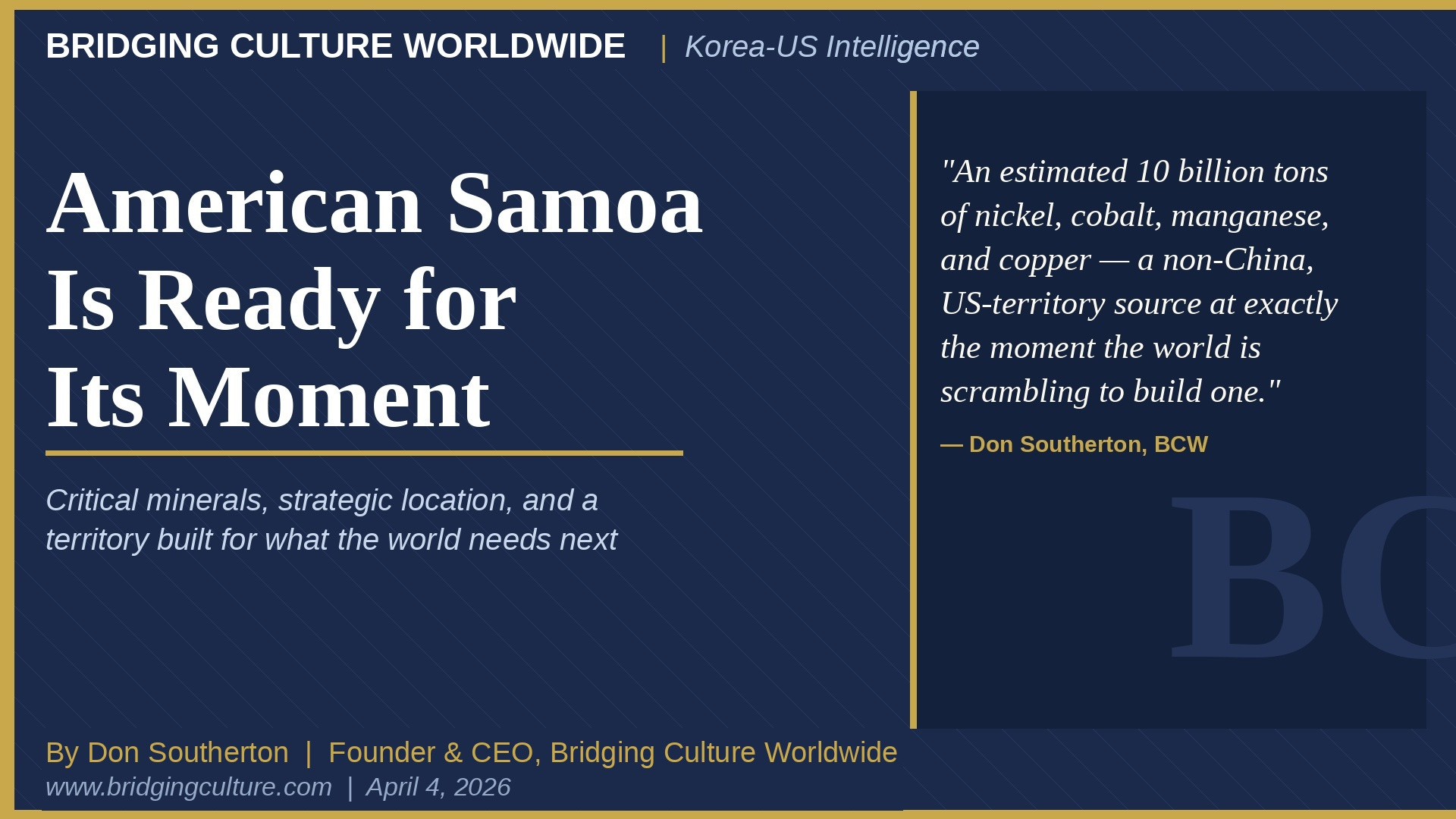









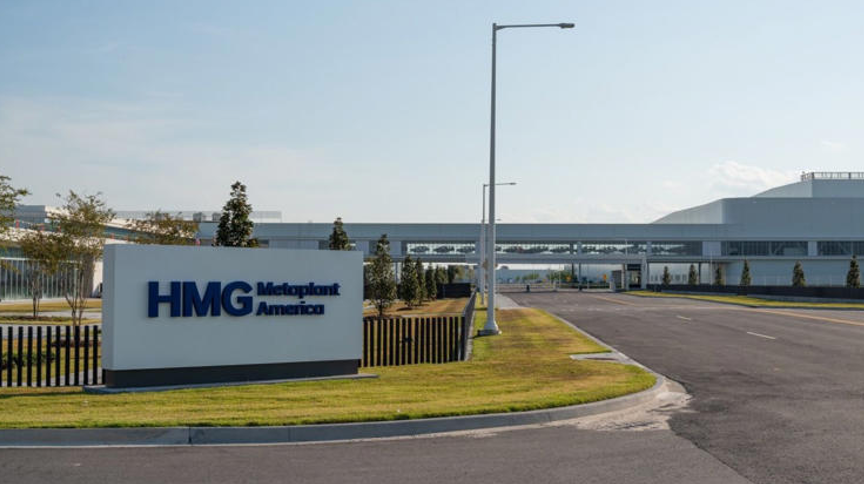












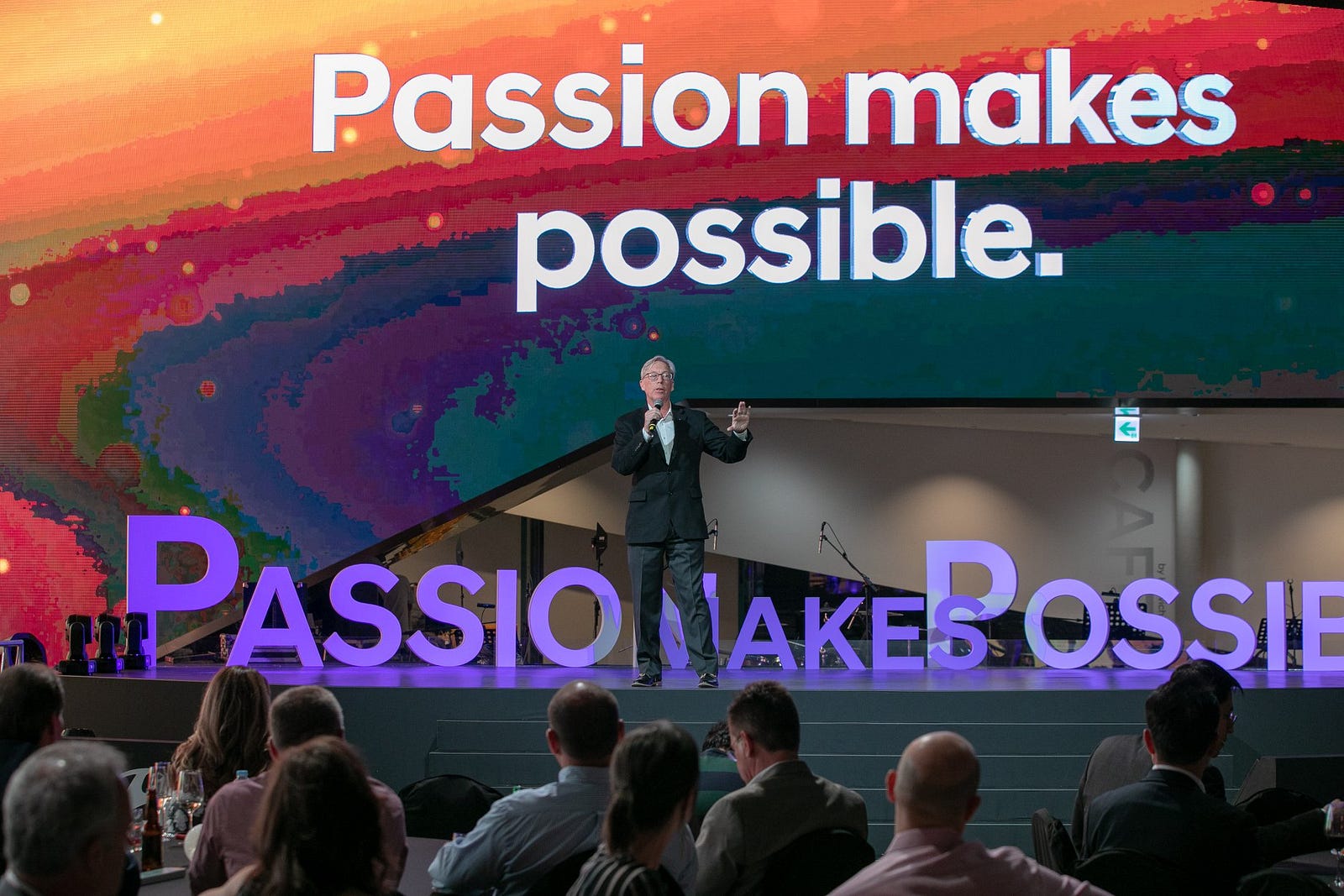








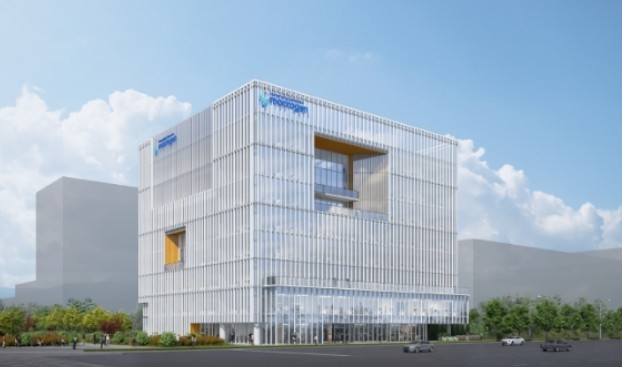


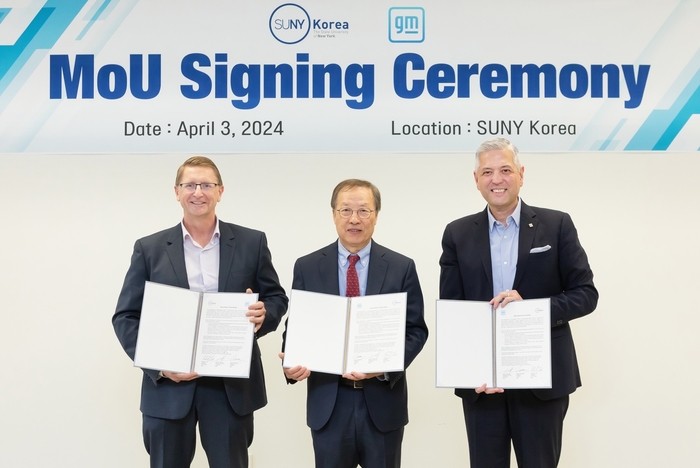

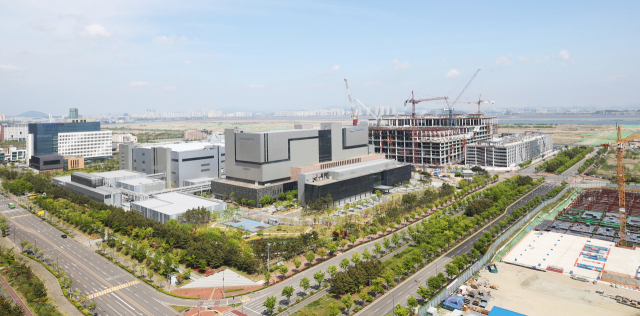

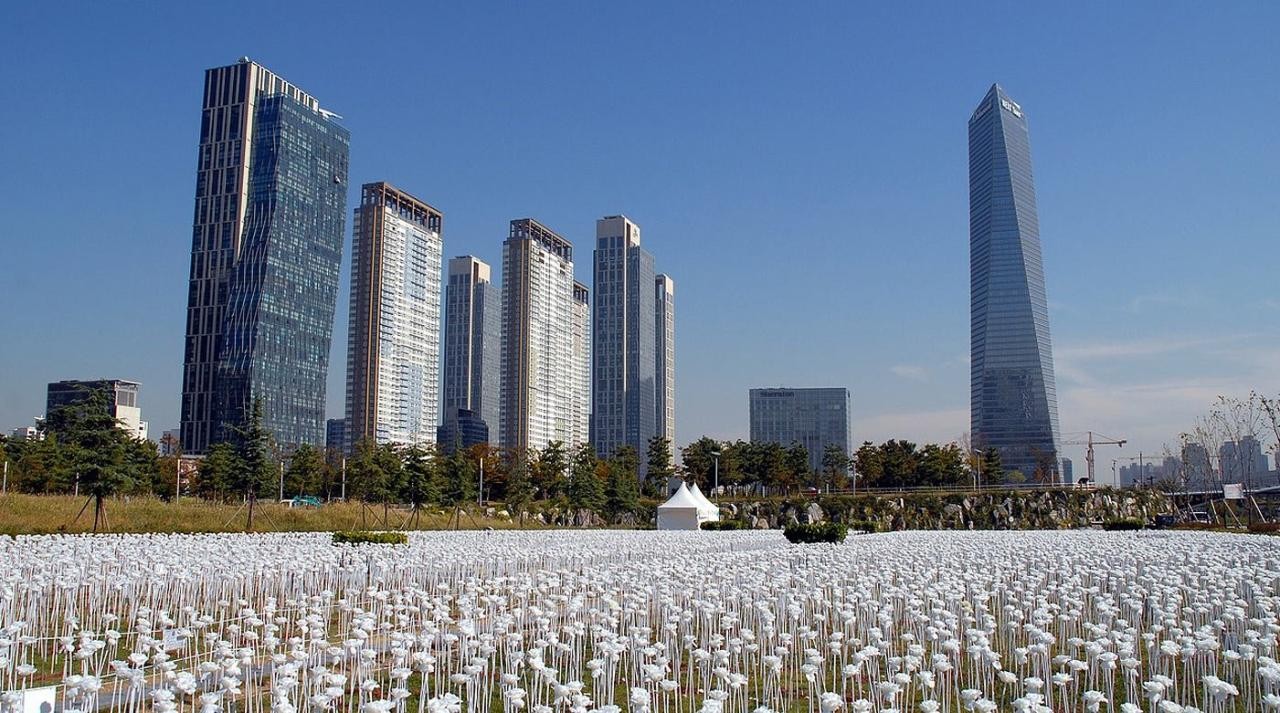

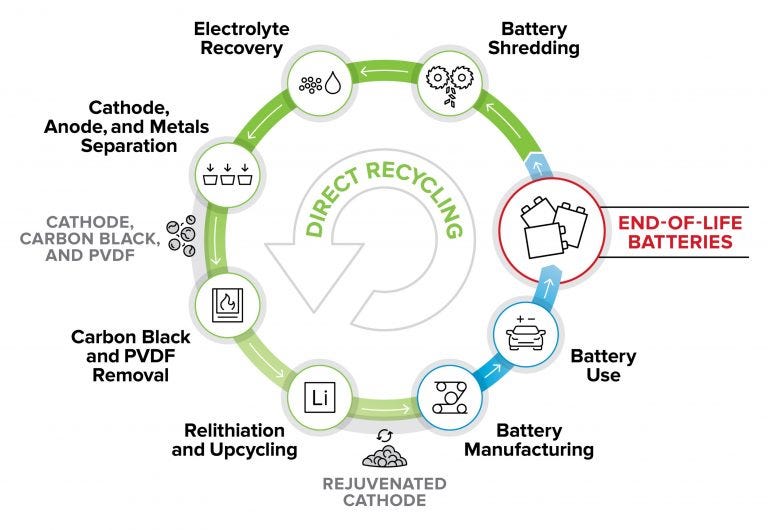
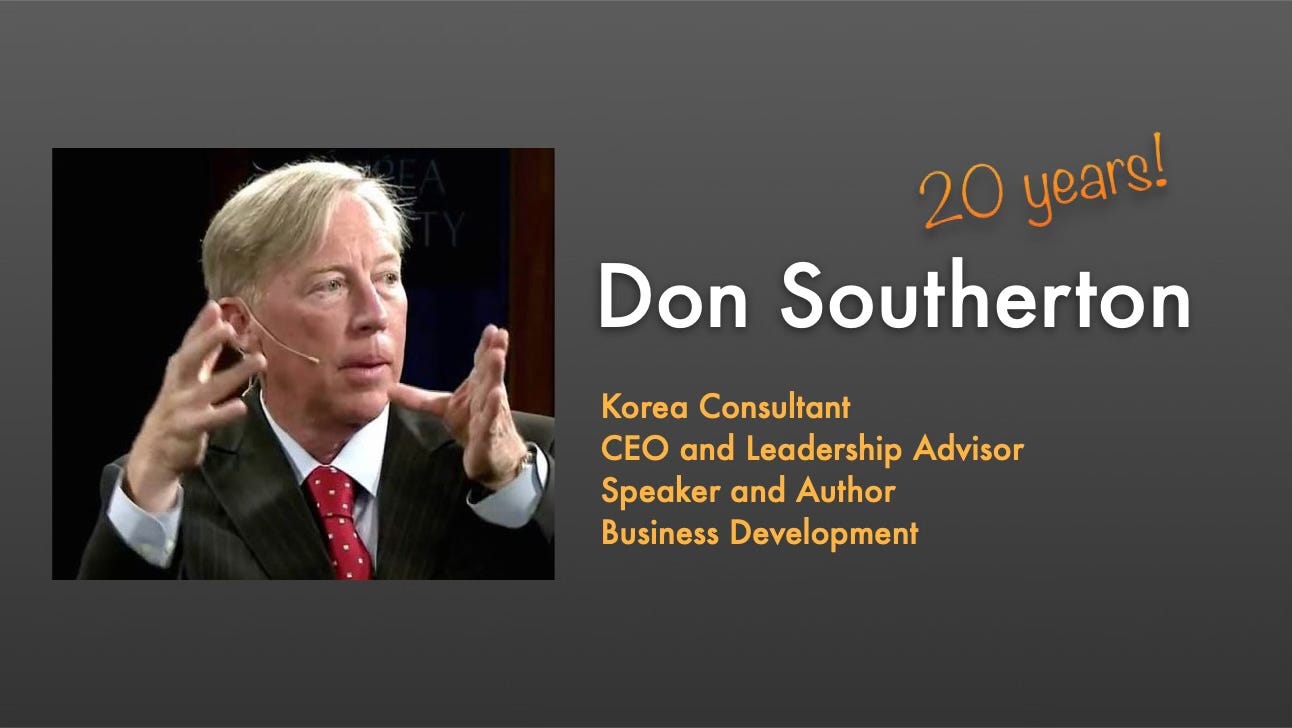





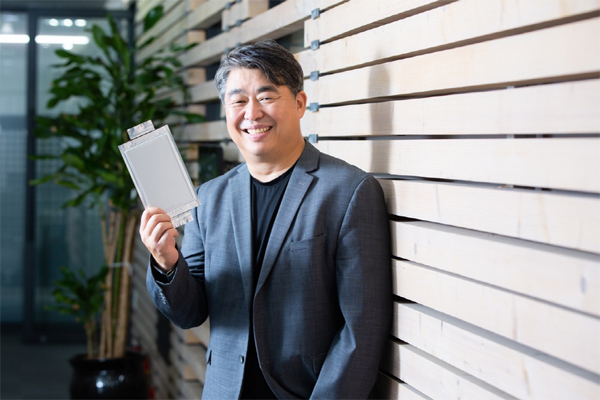
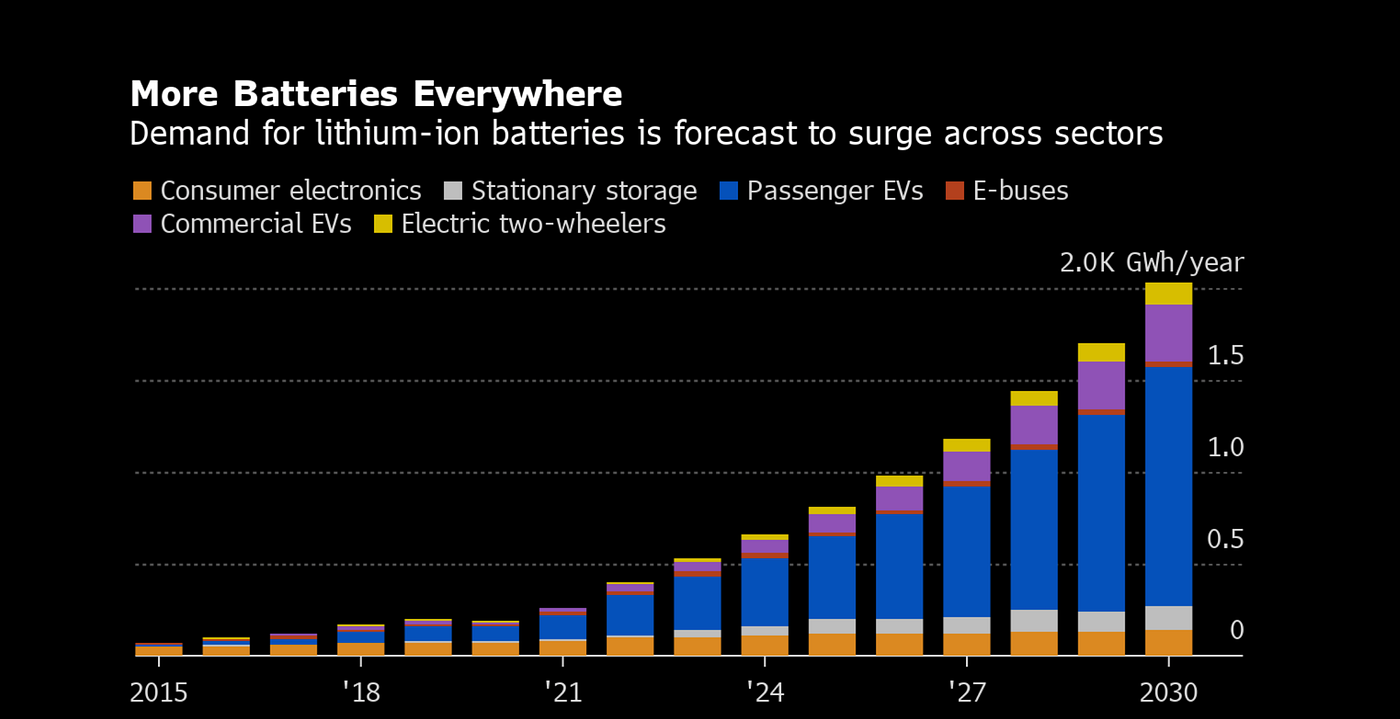
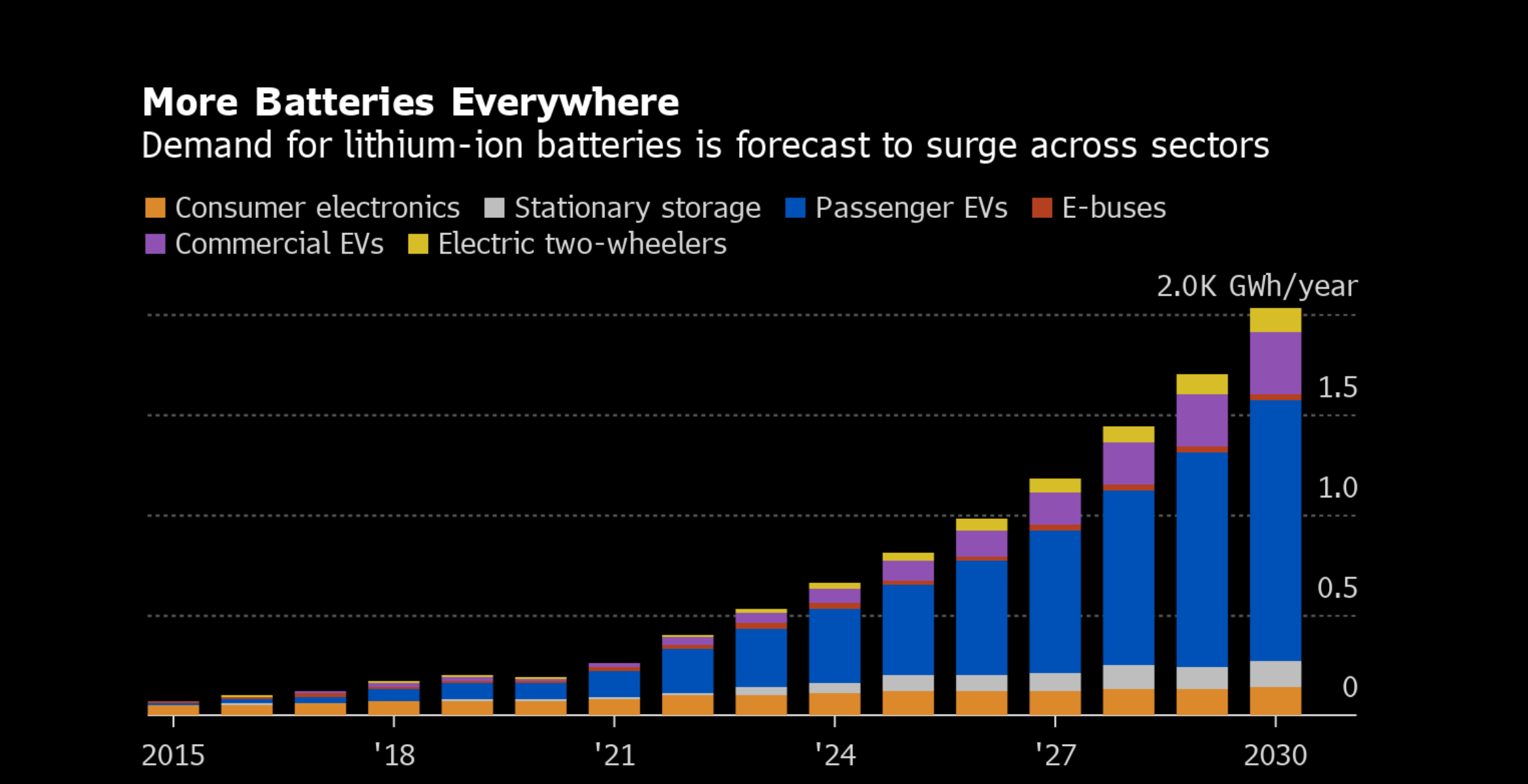








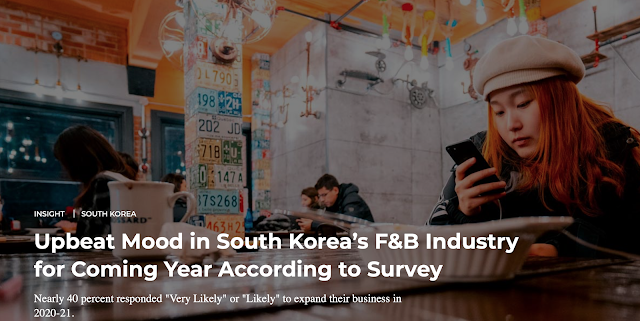



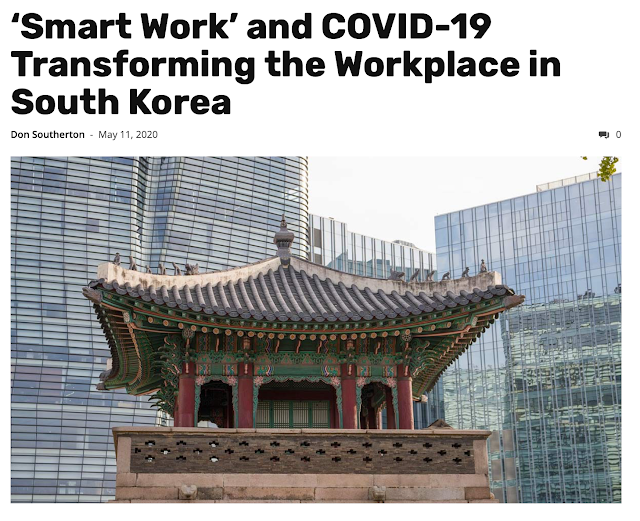


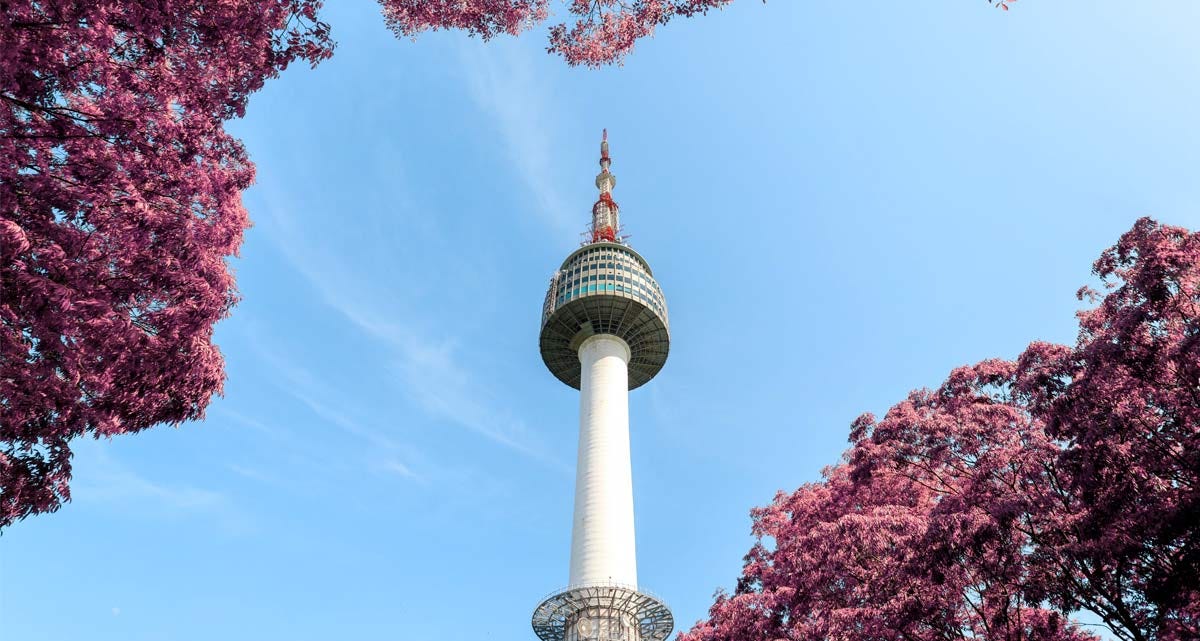


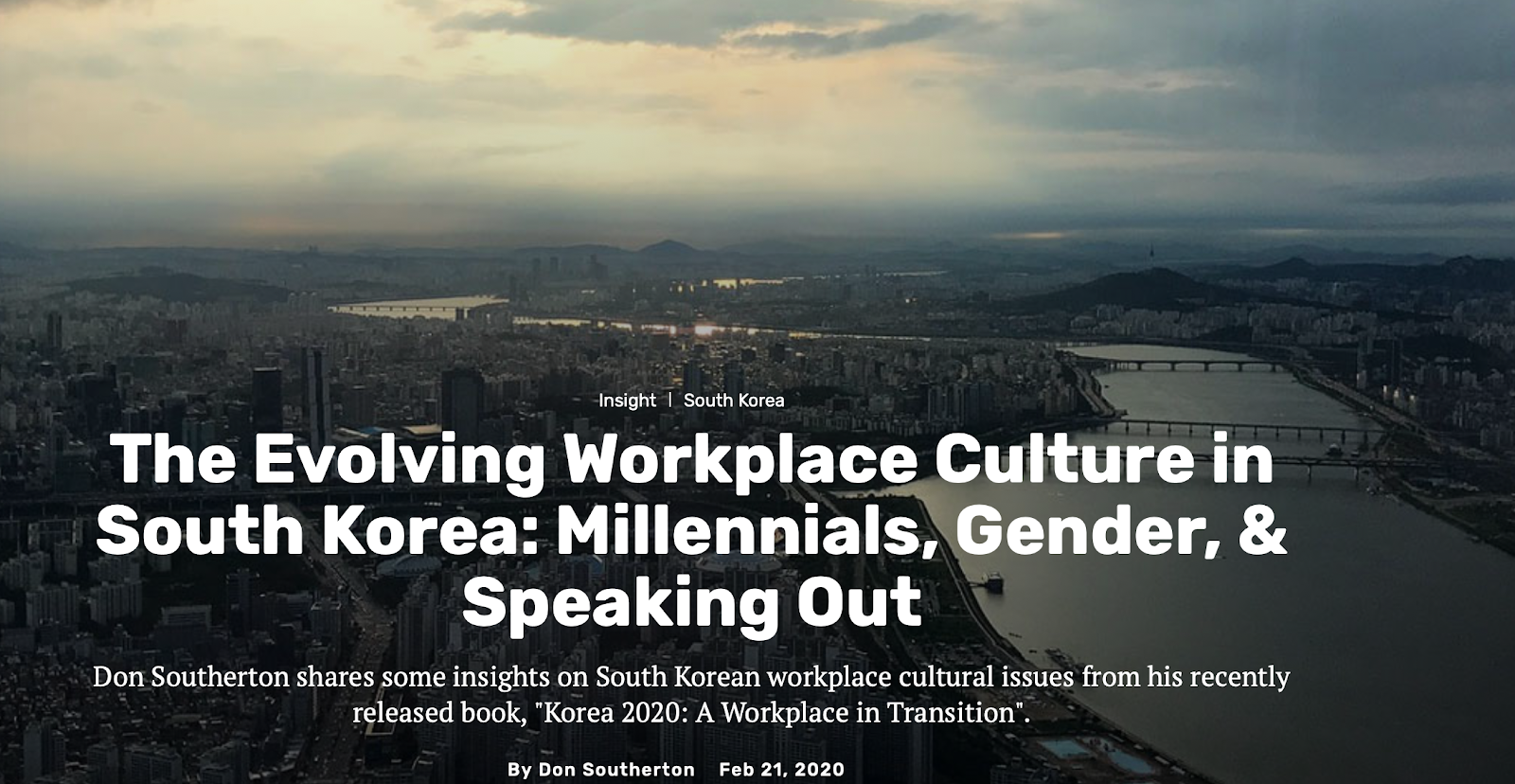



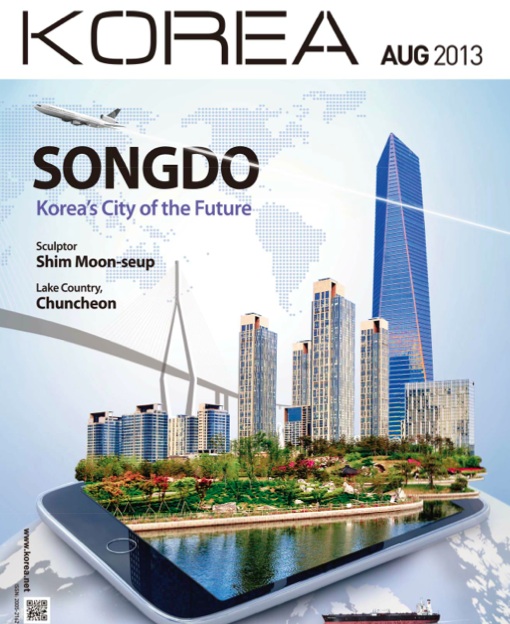

South Korea seeks US visa rule changes after mass arrests spark outrage
I am quoted and contributed to the article …. Don Southerton
KIM JAEWON and PAK YIU
September 11, 2025 12:16 JST
Updated on September 11, 2025 14:47 JST
SEOUL/NEW YORK — Moon Young-ju could not contain his anger when he heard the news that over 300 South Koreans had been detained after U.S. immigration authorities last week raided a joint Hyundai Motor-LG Energy Solution battery factory under construction in the state of Georgia.
The 54-year-old former merchant protested in front of the U.S. Embassy in downtown Seoul on Wednesday with a yellow banner reading: “Yankees go home. Get out america army.”
“I came here because I was so upset,” Moon said after lighting a cigarette. “We invested as they demanded. We built factories as they demanded. It’s our blood, sweat and tears.”
Moon is not alone. South Korea’s government faces widespread public outcry and calls to stand up to the U.S. over the treatment of its arrested citizens, some of whom were seen in footage being led away restrained by body chains, although the two sides have since agreed to send the detained workers home this week on a charter flight.
The raid came as U.S. President Donald Trump pushes ahead with a crackdown on illegal immigration even as he demands that countries like South Korea make massive investments to build state-of-the art production facilities in America — part of his policy of “reshoring” manufacturing and reducing trade deficits.
South Korean President Lee Jae Myung said at a news conference on Thursday that the raid would likely make some companies from his country “hesitant” to carry out more large investments in the U.S. “Companies are quite taken aback. The fact is that they sent these workers to the U.S. not for the long term, but to set up machinery in a factory because there aren’t enough workers in the U.S. who know how to do that,” he said.
The raid and the accompanying national indignation have pushed Seoul to demand that Washington loosen visa rules for workers from abroad amid confusion about the status of the detained.
Lee expressed hope that authorities in the two nations could negotiate changes to visa regulations that would make it easier for South Korean firms to send workers to the U.S. for limited periods.
The government dispatched Foreign Minister Cho Hyun to Washington. The ministry said that he had a meeting with U.S. counterpart Marco Rubio on Wednesday, asking the secretary of state to set up a new visa category for South Korean workers.
He also told Rubio that South Koreans were “hurt and shocked” by the arrests of their compatriots, who came to the U.S. to contribute to the revival of the country’s manufacturing industry.
After arriving on Tuesday, he hosted a meeting with executives from eight South Korean companies operating businesses in the U.S., including LG and Hyundai Motor.
Company executives asked the minister to bring up with the U.S. the potential launch of a separate visa under the E-4 category — which currently covers certain classes of special immigrants — for South Korean professionals, as well as increasing approvals of E-2 visas — which cover professionals with advanced degrees and persons of exceptional ability — for South Korean companies investing in America. They also asked the U.S. government to clarify guidelines for B-1 visas, a short-term business visa that employees of South Korean companies get when they make work trips to the country. Many of the detained South Korean workers held such a visa.
Cho told the businesspeople that their concerns had already been conveyed to Washington and pledged to continue making efforts to ensure the smooth operation of South Korean companies investing in the U.S.
Moon Young-ju stands next to his protest banner near the U.S. Embassy in Seoul on Sept. 10. (Photo by Kim Jaewon)
South Korean companies complain that there is only a limited quota of B-1 visas, meaning they cannot get them when they need them.
“Sometimes we need to send our employees immediately,” said an industry source familiar with the issue, who also requested anonymity. “It’s not easy to set up a plan a year in advance. Many Korean companies raised this issue before. I’m very sorry that [the raid] happened before the problem was resolved.”
The incident has rattled Asian investors who have set up factories in the U.S. and highlights some of the labor difficulties foreign companies face. Companies are now wondering how they can set up and build manufacturing in the U.S. if they don’t have support from the authorities, said Don Southerton, a business consultant who works with South Korean companies such as Hyundai.
He anticipates some projects will slow down, and this will send ripples through America’s battery market. Southerton says the incident underscores the urgency of visa revisions that would allow expat engineers to work more effectively and streamline projects that will foster American manufacturing. Currently, he said, the visa system “allows them to teach how to use a screwdriver but doesn’t actually allow them to use a screwdriver. How can you show them how it’s done without actually demonstrating?”
On Monday, South Korea’s foreign minister said that resolving the visa issue is a precondition for the country to deliver the$150 billion in investments promised during a summit between the two allies last month.
“At the previous summit, there was a request for … [South] Korea’s large-scale investment, and we also responded to it. To achieve it, I would stress to the U.S. side that this visa issue is a precondition,” Cho told lawmakers before his trip to the U.S. capital.
In a post on Truth Social on Sunday, Trump said foreign companies were encouraged to legally bring “your very smart people, with great technical talent, to build World Class products.” He added, “We will make it quickly and legally possible for you to do so. What we ask in return is that you hire and train American Workers.”
Analysts said that South Korea needs to use its investment package as leverage to pressure the Trump administration into reaching an agreement on the issue.
“Because there are already pledges of large-scale investment, it should be possible to solve the visa quota issue within that framework,” said Jung Jae-hwan, a professor of international politics and economy at Inha University in Incheon.
“Of course the U.S. could impose new conditions, such as a certain portion of local hires, but at least they should be able to mitigate the recurrence of this kind of detention case.”
Additional reporting by Steven Borowiec.
South Korea seeks US visa rule changes after mass arrests spark outrage