
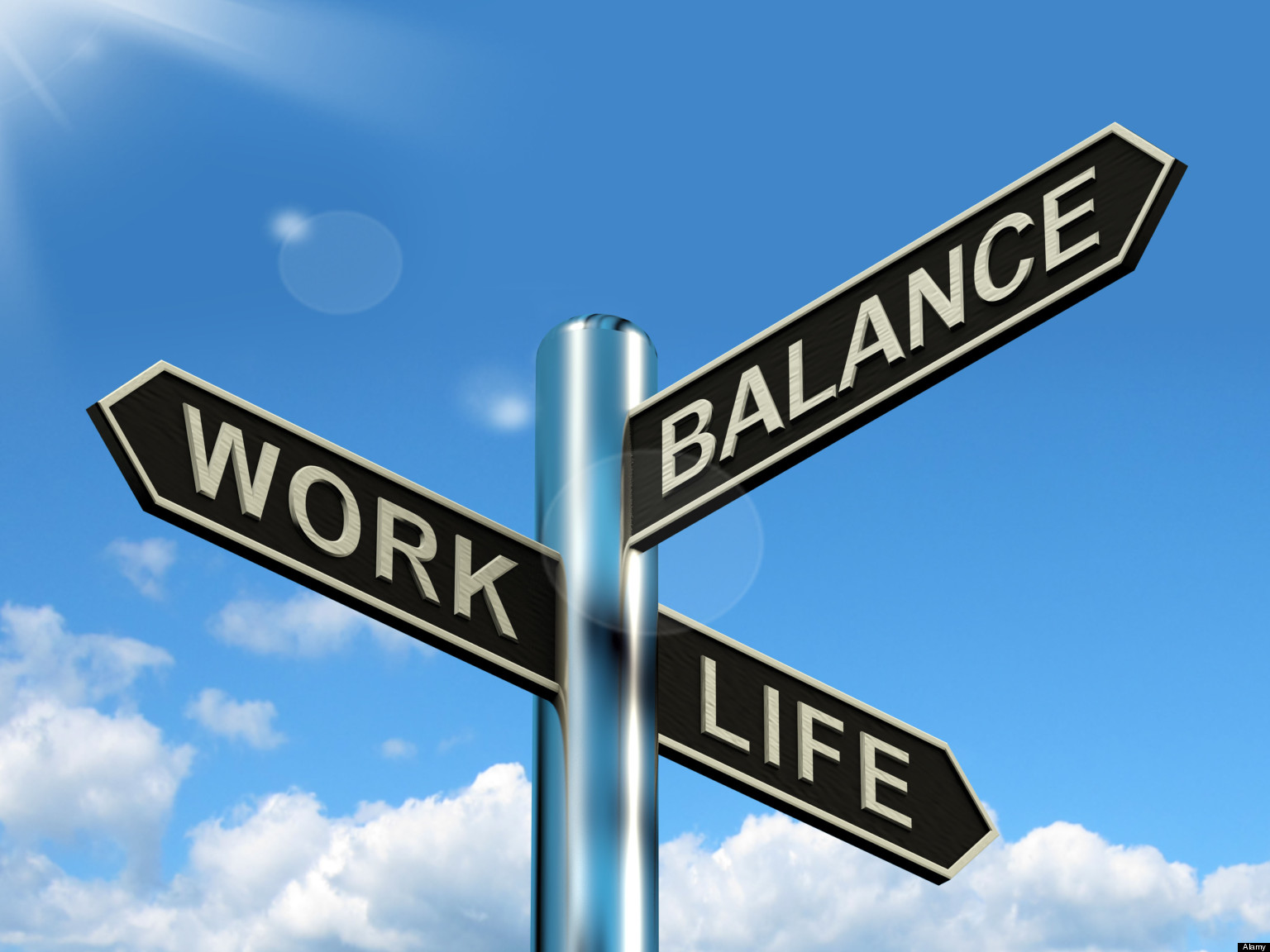
Korea “…a society where overtime work is seen as a symbol of diligence.”
A frequently surfacing concern among westerners in my work supporting Korean global subsidiaries is the Korean expatriates assigned to local operations have little or no Life-Work Balance.
In particular, expats (commonly referred as Executive Coordinators or Executive Advisors) work long hours often extending into the late evening. Westerners are sympathetic and respect this dedication, but question working such long hours and see the toll it takes their Korean colleagues.
Working lengthy hours has been a trait of the Korean workplace, in fact, it goes hand and hand with Korean students who in their middle and high school years can devote up to 20 hours a day on school-related work.
Frankly although Koreans endure long days I feel those assigned overseas tack on even more hours… the assignment demanding as well as time differentials requiring correspondence into the evening. Adding to the situation, whereas in Korea they work as a team—sharing the long hours with co-workers, many expats are the sole Korean in the department – with them remaining in the office into the evening when all others have left. In many cases, expat feel they carry considerable burden for the performance of their department…
In a recent Korea Herald article, it notes:
For 26-year-old office worker Lee Hye-ri, it seems like a far-fetched dream to exercise and enjoy her hobbies after work every day. It is quite difficult to imagine life outside her workplace as she works as late as 11 p.m.
The newcomer, who was employed by a state-run company last year, often works overtime and sometimes works at home on weekends. She dozes off on the bus while commuting and sleeps a lot on weekends to fight a chronic lack of sleep.
“It has become a habit to work overtime. I might be able to finish my job during working hours if I focus, but I just think to myself, ‘Let’s just work overtime,’” she told The Korea Herald. “For workers, going back home in time is a special occasion and working late is part of everyday routine.”
Lee is one of many Korean workers who suffer from chronically long working hours in a society where overtime work is seen as a symbol of diligence.
The article goes on to point out the social ramifications of long hours including health and family issue. Some in government have tried to address with introducing new labor laws to limit long hours….
All said, as the Western workplace recognizes and embraces the need for Life Work Balance it has become a frequent topic in Korea and one the new generation is beginning to consider when looking at their future and employment.
While we are looking at the Korean workplace, I’d like to take this opportunity to share an update on my Korean Global Business Mastery Program.
Membership-based, the program offers elite access to strategies and insights I’ve developed over decades of research coupled with hands on experience.
The paid service is part mentoring and part providing immediate solutions into the challenges into Korean facing workplace and global business for C-level leadership as well as teams. The main focus is problem solving and support.
Register today for a free introductory consultation at:http://unbouncepages.com/bcw-mastery/
For direct inquiries on enrollment and fees, please contact me at: questions@koreabcw.com
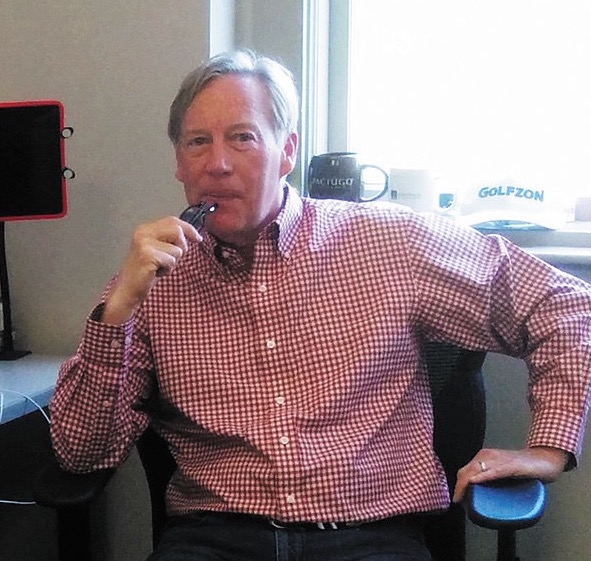
Everything Korea: May 9 Episode, The “other side” of Don Southerton
Korea-facing business consultant, strategist, author, Hyundai Whisperer—and martial artist.
My public image is a trusted Korea-facing global business leader… I’ve also been an avid practitioner and Master Instructor of traditional Korean martial arts– a Mind and Body journey I have enjoyed for the past 44 years.
During the 1970s, 1980s, and 1990s, I trained extensively in Moo Duk Kwan Tang Soo Do (now also referred to as Soo Bahk Do), much of this under the Korean system’s Founder and son, the current Grand Master.
Highlights of these years included serving as Chief Instructor/ Coach for the United States Military Academy at West Point. Before shifting my interest to academia, writing, and global consultancy my martial arts schools, Southerton Karate, were nationally recognized leaders in the industry and among the largest in America. My years as a competitor in the late 1970s were recognized in 2013 by the Official Taekwondo Hall of Fame.
As of late, I also serve as an advisor to close friend and long time colleague Stephen Oliver’s elite international martial arts business consultancy.
For my daily practice, in addition to my repertoire of over 35 traditional hyung—over the past 16 years I have added a number of complex forms of Chinese and Korean origin. These Hyung are sets of combative movements martial artists’ practice to hone their bodies and minds.
In closing, I have always seen martial arts as not only a way of staying in shape through a wide range of stretching, kicking, and hand movements, but also a demanding mental and spiritual regiment.
More so, I attribute my success in business to the discipline, self-control, patience, and focus sharpened over a lifetime in the martial arts—not to mention bringing to my professional work a deep cultural dimension, which is an intricate part of the traditional Korea arts.
BTW You may find this interested, I have a dedicated Facebook Page with some my martial arts videos and photos—past and present. See Some Cool Videos